
We use cookies to ensure that we provide you with the best experience on our website. By clicking “Accept” you agree to our use of cookies and continue browsing on this site.
Wastewater treatment plants, landfills, fertilizer units, food processing facilities, and paper mills all share a challenge that most environmental programs overlook: odour. Gases like hydrogen sulfide (H2S), ammonia (NH3), mercaptans, and VOCs drift beyond the fenceline, drawing community complaints, regulatory notices, and in some cases legal actions, while remaining invisible to conventional oversight. An industrial odour monitoring system makes these emissions measurable. By tracking odourful gas concentrations continuously alongside wind and weather data, facility teams gain a live picture of what is being released, where it is heading, and when intervention is needed.
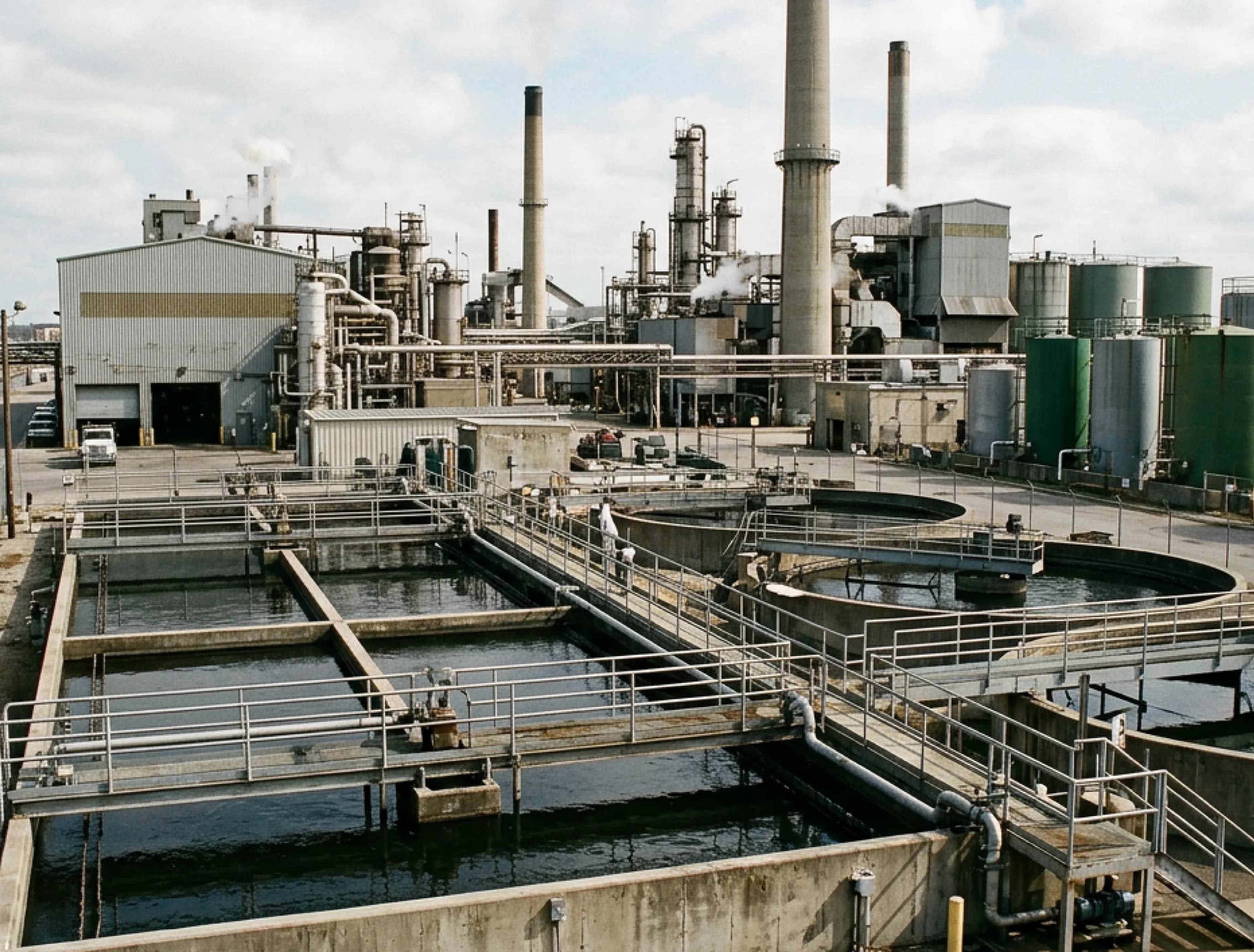
Fenceline Odour Monitoring & Complaint Management
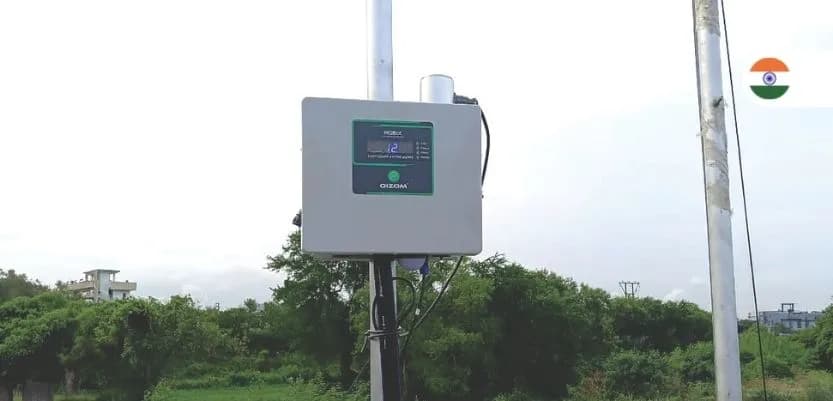
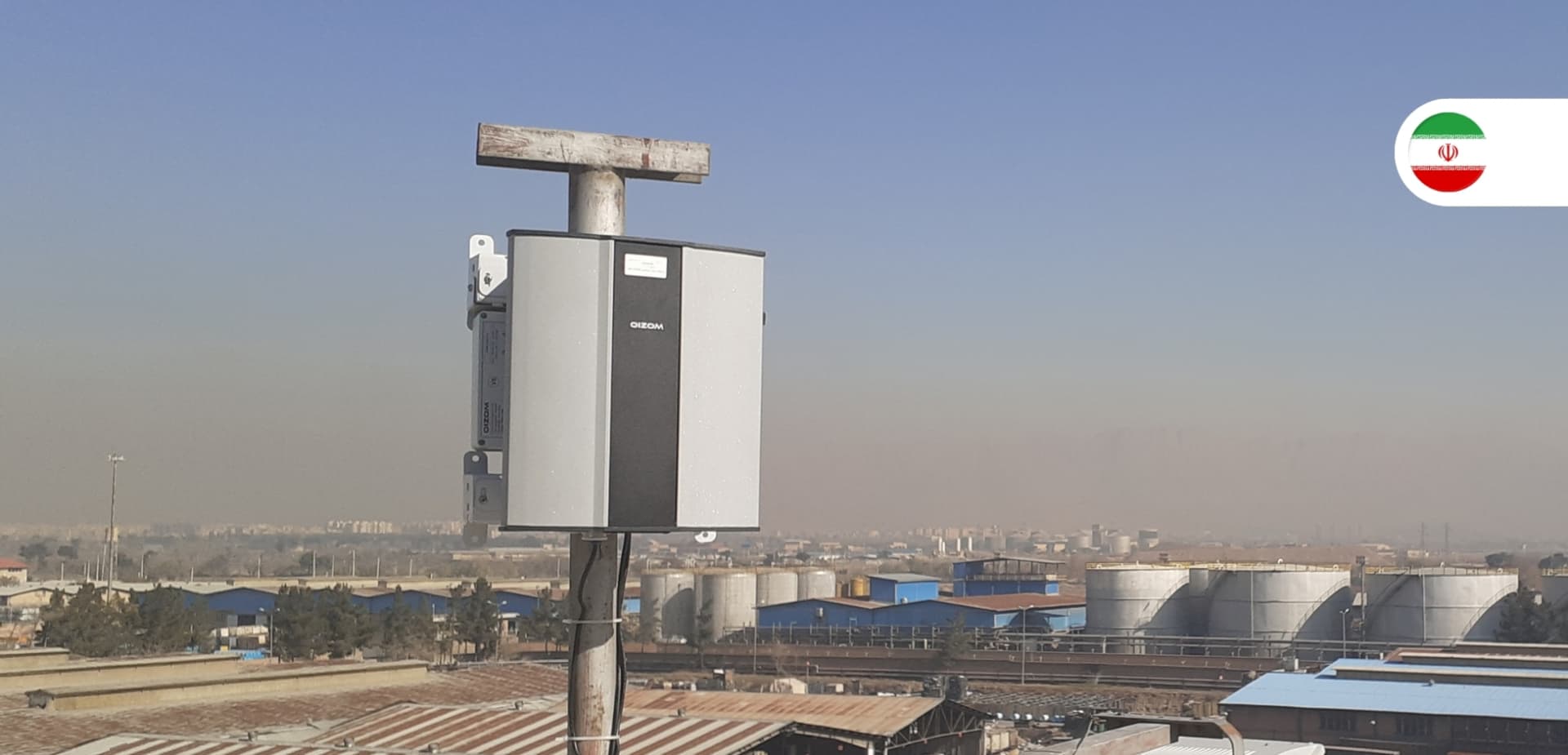
Community odour complaints are difficult to resolve without objective measurement, and unverified complaints frequently escalate into regulatory disputes. Odosense, Oizom's odour monitoring solution, records gas concentrations at the fenceline continuously, allowing operators to retrieve exact readings for any date, time, and location. This enables facilities to distinguish their emissions from neighbouring sources, resolve unfounded complaints efficiently, and present regulators with a documented monitoring history.
Continuous Gas Measurement at the Facility Boundary
Time-stamped Records for Complaint Verification
Documentation Suitable for Regulatory Review

Odour Dispersion Insights with Weather Integration
Identical emission levels can produce significantly different off-site impact depending on prevailing wind conditions. Odosense pairs gas readings with on-site meteorological measurement, identifying which sources generate off-site impact under which conditions. Operators can schedule odour-intensive activities around unfavourable wind patterns, prioritize mitigation measures such as scrubbers and covers where they deliver the greatest reduction, and take corrective action while concentrations remain within the boundary.
Wind Speed & Direction Paired with Gas Measurement
Insights for Odour Dispersion and Modelling
Intervention Before Odour Crosses the Facility Boundary
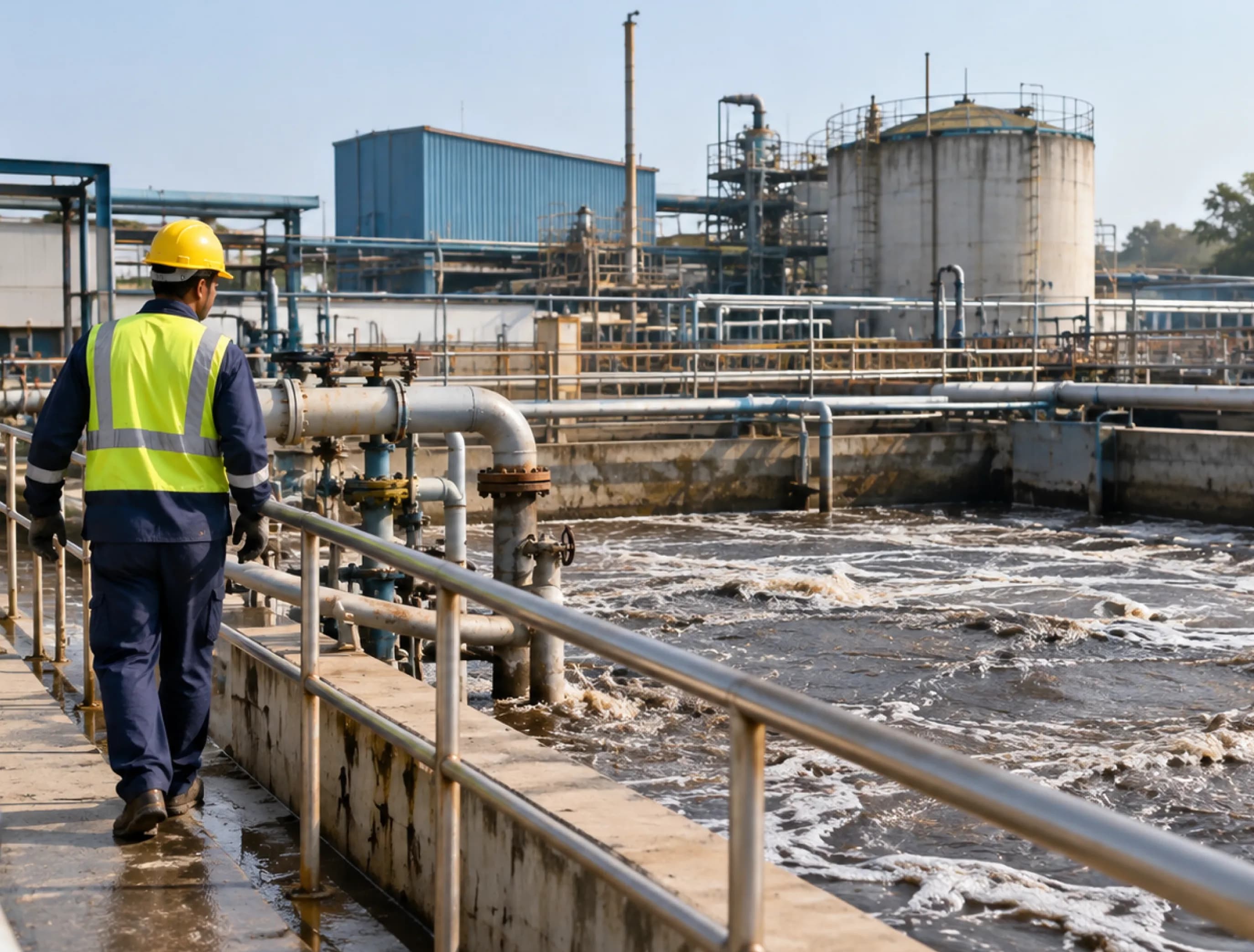
Worker Exposure to Toxic & Odourful Gases
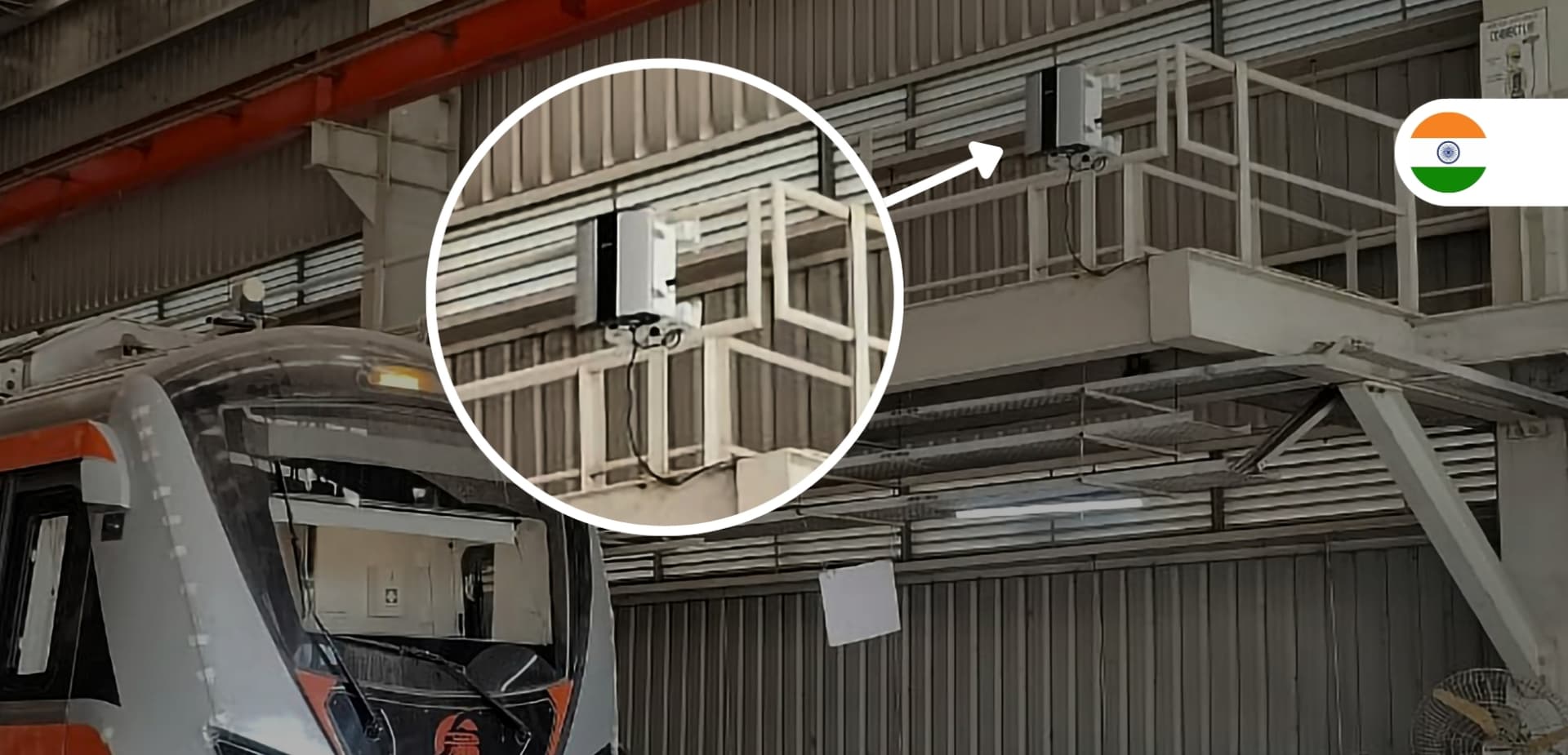
Odour intensity and toxicity do not correlate reliably; H2S impairs olfactory perception at elevated concentrations, precisely when the hazard is greatest. Continuous monitoring across treatment basins, sludge handling areas, and enclosed processing zones eliminates this detection gap. When concentrations approach occupational exposure limits, safety teams receive immediate alerts, enabling timely ventilation, evacuation, or source isolation.
H2S, NH3 & VOC Monitoring in Operational Zones
Instant Alerts on Rising Concentrations
Reliable Detection Where Olfactory Perception Fails


A single monitoring station measures multiple odourful and toxic gases simultaneously, covering a facility's complete odour profile without separate instruments per parameter.

Instant notifications reach teams when concentrations approach regulatory or occupational limits, with API-based triggers activating mitigation systems without manual intervention.

Measurements paired with wind data identify which operational sources drive off-site impact under which conditions, directing mitigation investment where it measurably reduces impact.