
We use cookies to ensure that we provide you with the best experience on our website. By clicking “Accept” you agree to our use of cookies and continue browsing on this site.

Bollaram, Hyderabad, Telangana, India

July 2024

Energy & Power Plants

Photon Solar Plant

AQBot

PM, UV, Light/ Solar Radiation
Photon Solar Plant, located in Bollaram, Hyderabad, Telangana, is a solar energy generation facility dedicated to renewable energy production. The plant has generated approximately 300 million kWh of clean energy, making reliable environmental and solar radiation monitoring central to understanding and optimizing plant performance.
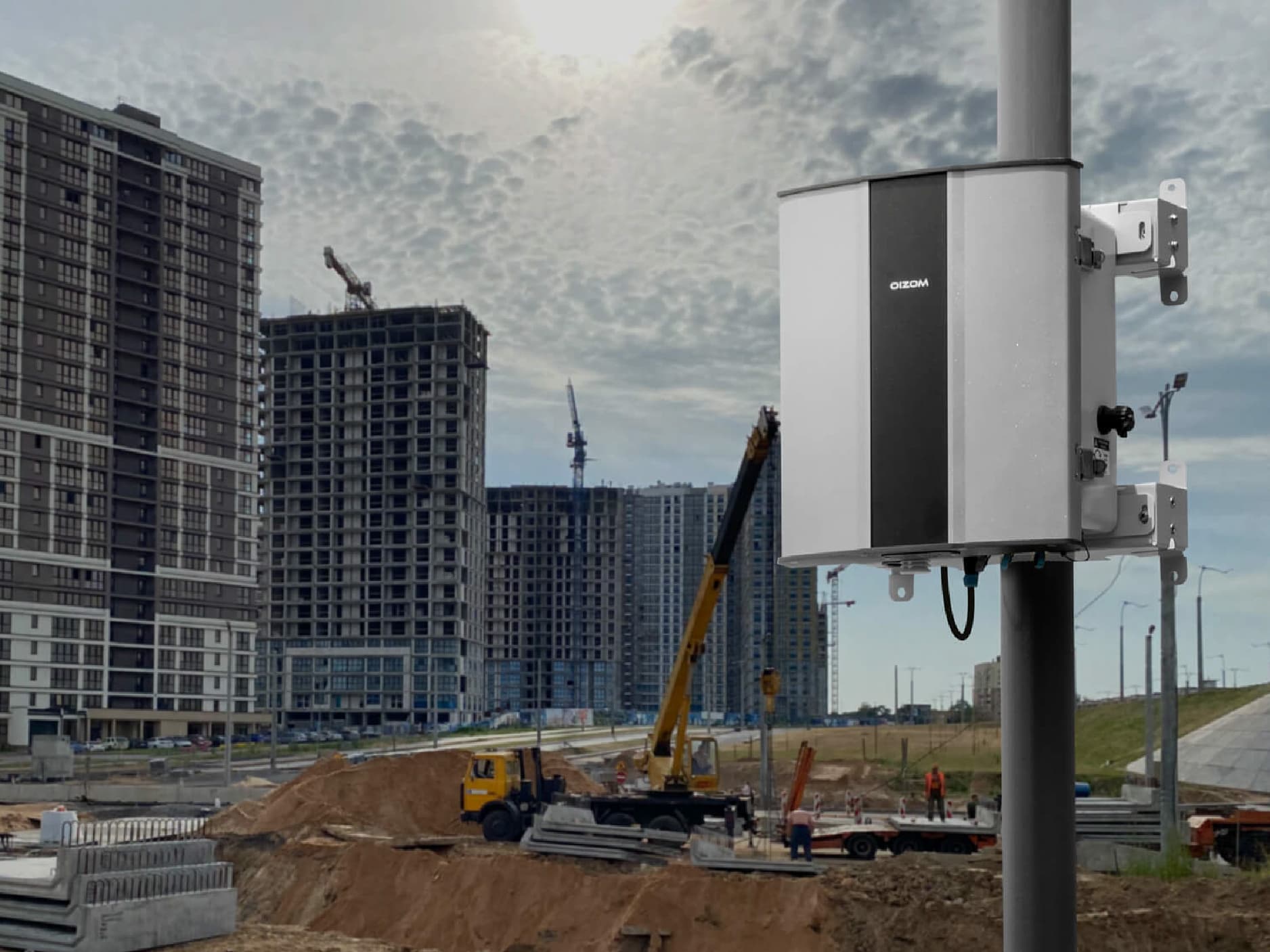
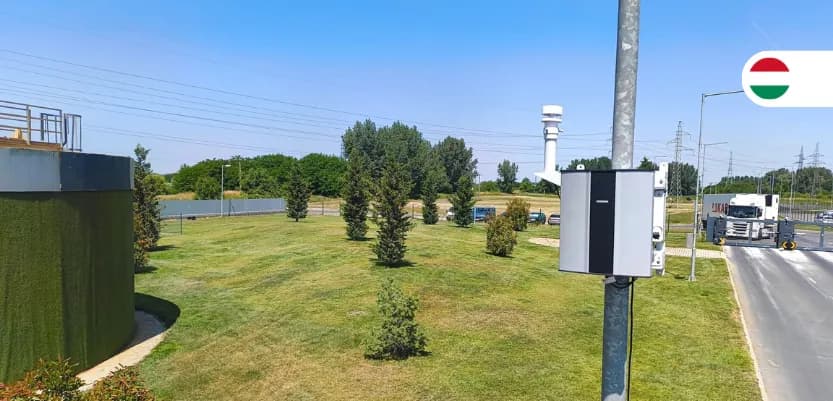
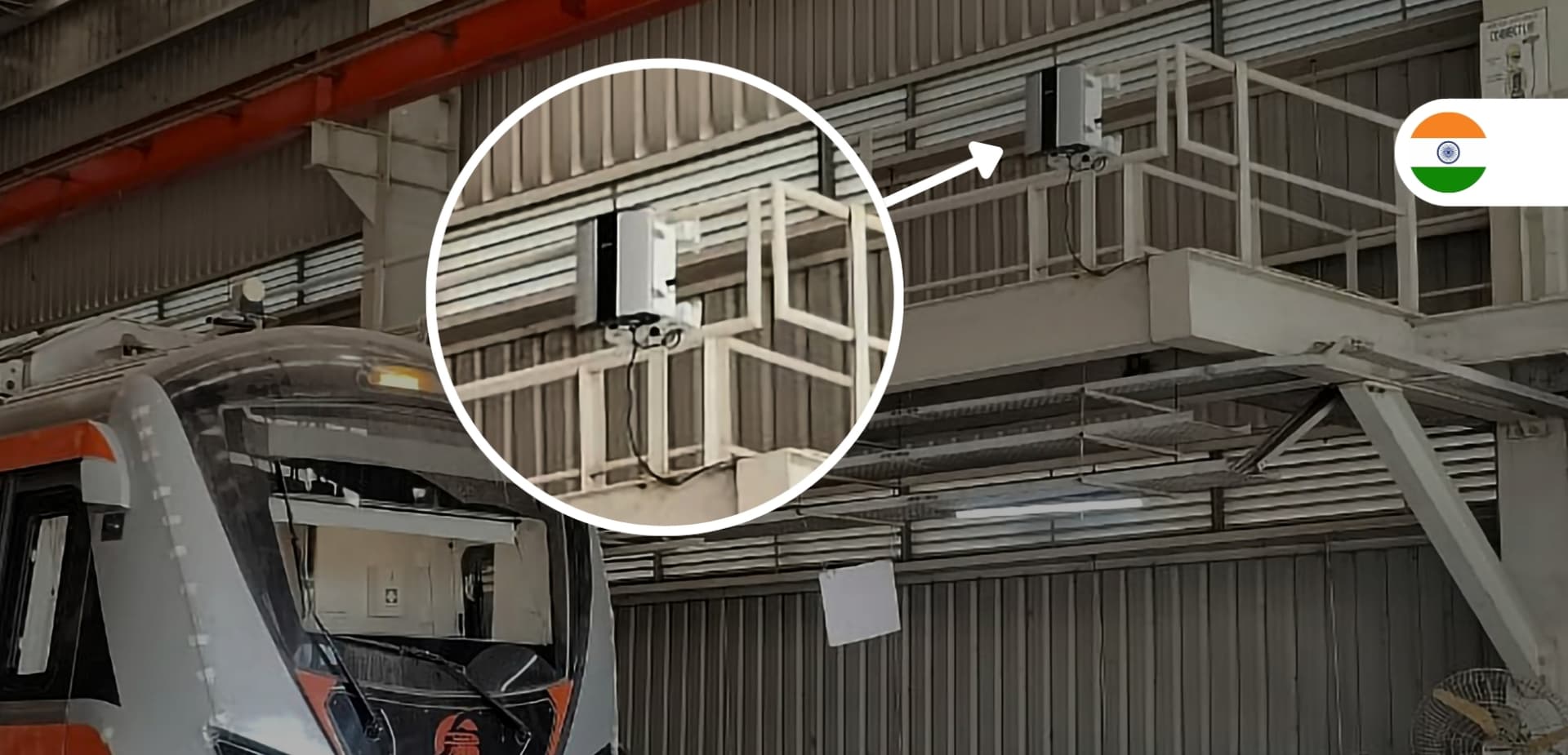
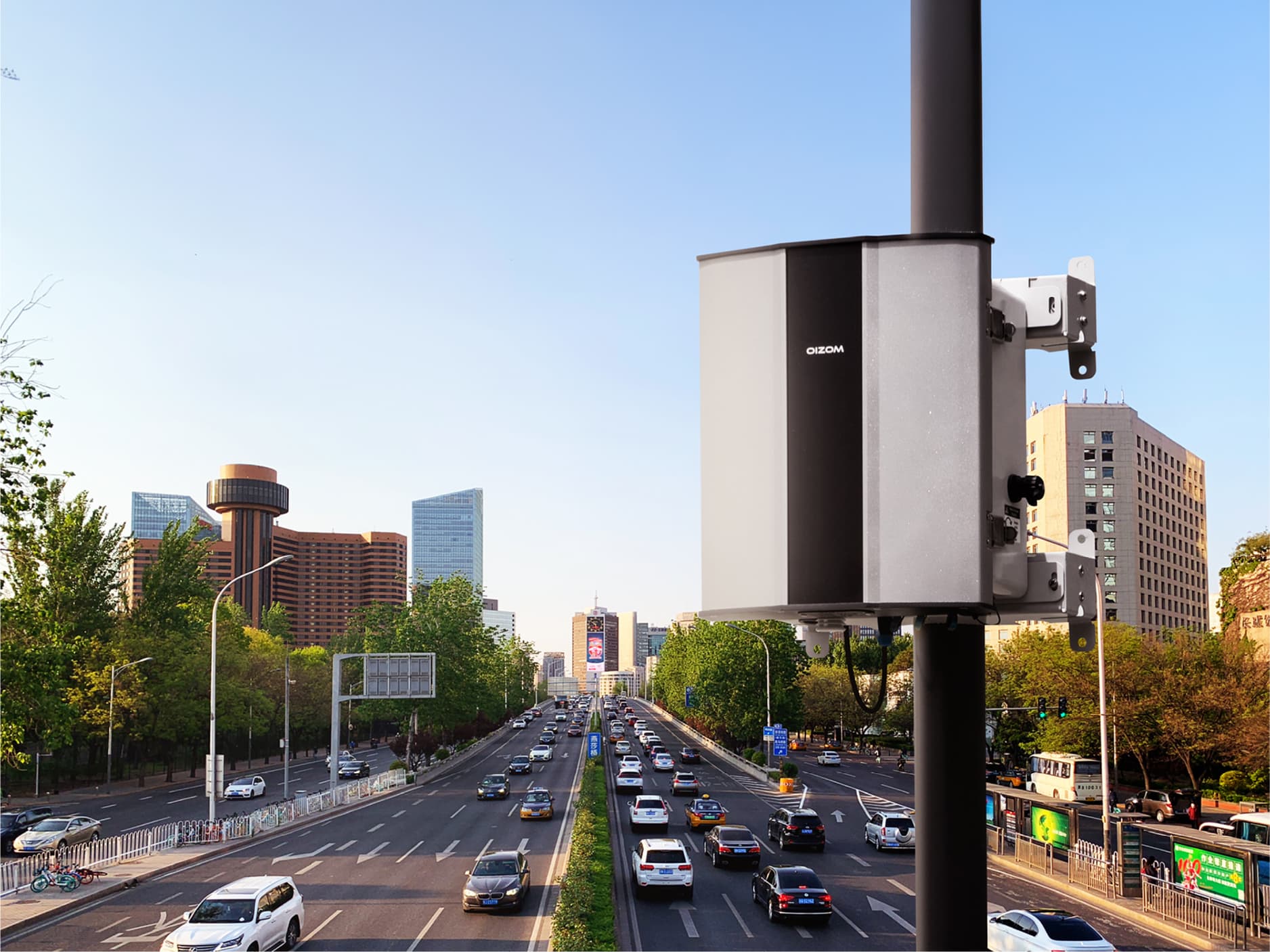
To strengthen its environmental monitoring and solar-energy-related analysis, Photon Solar deployed two Oizom AQBot PM monitoring devices equipped with PM, UV, and light/solar radiation sensing capabilities, integrated directly with the plant's centralized PLC-based communication system.
02 | 06 | 24/7 |
Note: 06 parameters denote that the PM range covers PM1, PM2.5, PM10, and PM100, along with external UV and radiation sensor modules.
At a solar power plant, the surrounding environment directly shapes generation potential. The solar resource available at the site and the dust that settles on photovoltaic module surfaces both influence how much sunlight actually reaches the cells.
Photon Solar uses a Class-B solar radiation sensor to measure light and solar radiation. However, the sensor had no integrated data logger, meaning solar radiation data could not be continuously recorded, analyzed, or communicated to a central system. Measurements existed in the moment, but not as usable, historical, connected data.
Photon required a solution that could:
Oizom’s innovative technology has redefined environmental monitoring by providing highly accurate and actionable data on various atmospheric parameters. Our offerings include weather stations, pollution tracking, and noise monitoring solutions. With seamless integration into smart city infrastructure, Oizom’s tools enhance decision-making, compliance monitoring, and community engagement towards a greener planet.

Photon Solar needed more than a replacement sensor; it needed a connected monitoring system that could measure multiple environmental parameters and feed them into the plant's existing automation architecture.
Oizom's AQBot met these requirements through:
Two Oizom AQBot devices are now deployed at the Photon Solar Plant, both operating on AC power supply and integrated into the plant's centralized communication system through the existing PLC architecture.
The deployed configuration gives Photon Solar continuous visibility into the environmental conditions surrounding its solar panels:
| Category | Parameters Measured |
| Particulates | PM (dust and particulate conditions around the plant) |
| Radiation | UV Index |
| Solar Resource | Light / Solar Radiation |
These parameters are evaluated together to understand the environment around the PV modules. Elevated PM levels indicate increased airborne particulate loading, and dust deposition on module surfaces can reduce the sunlight reaching the photovoltaic cells, potentially affecting energy generation. PM monitoring therefore serves as a useful environmental indicator for potential soiling conditions, while solar radiation and light measurements characterize the available solar resource at the site.
Through the PLC integration, the collected data flows into the site's centralized monitoring and analysis framework, supporting an analysis chain of:
.png)
The two AQBot devices provide Photon Solar with a centralized environmental monitoring solution, combining PM, UV, and light/solar-condition monitoring in a single platform connected to the plant's automation system.
Better Visibility Under High-Light Conditions
Continuous, Connected Solar and Environmental Data
Centralized PLC Integration
Environmental Insight into Soiling Risk
By replacing a standalone Class-B sensor with two connected, multi-parameter AQBot devices, Photon Solar has moved from isolated light readings to a centralized environmental intelligence layer for its plant. Solar radiation, UV, and dust conditions are now continuously measured, digitally recorded, and fed through the PLC architecture into the site's monitoring framework, giving the team a more comprehensive understanding of the environmental factors that may influence solar energy generation at one of Hyderabad's renewable energy facilities.





.svg)