
We use cookies to ensure that we provide you with the best experience on our website. By clicking “Accept” you agree to our use of cookies and continue browsing on this site.

Gyaspur Metro Train Depot, Ahmedabad, Gujarat

December 2024

Industrial Odour

ASA Bhanu Technical Services Ltd (ABTS)

Odosense

Odour Monitoring in Metro Train Depot
As infrastructure projects scale rapidly, environmental precision has become just as vital as engineering excellence. Since 1995, ASA Bhanu Technical Services Ltd (ABTS) has been at the forefront of engineering and software services in India and abroad. With certified expertise in power transmission, rail transportation, and emerging technologies like AI and IoT, ABTS has consistently delivered high-quality, future-forward solutions. However, managing their environmental impact has become a top priority as infrastructure projects grow in scale and complexity.
Metro train depots are vital hubs of activity, but often face environmental challenges like pollution due to maintenance activities and material handling processes. Recognizing the need for proactive environmental management, ABTS partnered with Oizom to install the Odosense odour monitoring system and ensure environmental safety and operational sustainability.
The Gyaspur Metro Train Depot is located near a wastewater treatment facility. While essential for wastewater management, these facilities frequently emit odourful gases such as Hydrogen Sulphide (H₂S) and Sulphur Dioxide (SO₂) — both of which are hazardous at even low concentrations.
ABTS encountered multiple challenges:
To address these issues, ABTS sought a robust, customizable, and accurate odour monitoring system.
Oizom’s innovative technology has redefined environmental monitoring by providing highly accurate and actionable data on various atmospheric parameters. Our offerings include weather stations, pollution tracking, and noise monitoring solutions. With seamless integration into smart city infrastructure, Oizom’s tools enhance decision-making, compliance monitoring, and community engagement towards a greener planet.

After careful evaluation, ABTS chose Oizom’s Odosense — a powerful ambient odour monitoring system purpose-built for identifying odorous gases even at lower concentrations. Key reasons for this choice included:
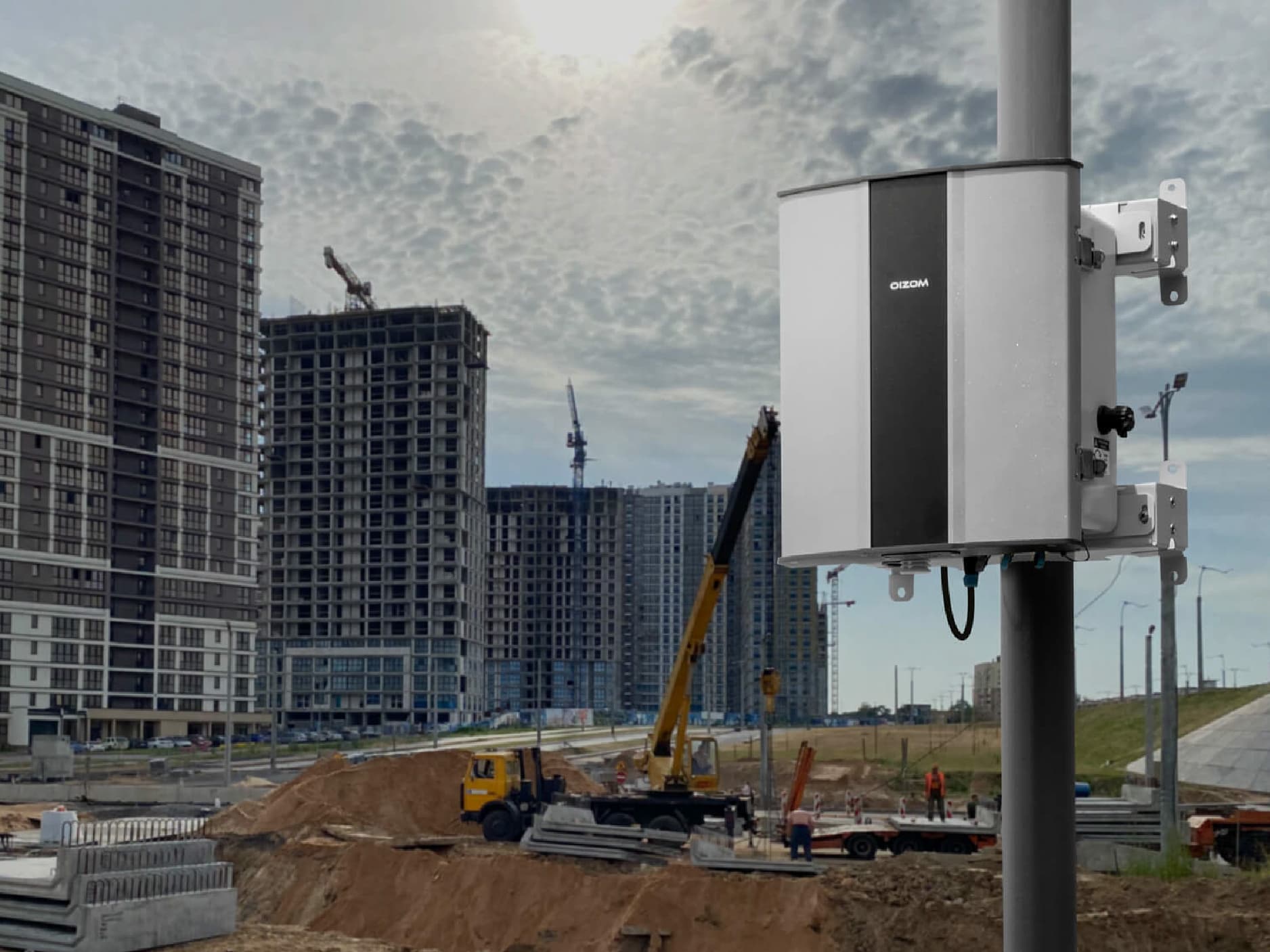
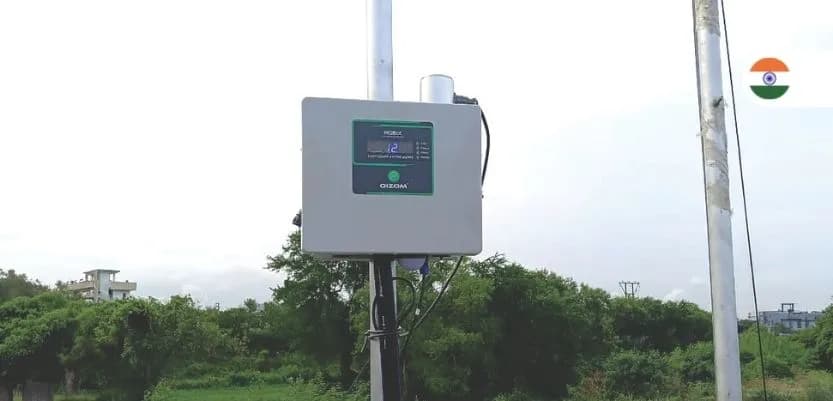
The Odosense device was strategically deployed to monitor emissions from nearby plants, providing accurate, real-time air quality data. With these insights, decision-makers can take proactive measures, ensuring effective odour management and a healthier environment.
The deployment of Odosense has provided real-time air quality insights, delivering tangible benefits for ABTS and the Ahmedabad Metro infrastructure.
With the installation of Odosense, ABTS can now implement targeted odour management strategies backed by precise emissions monitoring—ensuring a safer and healthier environment for workers and surrounding communities.
The success of this deployment has implications beyond just the Gyaspur depot. It reflects a growing shift in how infrastructure and engineering firms approach environmental challenges. Installing Oizom’s Odosense has not only improved its operational awareness but has also helped us take meaningful steps toward environmental sustainability and public well-being. The availability of continuous, high-resolution data allows municipal bodies, pollution control boards, and operators to collaborate more effectively and design better environmental zoning plans in the future.
The collaboration between ASA Bhanu Technical Services Ltd (ABTS) and Oizom showcases how cutting-edge engineering and environmental monitoring can work together for a sustainable future. By integrating smart air quality monitoring solutions like Odosense, ABTS is transforming infrastructure development with a focus on sustainability and efficiency. This partnership goes beyond innovation—it’s about creating cleaner, healthier environments for industries and the communities they serve. With real-time odour and pollution monitoring, ABTS is setting a new benchmark for responsible infrastructure development, ensuring compliance, operational efficiency, and environmental well-being.






.svg)