Summary
When thinking of a construction site, an image that often comes to mind is a bustling landscape filled with noise, movement, and, quite often, dust. Dust at construction sites is more than just a mere annoyance—it has significant health, environmental, and community implications. Thus, it is important to take quick action against it; and what is better than – dust suppression? This blog post will take a deep dive into the world of dust suppression techniques and explore how they play a critical role in managing construction projects.
Importance of Dust Suppression in Construction Projects
Before discussing the techniques to control dust, let’s first understand why it’s important. Dust in construction sites arises from numerous activities such as excavation, demolition, vehicle movement on unpaved surfaces, and much more. These fine particles, if not managed correctly, can have severe implications for both human health and the environment.
Firstly, the Health Effects of Poor Air Quality in Construction pose serious health risks to workers and nearby residents. Exposure to dust can lead to various respiratory disorders, such as asthma and silicosis. Effective dust suppression measures become crucial in mitigating these health risks.
Secondly, dust contributes to environmental degradation, damaging local ecosystems and decreasing air quality. Implementing comprehensive dust suppression strategies not only protects human health but also safeguards the surrounding environment from the adverse effects of airborne particles.
Lastly, construction dust can lead to community dissatisfaction, potentially delaying projects due to complaints or regulatory action.
Risks Associated with Construction Dust Exposure
The Occupational Safety and Health Administration (OSHA) classifies construction dust into three types: silica, wood, and lower toxicity dust. Prolonged exposure to any of these can lead to serious health issues. For example, silica dust, when inhaled, can cause a disease known as silicosis, which leads to scarring of the lungs, resulting in loss of lung function and, in severe cases, death.
Selecting Appropriate Dust Suppression Techniques
When choosing a dust suppression technique, factors such as site conditions, local weather, the type and phase of construction, and community proximity must be taken into account. Let’s explore some of the most commonly used dust suppression techniques in construction sites.
Water-Based Suppression
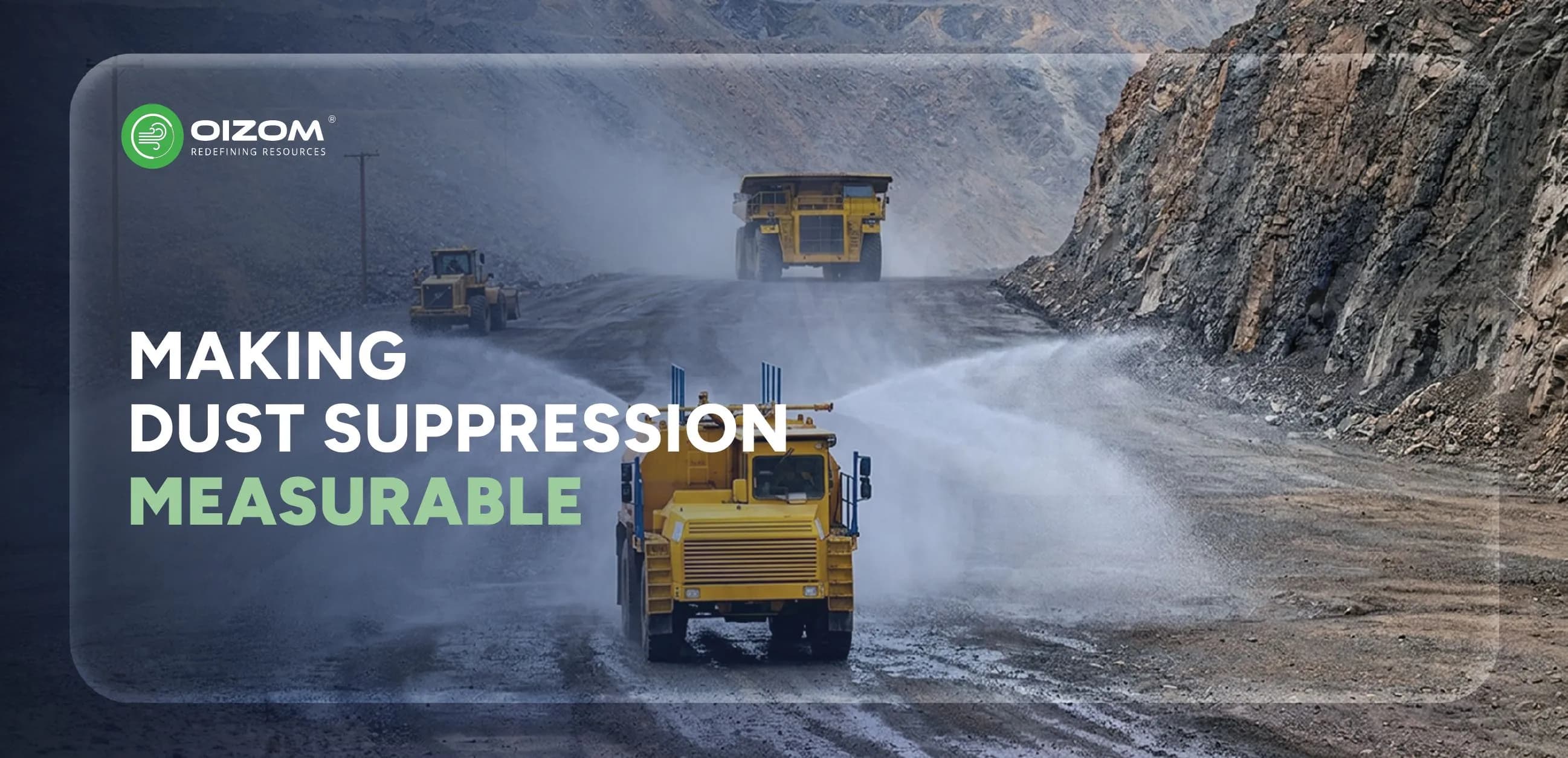
This method involves spraying water onto the site, causing dust particles to coalesce and settle. It is an effective and cost-efficient method, especially for large, open sites. However, excessive water usage may lead to site instability or the contamination of local water sources.
Chemical Dust Suppressants
Chemical suppressants work by capturing dust particles and weighing them down. They can be especially effective in areas where water-based suppression is less feasible. However, the choice of chemical suppressants must be made carefully to avoid potential environmental or health harm.
Vegetative Barriers
Planting grass or other low-lying plants can serve as a natural barrier to dust. They not only capture dust but also contribute to the aesthetic appeal and biodiversity of the area.
Surface Treatments and Stabilization
Surface treatments include gravel, synthetic materials, or other substances to cover the soil and prevent dust from being generated. Stabilization, on the other hand, involves compaction or the use of adhesives to bind soil particles together.
Enclosures and Barriers
Enclosing a construction site or using barriers such as fences or hoardings can effectively reduce dust dispersion.
Communicating with Stakeholders and the Community
Effective communication with all stakeholders, including the local community, is key to successful dust management. Keeping everyone informed about the measures taken can reduce complaints and increase cooperation.
Training and Educating Construction Workers
Equipping workers with the necessary knowledge and skills to manage dust effectively can significantly enhance dust control efforts.
Implementing the Dust Suppression Plan
Once the dust suppression plan has been established, it needs to be implemented effectively.
Integration with Construction Scheduling and Planning
The dust suppression activities must be integrated into the overall construction schedule and planning. This allows for effective resource allocation and ensures that dust control measures align with other construction activities.
Dust Monitoring During Construction
Regular monitoring of dust levels is crucial to gauge the effectiveness of your dust suppression plan. At Oizom, we provide comprehensive dust monitoring solutions that allow real-time tracking and analysis of dust levels, ensuring that your measures are effective and regulatory standards are met.
Adjusting the Plan as Needed Based on Performance and Feedback
Feedback from workers, the community, and monitoring data should be used to adjust and optimize the dust suppression plan as necessary. This allows for a responsive approach that can adapt to changing conditions and requirements.
Conclusion
Effective dust suppression is a critical aspect of construction project management, requiring a thoughtful approach that balances technical, environmental, and community considerations. Utilizing a systematic approach, combined with real-time dust monitoring solutions from Oizom, can significantly enhance the success of dust management efforts, resulting in healthier and more environmentally friendly construction sites. Remember, managing dust is not just about meeting regulatory standards—it’s about building a healthier and safer environment for everyone.






.be0dea41.svg)