Summary
Fugitive dust, released into the air without passing through a defined point source, is one of the most regulated yet least effectively monitored industrial hazards globally. The EPA’s dust control system is based on the Clean Air Act and NAAQS. It serves as a model for how dust emissions are to be controlled during construction, mining, and manufacturing activities worldwide.
What This Guide Establishes:
- Fugitive dust is treated as PM10 and PM2.5, two forms associated with health risks, regulations, and monitoring. In 2024, the EPA set the PM2.5 NAAQS at 9 µg/m³, further emphasizing the global effort to comply with dust regulations.
- A compliant dust control programme comprises six aspects: sources of dust, their effects, methods of preventing dust, real-time measurement, weather reaction, and record-keeping.
- The best dust control programme consists of several components. Water-based suppression, chemical stabilisers, and physical barriers matched to specific source types and verified by measured boundary concentrations rather than operational status alone.
- Regulatory frameworks across India, the EU, and the Gulf are independently aligning around the same principles: real-time monitoring, documented controls, and enforceable consequences, each driven by their own regulatory and judicial pressures.
- Now the focus is shifting from just checking whether dust suppression measures are in place to examining whether the right concentration is achieved.
Introduction
Visible dust gives an illusion of control: if you can see it, you can manage it. However, in reality, the particles that are the most harmful to human health are typically invisible to the naked eye. Small particles PM2.5 and PM10, generated by construction, mining, and industrial activities, go far beyond the site, accumulate in human lung tissues, and lead to respiratory and cardiovascular diseases, as well as premature mortality on a population scale.
The US Environmental Protection Agency has regulated fugitive dust as a component of particulate matter air quality since the Clean Air Act amendments of 1970. Its National Ambient Air Quality Standards have established limits of dust concentration that are widely quoted in international literature.
Nevertheless, fugitive dust is still one of the industrial hazards that often go unmonitored despite all the statutory regulations. Projects to control dust often have sensors installed on their perimeter without verifying the measurements. Similarly, mines use water suppression methods without checking whether this reduces dust pollution to the required limit. Compliance of industrial plants is often based on the checklist without relying on the measurements.
This guide will show what exact requirements are imposed by the EPA in respect of control of fugitive dust, how the monitoring of fugitive dust should be carried out, which suppression methods should be used depending on the source of pollution and how to develop a compatible programme.
What Is Fugitive Dust? Definition, Sources, and the PM10/PM2.5 Distinction
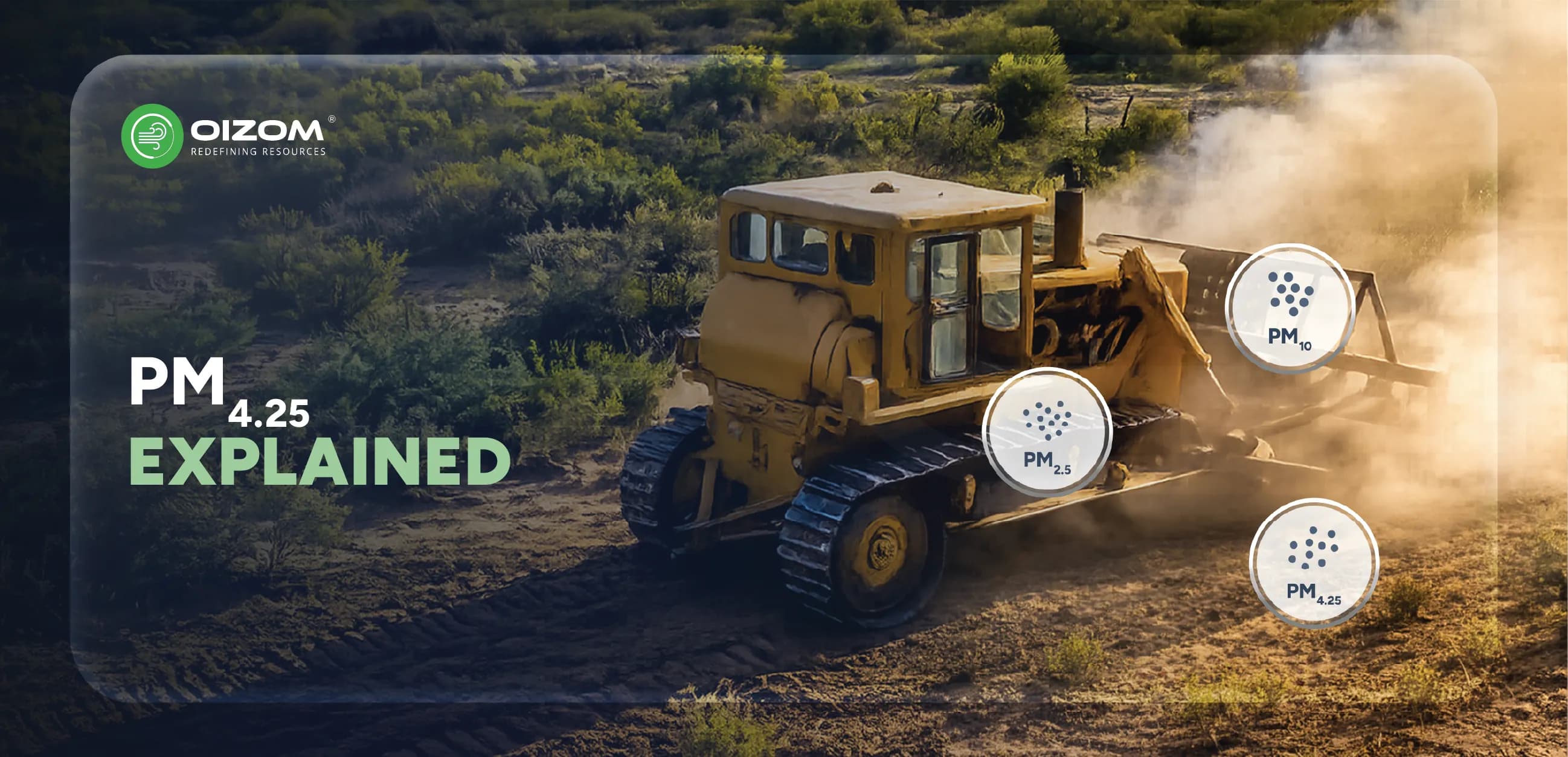
Fugitive dust refers to particulate matter that becomes airborne without passing through a stack, vent, or other controlled emission point. Several natural and artificial processes cause fugitive dust emissions. For example, some materials, when disturbed, produce dust. It is generated by mechanical disturbance of solid materials, such as soil, aggregate, ore, cement, road surfaces and by vehicle movement, wind erosion, and material handling.
The term 'fugitive dust' refers to a specific type of particulate emissions, as defined in the Clean Air Act and distinguishes it from traditional point-source emissions. Unlike point-source emissions, fugitive dust cannot be captured and treated before release; it is controlled through operational practices and engineering measures rather than end-of-pipe treatment.
PM10 vs PM2.5: Why the Size Distinction Matters for Compliance
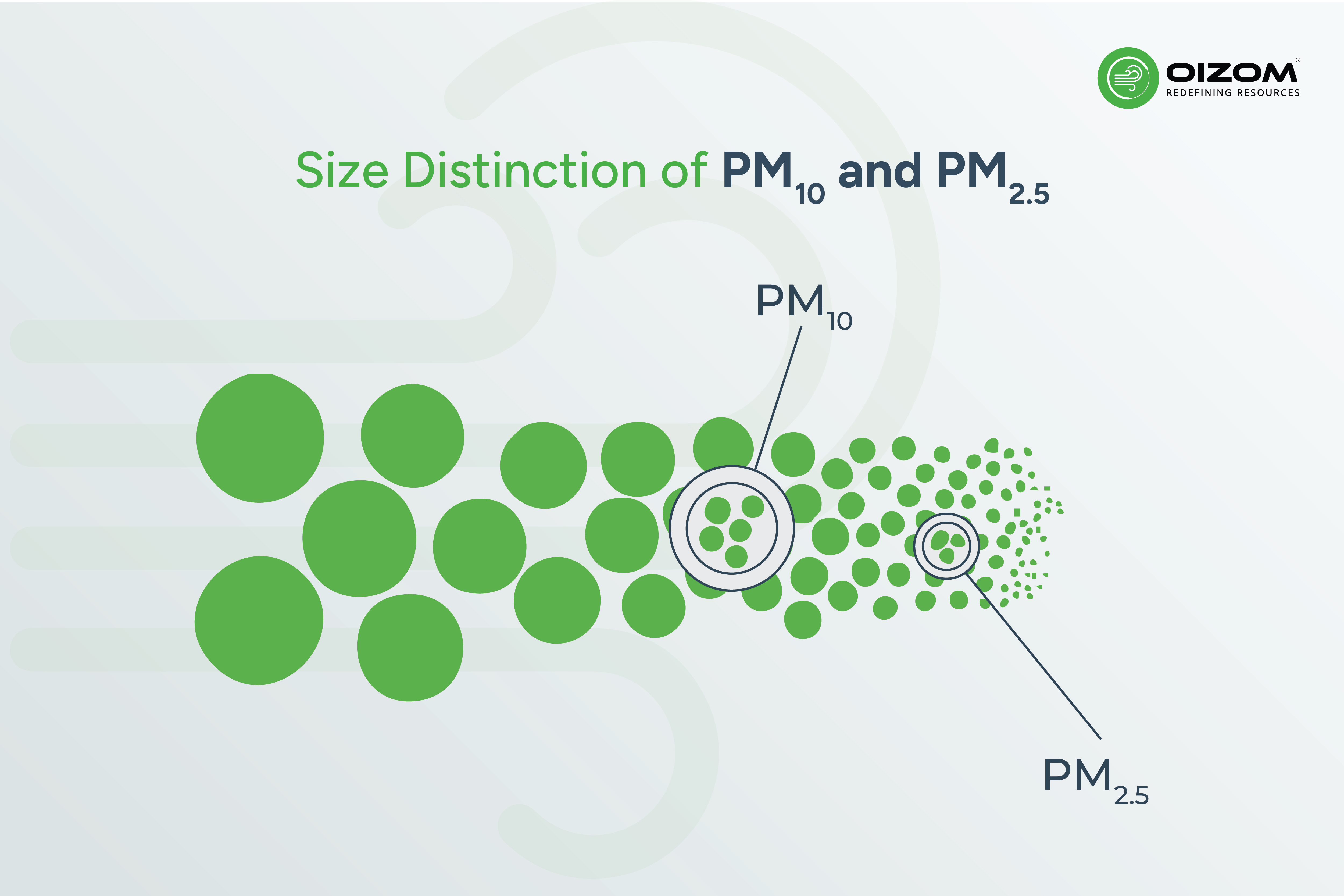
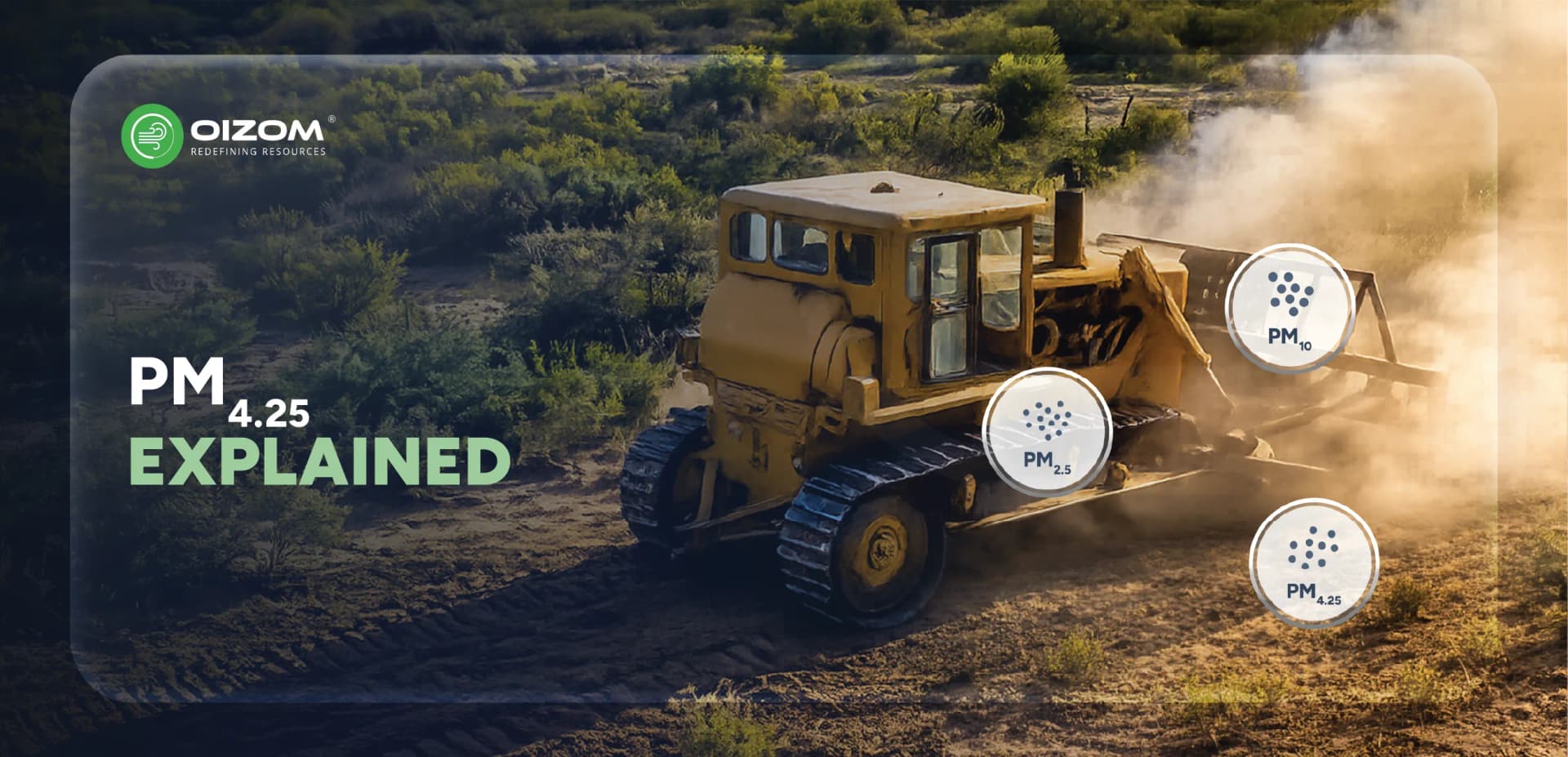
Not all dust particles carry the same regulatory or health significance. The EPA's NAAQS establish separate standards for two size fractions:
- PM10 particles with an aerodynamic diameter of 10 micrometres or less penetrate beyond the larynx into the bronchial airways. The current EPA 24-hour NAAQS for PM10 is 150 µg/m³. The PM10 standard is applied mostly in construction and mining activities, due to the amount of dust produced by mechanical operations.
- PM2.5, with an aerodynamic diameter of up to 2.5 microns, penetrates down to the alveolar region, where gas exchange occurs. With respect to PM2.5, the EPA updated the annual NAAQS mandated values to 9 µg/m³ in 2024 after changing the earlier standard of 12 µg/m³. PM2.5 serves as the main metric for health implications in any combustion-related activities but may also be obtained from other means.
India's CPCB NAAQS states that the annual PM2.5 standard is set at 40 µg/m³, while the PM10 standard for a day stands at 100 µg/m³, which is significantly below the present EPA set limits. Still, the policies are heading towards stricter compliance in the country. The revised limit for PM2.5 by the EU Ambient Air Quality Directive 2024 is 10 µg/m³, which is almost equivalent to the revised EPA limit. The development suggests that all major regulatory systems are converging towards stricter PM2.5 limits.
EPA Dust Control Regulations: What the Framework Actually Requires
The Clean Air Act and NAAQS
The Clean Air Act (CAA) was last substantially modified in 1990, providing the foundation for air quality regulation by the EPA in America. Section 109 directs the EPA to impose NAAQS for pollutants, such as PM10 and PM2.5, thereby determining the optimum levels of these pollutants in the atmosphere.
NAAQS refer to the levels of pollution acceptable in ambient air as air quality standards, not emission standards. The link between source-level dust control and ambient compliance is made through State Implementation Plans (SIPs), state-level regulatory frameworks that identify which sources must be controlled and by how much.
Who Needs a Dust Control Plan?
Dust management plan mandates are outlined at both state and local levels in the SIP approval process. While specifics may differ by region, the dust management plan generally applies to:
- Public and private construction operations with projects above a certain threshold (typically one acre or more in the US, while the PMC Pune has set the threshold at 5,000 sq meters or more in India)
- Mining activities
- Industrial facilities above certain threshold levels
- Construction of roads
- Demolition works
Several jurisdictions have established different rules with respect to dust management plans, such as requiring approval before work, or requiring plans to be available on-site. The specifics of the plan include identifying dust sources, addressing the issues, monitoring, etc.
The Role of Local Air Quality Authorities
In the United States, local authorities setting up air quality management districts will often impose more specific dust control requirements than state SIPs, illustrating the strict adherence to the legislation. For example, California’s South Coast Air Quality Management District (SCAQMD) Rule 403 establishes very strict requirements around dust control at construction sites, specifying watering frequency, prevention of trackout, and wind speeds for earthmoving work. Various similar rules have been put into practice in the American Southwest where wind-driven dust is a major factor in PM10 violations.
This multi-layered regulatory framework thus requires compliance not only with the EPA’s standards but also with state-level legislation and local rules. Organizations operating across multiple jurisdictions must ensure their dust control programmes comply with the specific requirements of each applicable regulatory authority.
Key Components of an EPA-Aligned Dust Control Plan
Dust control efforts must have six components to assure regulatory compliance and effectiveness. Check-the-box plans that do not include all six components usually fail not only an audit but also during weather changes, when dust suppression is ineffective.
1. Site Assessment and Source Identification
To design effective controls, it is important to identify and study all sources of fugitive dust in a specific area. Areas that need to be investigated include, among others: earthmoving and excavation sites; unpaved roads and other vehicle routes; stockpiled materials; operations involving crushing, screening, and processing; material transfer points and batch plants; and areas where demolition and blasting operations are conducted.
Sources of fugitive dust must be identified based on the kinds of activities performed in the specific area rather than based on the location of the area only. For example, the same site can produce different dust profiles depending on whether grading, vehicular traffic, or material placement is performed in this area.
2. Risk Assessment and Prioritisation
The amount of dust produced by sources varies. The risk assessment process ranks the sources according to their capability to produce PM10 and PM2.5 pollution by taking into account some factors, including the materials used (particle size, moisture, silt), how active the source is, and how many facilities are near it, for instance, human settlements, schools, healthcare institutions, and other environmentally important areas.
Risk assessment helps determine where monitoring should be done and which measures need strict verification.
3. Control Measures
To effectively manage the issue, measures that correspond with the type of source should be adopted to control dust emissions. The control plan should also include the measures with optimum accuracy to allow for the assessment of their implementation. It is not enough to mention water suppression; it is necessary to indicate watering the active grading areas at least once every two hours, or more often if required due to weather conditions.
4. Monitoring and Recordkeeping
Monitoring requirements vary by jurisdiction, but do all effective dust control programmes distinguish between operational monitoring (are controls in place?) and performance monitoring (are controls working?). The programme outlines what needs to be monitored, where it should be done, how often, and what constitutes a trigger for action.
Generally, the requirements regarding record keeping include inspection logs, monitoring data with time stamps, calibration records of monitoring devices, activity logs regarding suppression, and documents related to corrective measures taken.
5. Weather-Responsive Protocols
Wind velocity is the main factor causing the creation of fugitive dust. Proper dust management plans should include wind speed limits at which various processes should be restricted or enhanced. To be more precise, SCAQMD Rule 403 forbids the execution of earthworks when wind speed is over 25 miles per hour unless other methods are used. A similar tactic should be widely applied in various other jurisdictions.
6. Employee Training and Responsible Parties
The administrative framework of compliance includes naming responsible parties for dust control implementation, recording training documentation, and identifying escalation procedures. Plans that assign responsibility by role rather than by individual, or fail to include documented training records, are common causes of audit non-compliance.
Effective Dust Suppression Methods: What Works and What Doesn't
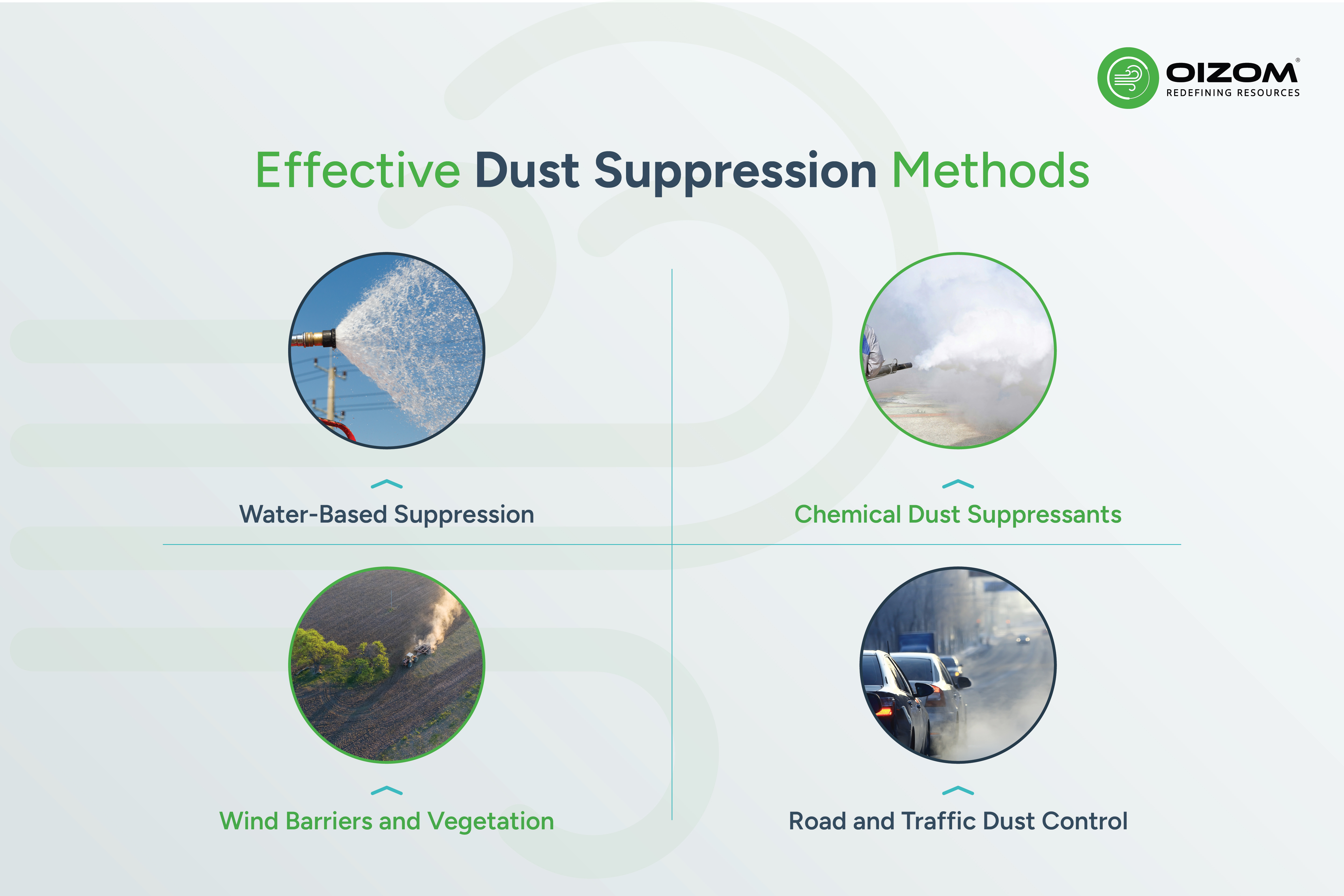
Water-Based Suppression
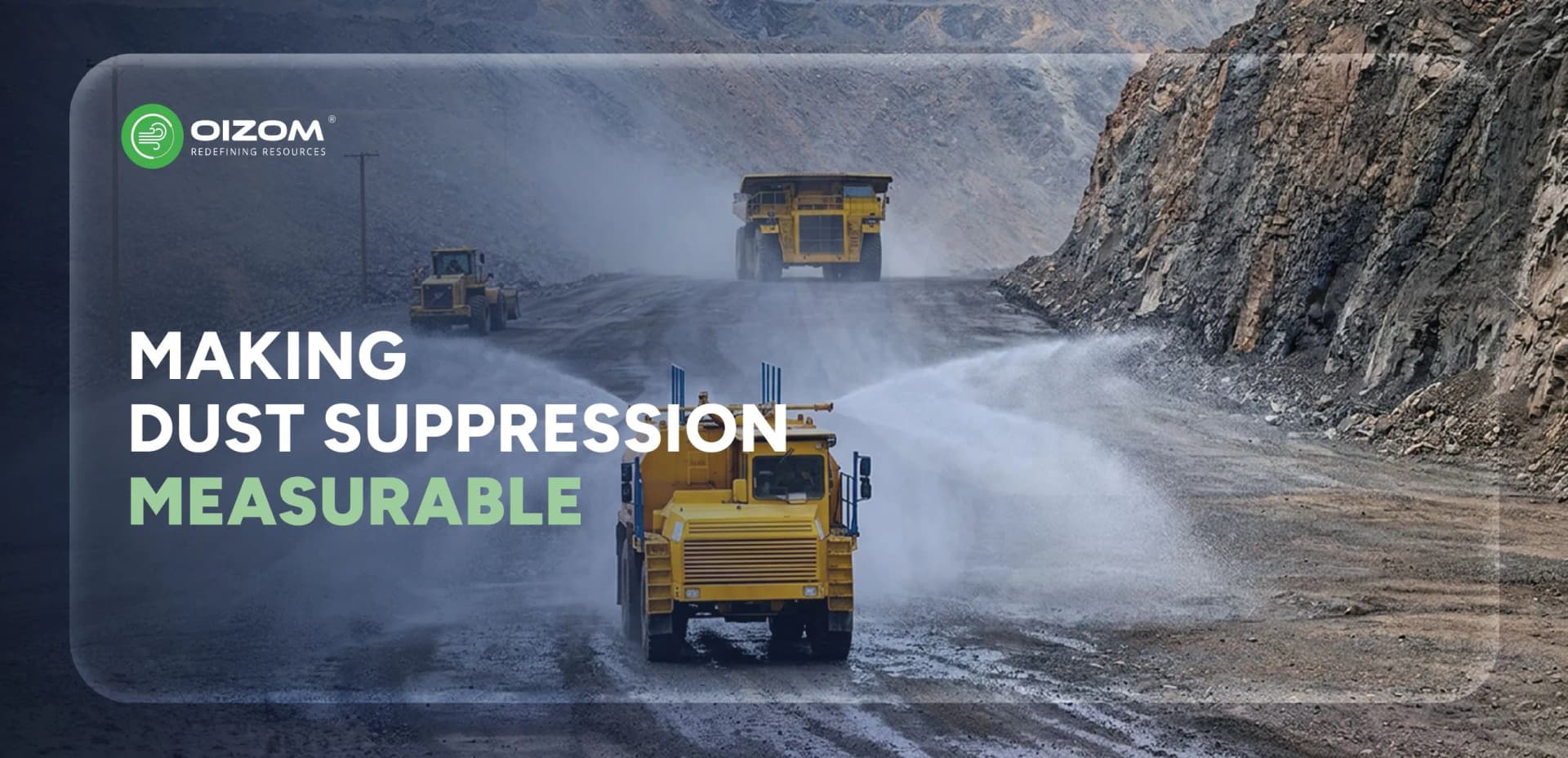
Water-based suppression is one of the most common methods of dust control in construction, mining, and roads. It works by increasing surface moisture and making it more difficult for wind and other disturbances to lift particles into the air. Its efficiency depends on the amount applied and the ground state. Insufficient application allows surfaces to dry quickly, providing only a brief appearance of effective dust control. Excessive application, on the other hand, can cause runoff, increase erosion risk, and degrade water quality.
Water suppression is most effective in situations like: active earthmoving and grading work, dirt roads, stockpiles during wind, demolition work.
Water suppression is the least effective in situations like: dry fine stockpiles, roads where fleet use is immediately followed by disturbance, situations wherein the use of water interferes with the quality of the resulting work.
Chemical Dust Suppressants
Chemical suppressants extend the effectiveness of water application by binding surface particles, forming a crust, or reducing surface tension to improve water penetration. Categories include:
- Hygroscopic salts (calcium chloride, magnesium chloride) absorb atmospheric moisture to maintain surface dampness. Effective for unpaved roads and stockpiles in moderate-humidity environments. Less effective in very dry conditions where atmospheric moisture is insufficient for activation.
- Polymer emulsions and lignosulfonates help create cohesive crusts. Polymer emulsions and lignosulfonates work well in maintaining proper surface conditions in places with little disturbance but require reapplication due to rain and vehicle disturbance.
- Petroleum products and synthetic fluids are commonly used for dust suppression in the mining industry. Though highly effective, they must be used with caution due to their potential environmental impacts.
Chemical suppressants should be selected based on material type, environmental conditions, regulatory constraints, and cost. They are not universally applicable and should be tested on representative materials before full-scale deployment.
Wind Barriers and Vegetation
Construction fence, geotextile screen, earth berm, and vegetation are wind barriers that can reduce wind velocity, thus lowering the velocity of wind capable of mobilizing dust loads. Such barriers give the best results when they are made perpendicular to the dominant wind direction and spread far enough around the area of protection to stop the expected wind gusts from flowing around their ends.
Using vegetation is a long-term method for controlling dust in inactive lands. Seeding and mulching can help prevent wind erosion resulting from extensive clearing in mining projects and major construction work.
Road and Traffic Dust Control
Unpaved hauling roads are a major source of dust pollution at construction and mining sites, leading to constant PM10 emissions from vehicles moving on those roads. Possible control measures include:
- Paving or gravelling of active areas whenever possible
- Road dust control using chemical or water washing
- Speed limits to limit the quantity of dust caused by moving vehicles
- Trackout prevention: Install rumble strips, wheel wash systems, and stabilised vehicle exit areas to prevent dirt and dust from contaminating paved roads
- Requirement for cover of material carried on trucks
Dust Monitoring and Compliance: What Regulators Actually Look For
Why Visual Inspection Is Not Enough
Visual inspection has historically been the primary dust monitoring method at most construction and industrial sites. Inspectors observe whether visible emissions cross a site boundary, whether suppression systems are operating, and whether obvious dust events are occurring.
The problem is that the particles most harmful to health, PM2.5 and fine PM10, are largely invisible to the naked eye. A site can pass a visual inspection while continuously emitting particulate concentrations that exceed ambient standards at the boundary. Conversely, a brief visible dust event during an inspection may not be representative of typical conditions.
Regulators across major jurisdictions are increasingly moving away from visual inspection as the primary compliance mechanism and toward real-time particulate monitoring at site boundaries. PMC Pune's mandate requiring real-time PM10 and PM2.5 monitoring with API data transmission to the municipal command centre is an example of this directional shift, one that aligns with where EPA enforcement is heading for large construction and industrial sites.
Real-Time Particulate Monitoring
Continuous PM10 and PM2.5 monitoring at site boundaries provides the performance evidence that visual inspection cannot: timestamped concentration data that shows whether dust is reaching the boundary, at what levels, and during which activities or conditions.
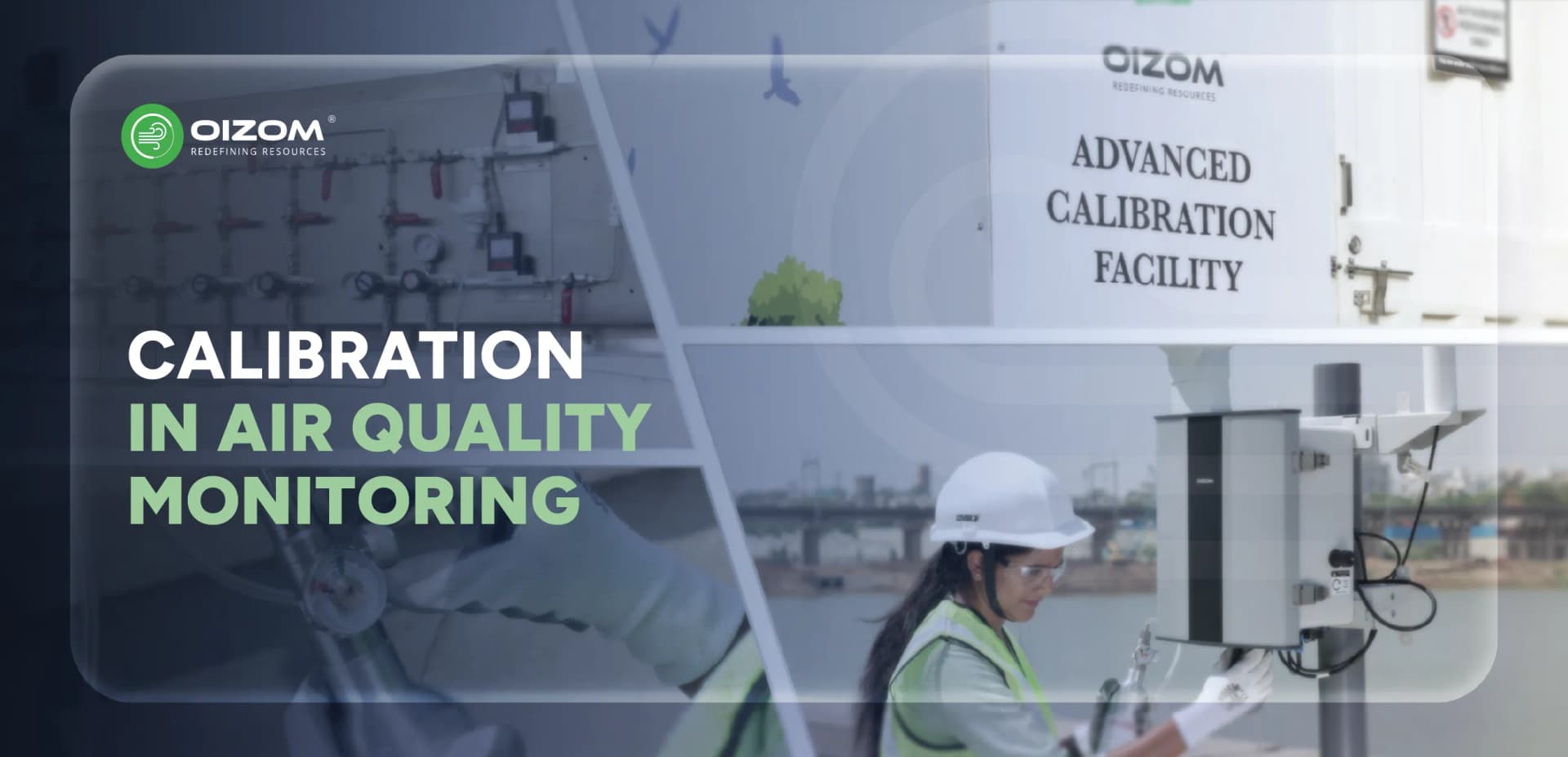
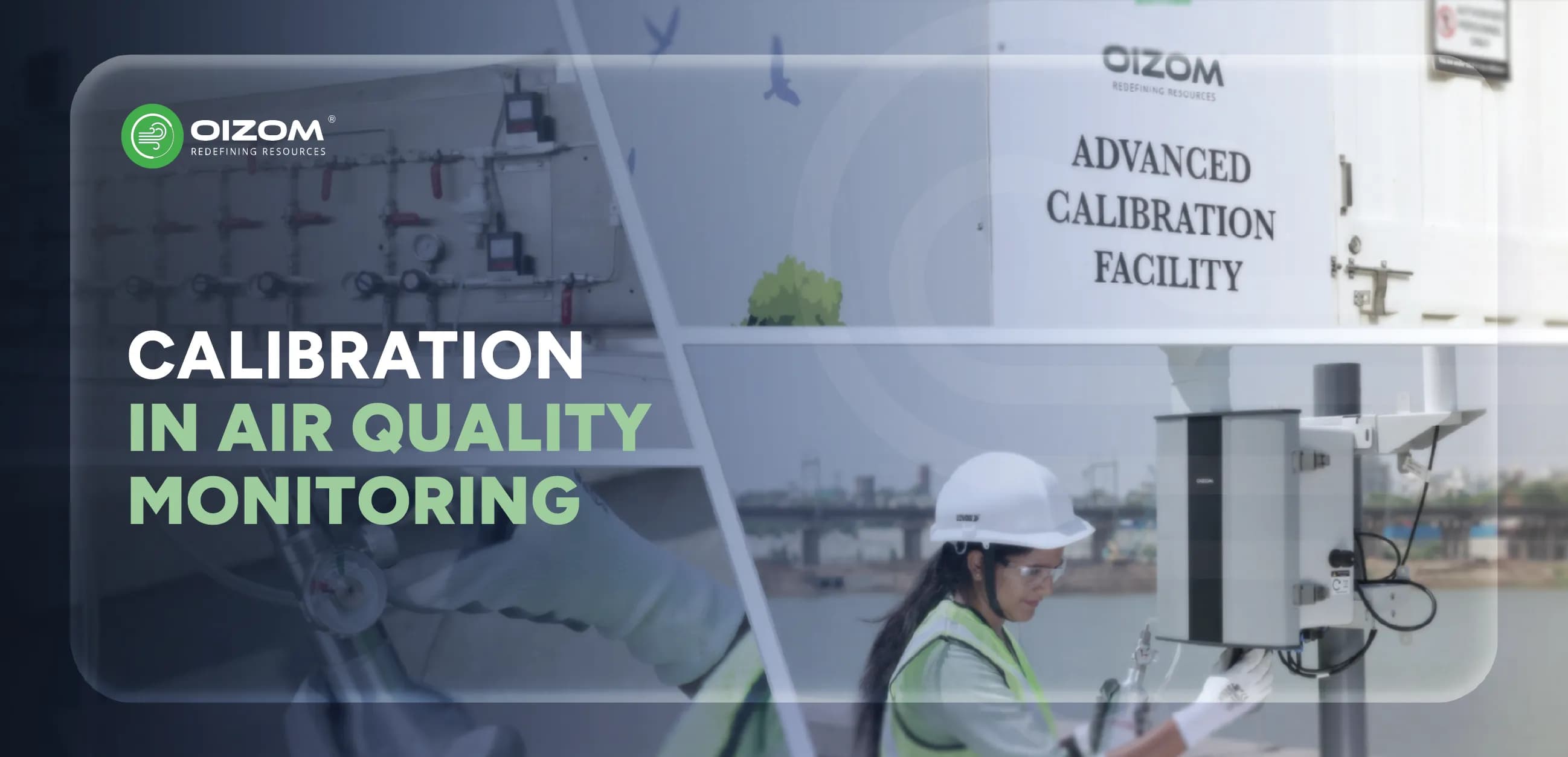
Effective boundary monitoring requires: correctly positioned sensors (downwind of primary dust sources, at or near the site boundary, at representative height), appropriate sensing technology validated for the particle types and concentrations encountered at the site, calibration against reference monitors, and data transmission to a platform that enables real-time alerting and retrospective analysis.
Oizom's Dustroid is purpose-built for this application, designed specifically for construction and mining environments where continuous dust loading, vibration, and humidity variability make standard optical sensors unreliable. Its heated anti-static inlet reduces humidity interference and sampling loss in high-particulate environments, and its optical particle counting architecture measures a range of particulate matter simultaneously, providing the multi-fraction visibility that construction and industrial dust monitoring requires. Oizom's Polludrone extends this capability to multi-pollutant ambient monitoring at site perimeters, where NOx, SO2, and meteorological parameters complement PM data for comprehensive boundary monitoring.
Weather Monitoring and Integration
Wind speed, direction, temperature, and humidity are not just contextual information; they are compliance variables. Most dust control plans specify weather-triggered actions. Monitoring systems that integrate meteorological data with PM readings allow EHS teams to correlate dust events with wind direction (identifying emission sources), assess suppression effectiveness under varying humidity conditions, and demonstrate that exceedance events were weather-driven rather than control failures.
Documentation and Audit Readiness
During compliance inspections, regulators typically request monitoring data for the review period, including timestamps and sensor calibration records; inspection logs documenting inspection frequency and findings; records of dust suppression activities demonstrating that control measures were implemented as planned; and documentation of corrective actions taken in response to any exceedance events.
When compliance data is scattered across multiple systems; monitoring data in one platform, inspection logs in spreadsheets, and calibration records buried in emails it cannot be assembled quickly enough for a surprise inspection. It also becomes difficult to identify trends, investigate incidents, or demonstrate ongoing compliance. Centralised data management is not a convenience but an operational necessity.
Industry-Specific Dust Control Practices
Construction and Demolition
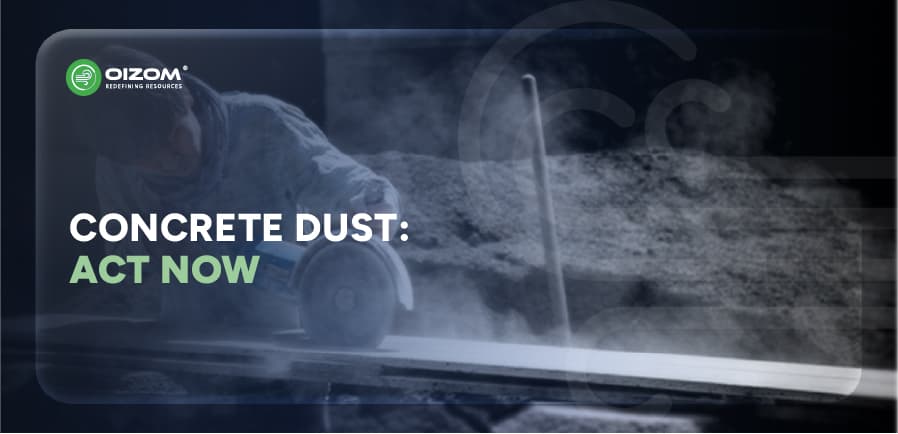
Construction sites generate fugitive dust through earthmoving, grading, vehicle traffic, concrete cutting, demolition, and material handling. PM10 is the primary regulatory concern, but fine PM2.5 is generated by high-energy operations including jackhammering, grinding, and blasting.
Key control priorities for construction: phased earthmoving to minimise exposed surface area; continuous haul road treatment; enclosure or wet suppression for cutting and grinding operations; and boundary monitoring that identifies which activities generate emissions reaching the perimeter.
Construction dust control is subject to increasing regulatory specificity globally. BMC Mumbai's construction air quality mandate, PMC Pune's circular, and NMMC Navi Mumbai's SOP all align with the EPA's fundamental approach of real-time monitoring, documented controls, and enforcement consequences, adapted to the Indian regulatory context.
Mining and Quarrying
Mining operations generate dust from blasting, crushing, screening, conveyor transfer, vehicle movement on haul roads, and wind erosion from tailings and waste rock areas. PM10 is significant, but blasting and crushing also generate PM2.5 in quantities relevant to both worker exposure and boundary community impact.
Key control priorities for mining: blast timing to avoid high-wind conditions; wet suppression at crusher feed and discharge points; conveyor enclosure or misting at transfer points; chemical stabilisation of tailings surfaces; and continuous boundary monitoring across the full perimeter.
Mining dust control programmes that rely solely on operational checklists rather than measured boundary concentrations consistently underestimate actual community impact. PM10 from large haul roads and tailings areas can travel kilometres under favourable meteorological conditions, affecting receptors well beyond the immediate site boundary.
Manufacturing
Manufacturing facilities generate fugitive dust from material handling (receiving, storage, and transfer of raw materials), process operations (grinding, mixing, conveying), and vehicle movement in outdoor areas. The dust profile varies significantly by industry: cement plants generate alkaline calcium-silicate dust, metal processing facilities generate metal-containing PM2.5, and chemical manufacturing may generate reactive or toxic particulates requiring specific control approaches.
Key control priorities for manufacturing: enclosed material handling wherever feasible, local exhaust ventilation at process dust generation points, sealed transfer systems for fine materials, and fenceline monitoring calibrated for the specific particle types generated by the facility.
Conclusion
Effective fugitive dust control begins with engineering the right suppression methods, correctly applied, at the right sources. But whether those engineering controls are working is a data question, and most dust control programmes are data-poor. They know their controls are operational. They do not know whether their controls are effective.
The EPA's regulatory framework, and the frameworks aligned with it across India, the EU, and the Gulf, are moving in one direction: from operational compliance (are controls in place?) to performance compliance (what are measured concentrations at the boundary?). Organisations that build real-time monitoring into their dust control programmes now are not getting ahead of regulation; they are catching up with where enforcement already is.
Dust that is generated but not measured is dust that is not managed. And dust that is not managed is a regulatory, financial, and reputational liability that compounds over time.



.be0dea41.svg)