
We use cookies to ensure that we provide you with the best experience on our website. By clicking “Accept” you agree to our use of cookies and continue browsing on this site.

Terengganu, Malaysia

July 2025

Research/ University Campus

Universiti Malaysia Terengganu

Polludrone Custom

Campus Environmental Monitoring and Academic Research
Universiti Malaysia Terengganu (UMT) deployed a Custom-Configured Oizom Polludrone Air Quality Monitoring Station on its campus to provide continuous, real-time visibility into air quality and environmental conditions. A university campus is a dynamic environment where academic activity, infrastructure, traffic, and surrounding ecosystems interact continuously, and understanding these interactions requires accurate, locally measured data. The station measures a wide range of air pollutants and meteorological parameters, streaming data in real time to the Envizom platform.
This deployment provides UMT with a modern, evidence-based foundation for campus environmental management and research-driven initiatives, directly linking monitoring data to academic study and long-term analysis.
01 | 12+ | 24/7 |
A university campus is shaped by a mix of academic activity, infrastructure, road traffic, and surrounding ecosystems; each influences ambient air quality in ways that are difficult to disentangle without continuous local measurement.
Before this deployment, UMT relied on fragmented and limited monitoring approaches, making it hard to generate the accurate, consistent data that student projects, faculty research, and environmental studies require.
To address this gap, UMT established a monitoring solution to enable:
Oizom’s innovative technology has redefined environmental monitoring by providing highly accurate and actionable data on various atmospheric parameters. Our offerings include weather stations, pollution tracking, and noise monitoring solutions. With seamless integration into smart city infrastructure, Oizom’s tools enhance decision-making, compliance monitoring, and community engagement towards a greener planet.

A research-grade campus monitoring solution must measure multiple pollutants and meteorological variables simultaneously, remain flexible enough to evolve with academic needs, and deliver data to a single trusted platform. Oizom's Polludrone was selected to meet exactly these requirements.
Oizom's Polludrone addresses these needs in a single modular outdoor unit:
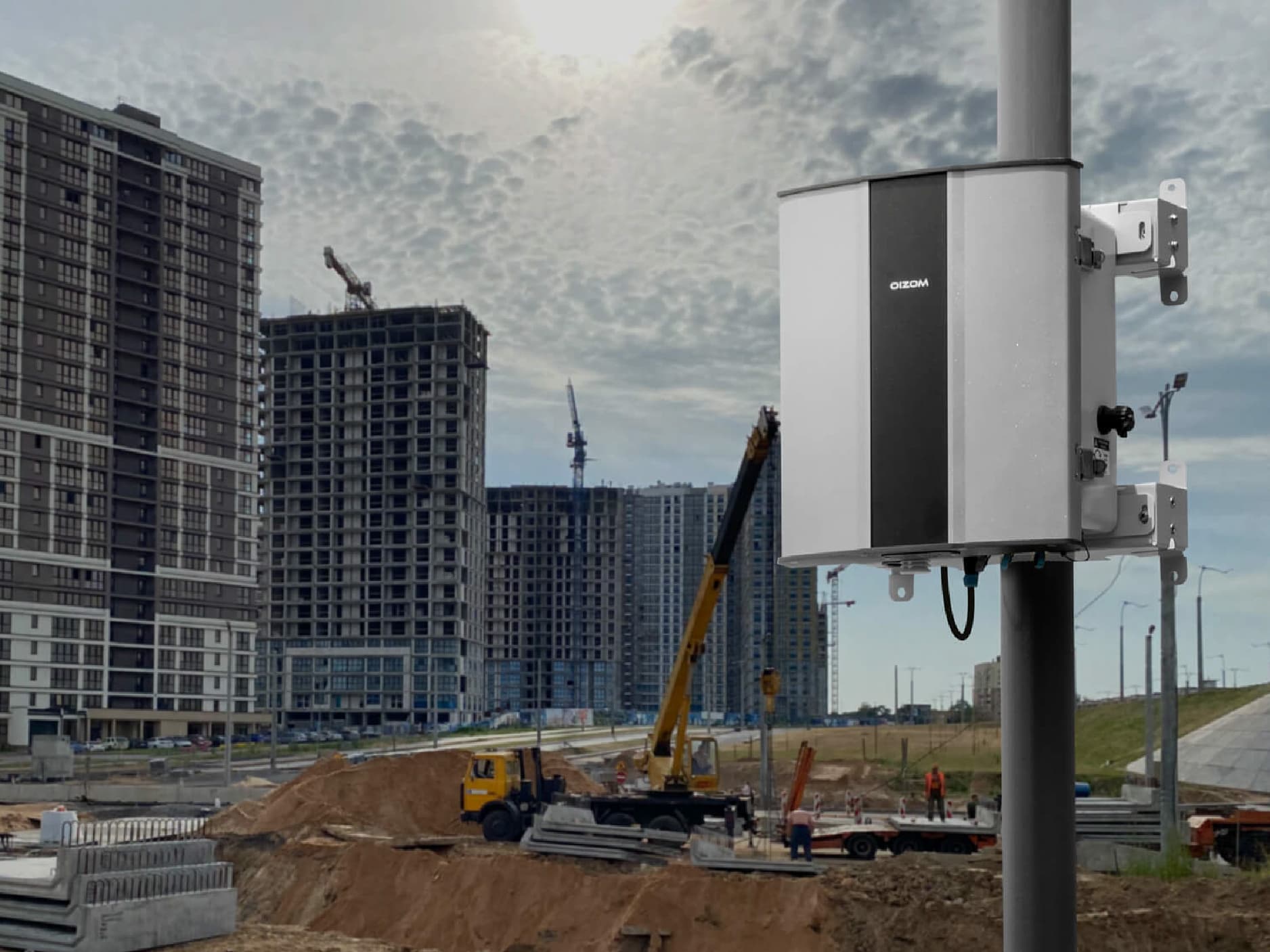
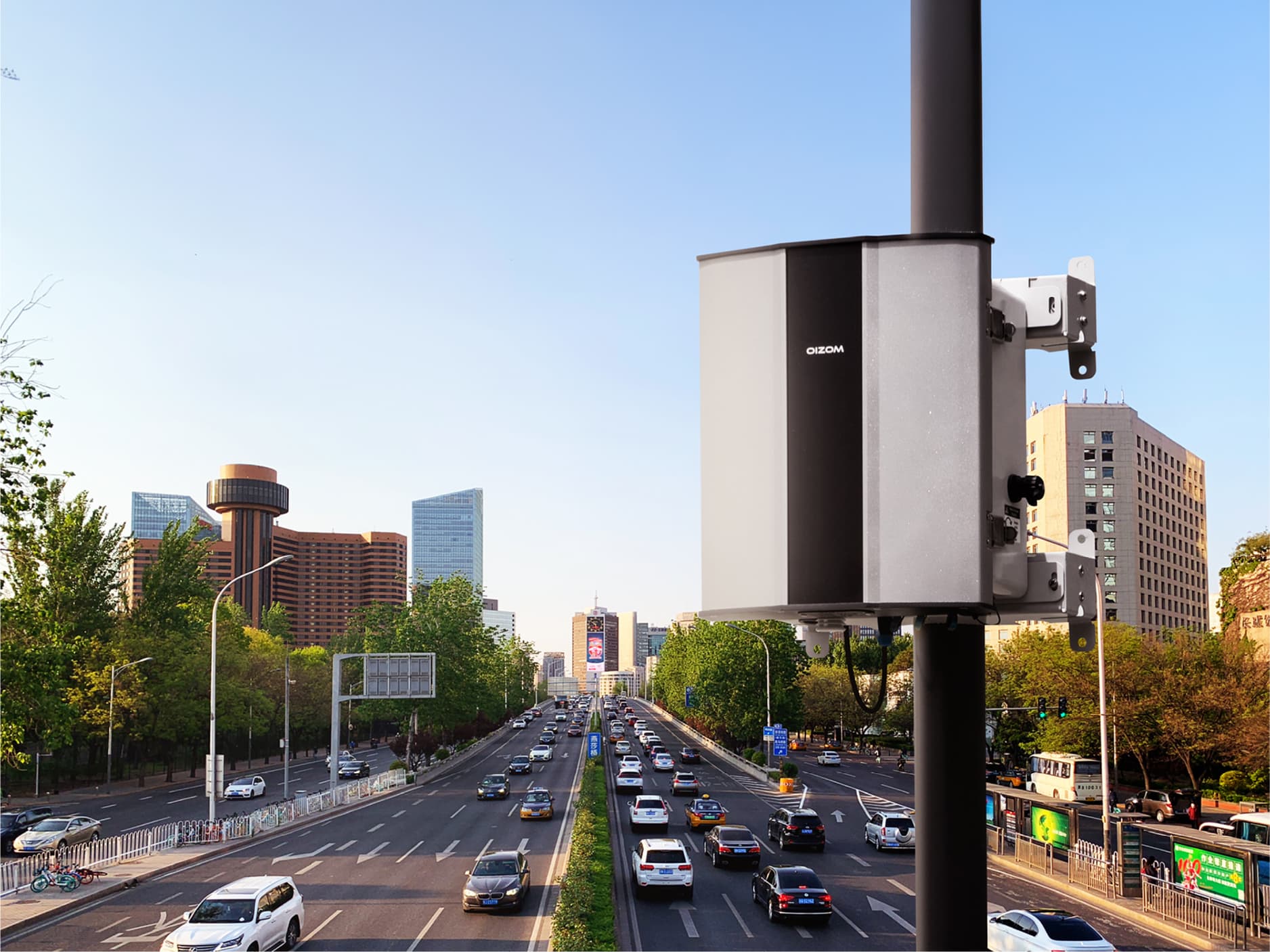
A single Custom-Configured Polludrone station was installed at the UMT campus, designed specifically to meet the university's extensive monitoring and research requirements. The station continuously samples its environment and automatically transmits data to Oizom's AI-powered platform Envizom, for real-time aggregation, visualization, and analysis.
This marked a shift from fragmented, limited monitoring approaches to a unified, data-driven environmental monitoring framework at UMT.
The station monitors a wide range of pollutants and meteorological parameters:
| Category | Parameters Measured |
| Particulate Matter | PM1, PM2.5, PM10 |
| Gases | SO₂ (sulfur dioxide), NO₂ (nitrogen dioxide), H₂S (hydrogen sulfide), CO (carbon monoxide), NO (nitric oxide), TVOC (total volatile organic compounds), CH₄ (methane), CO₂ (carbon dioxide), O₃ (ozone) |
| Meteorology | Wind speed, wind direction, and rainfall |
By measuring meteorological parameters alongside pollutants, the station can correlate pollutant concentrations with local weather conditions; essential for research, trend analysis, and tracing likely pollution sources on and around campus.
The monitoring deployment has transformed how UMT understands, manages, and studies air quality across its campus. By delivering continuous, highly accurate data, it enables stronger research, deeper insights, and more informed environmental management.
Enhanced Research Support
Deeper Environmental Insights
Operational Efficiency
Data-Backed Decision-Making
By implementing this monitoring solution, UMT has advanced toward a modern, data-driven environmental monitoring system. The deployment strengthens the university's capacity to monitor air quality, supports research and informed campus management, and reinforces UMT's role as a research-driven institution committed to environmental awareness and sustainable operations.




.svg)