
We use cookies to ensure that we provide you with the best experience on our website. By clicking “Accept” you agree to our use of cookies and continue browsing on this site.

Pune

November 2024

Fenceline/ Manufacturing

Automech

Polludrone Custom

Warehouse Air Quality Monitoring
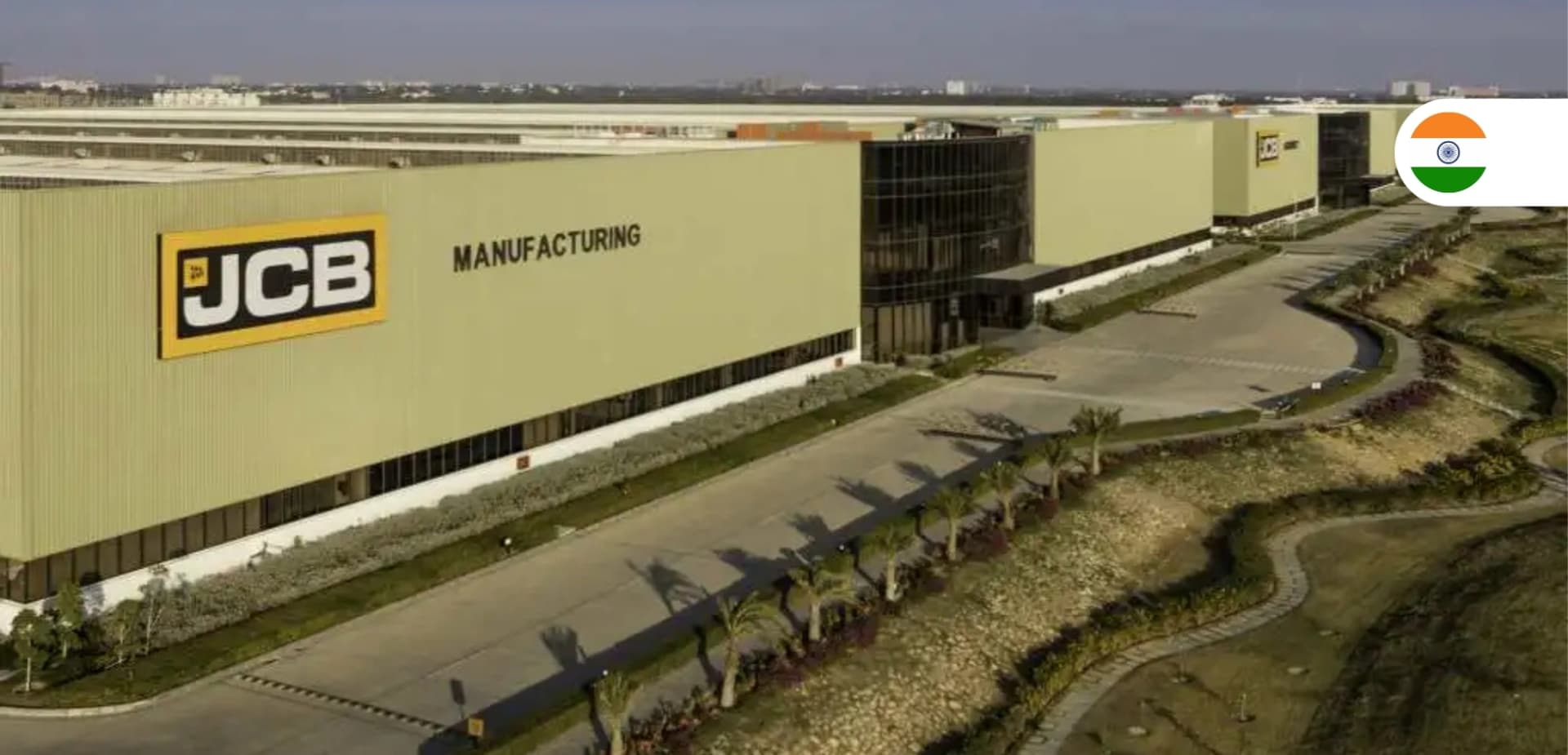
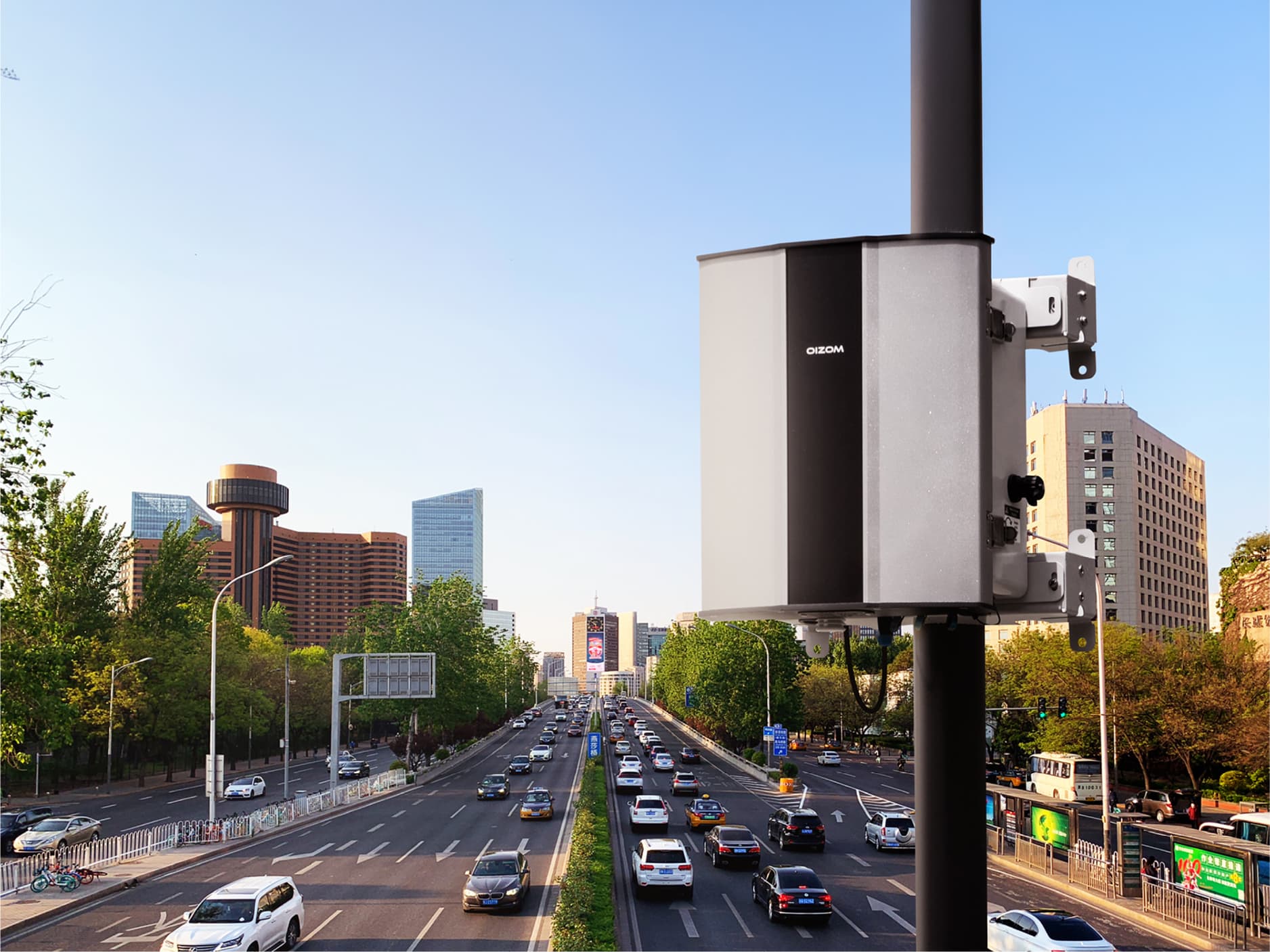
Automech deployed multiple Custom-Configured Oizom Polludrone Air Quality Monitoring Stations across its fence-line manufacturing plant in Pune to bring continuous, real-time visibility to the air inside its warehouse.
Inside an industrial facility, air quality is inseparable from product quality: dust thrown off by machinery and the emissions of internal vehicle movement settle on materials and components, and in a precision manufacturing environment, that contamination carries a direct cost. The stations measure particulate matter, regulated gases, environmental conditions, and noise, streaming data in real time to the Envizom platform.
The deployment gave Automech's management an evidence base it never had; one that tied specific pollution patterns to specific corrective action on the warehouse floor.
03 | 10 | 24/7 |
Continuous machinery operation and the movement of forklifts and transport vehicles generate a steady load of particulates and gaseous pollutants, and with little to no insights about where that load concentrates or when it peaks.
At Automech, the consequences were tangible. Suspended particulate matter was settling on products and materials, driving up QC rejection rates and forcing rework, wastage, and higher operating costs. With no monitoring infrastructure in place, the team could neither trace the pollution to its sources nor track how it moved through the day, leaving any attempt at control reactive at best.
Resolving this called for a system capable of the following:


Oizom’s innovative technology has redefined environmental monitoring by providing highly accurate and actionable data on various atmospheric parameters. Our offerings include weather stations, pollution tracking, and noise monitoring solutions. With seamless integration into smart city infrastructure, Oizom’s tools enhance decision-making, compliance monitoring, and community engagement towards a greener planet.

Monitoring inside a manufacturing facility imposes its own demands: several pollutant types tracked simultaneously, sensors that remain accurate in dusty industrial air, configurations suited to an enclosed warehouse, and data presented in a form that management can act on.
Oizom's air quality monitoring system - Polludrone was selected because it meets each of these in a single unit:
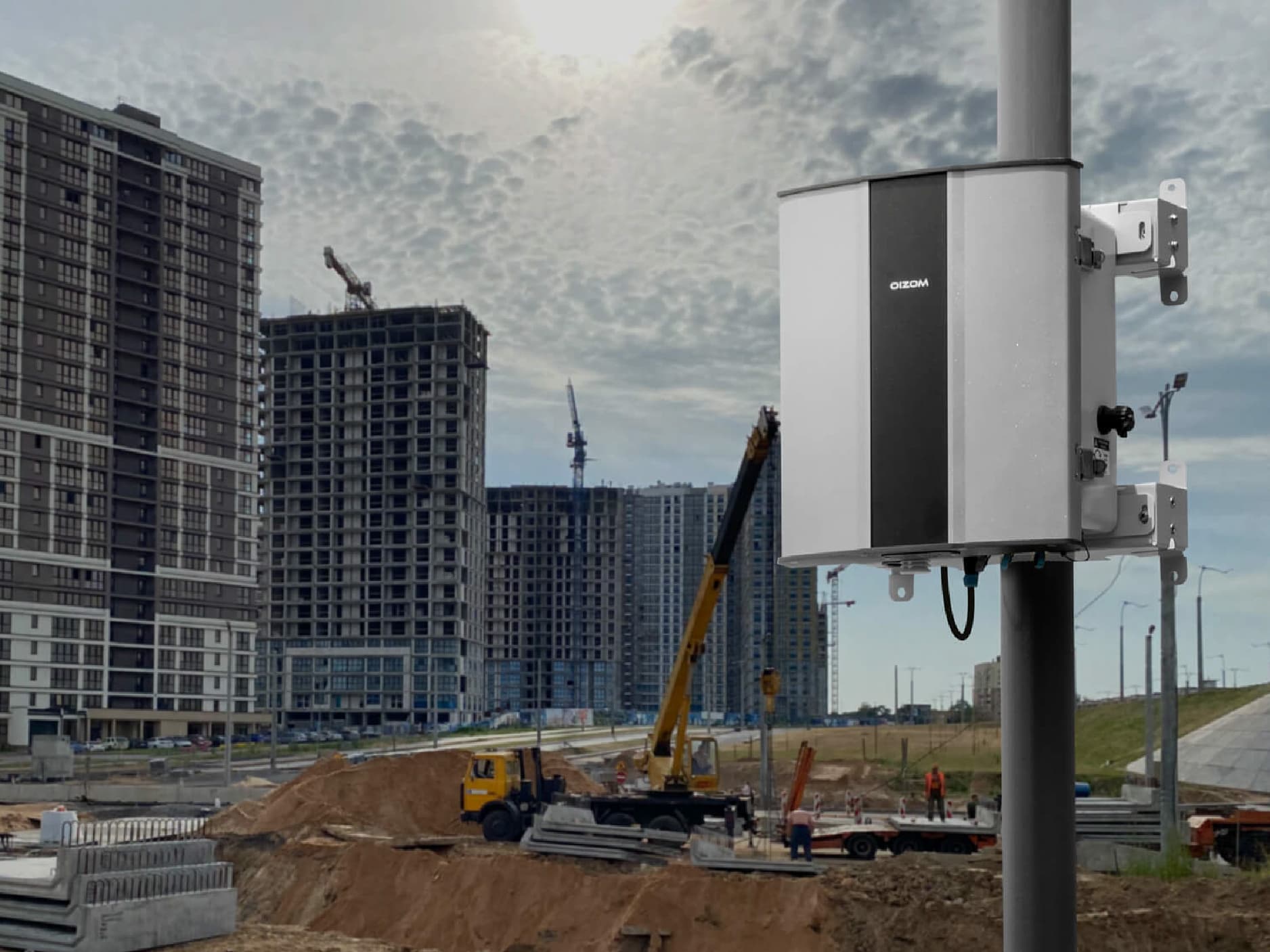
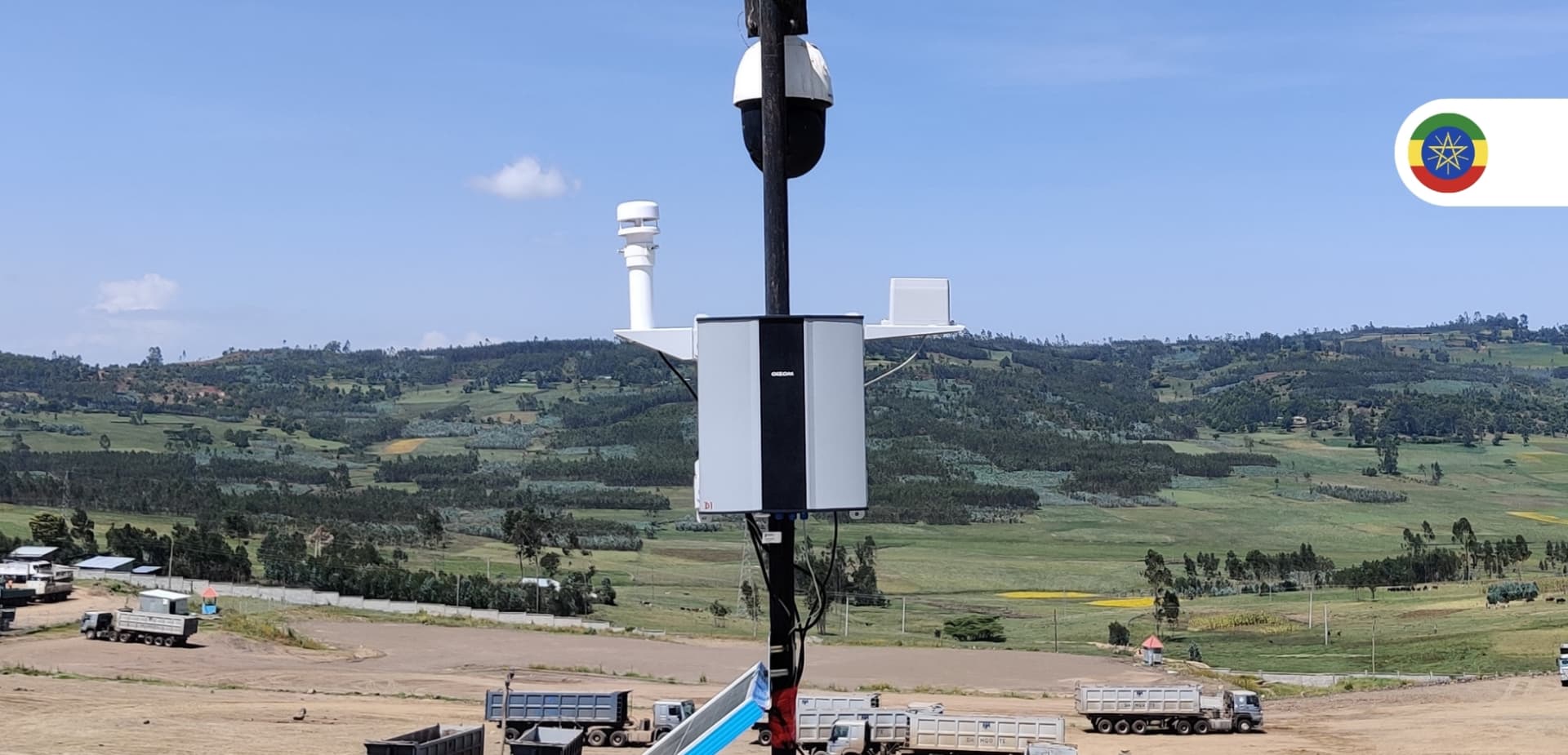
Three Custom-Configured Polludrone stations were installed at strategic points across the warehouse, positioned to capture how air quality varies between machinery, vehicle routes, and sensitive operational zones.
Each station continuously samples its surroundings and automatically transmits its readings to Oizom's AI-powered platform, Envizom, for real-time aggregation, visualization, and analysis.
This replaced a complete absence of monitoring with a unified, data-driven view of the warehouse environment.
Each station monitors a range of pollutants and environmental parameters:
| Category | Parameters Measured |
| Particulate Matter | PM1 (very fine), PM2.5 (fine respirable), PM10 (inhalable), and PM100 |
| Gases | SO₂ (Sulfur Dioxide), O₃ (Ozone), CO (Carbon Monoxide), NO₂ (Nitrogen Dioxide) |
| Environmental | THP (Temperature, Humidity, Pressure) |
| Acoustic | Noise levels |
The monitoring system changed how Automech understood and managed its warehouse environment. With reliable, real-time data in hand, the management team could finally locate pollution hotspots and respond with targeted physical mitigation rather than relying on guesswork.
Targeted Pollution Mitigation
Improved Product Quality
Operational Efficiency
Data-Driven Facility Management
By implementing this monitoring solution, Automech moved beyond reactive problem-solving environmental management. The deployment gave the facility the visibility to identify pollution sources and act on them through ventilation, dust control, and air purification, yielding a cleaner warehouse, more consistent product quality, fewer QC rejections, and a more efficient manufacturing operation overall. Just as importantly, it established a continuous evidence base for the facility's long-term optimization and compliance.



.svg)