
Summary
Inhaling silica dust can cause serious and sometimes irreversible lung damage, especially with repeated or prolonged exposure. Fine silica particles can lodge deep in the lungs, causing inflammation and scarring that may lead to silicosis, lung cancer, chronic bronchitis, and COPD. The risk depends on the level and duration of exposure, so effective dust control, respiratory protection, and real-time air quality monitoring are essential to reduce harm.
Introduction
Our world, driven by technological advances and rapid urbanisation, grapples with many environmental concerns. Amid these concerns, silica dust has emerged as a growing threat, drawing attention from both industry leaders and health professionals. But how many of us actually know what silica dust is, where it comes from, what it can do, and how to manage it? This article dives into this potent hazard, its current implications, and the precautionary steps industries are taking.
Understanding Silica Dust
What is Silica?
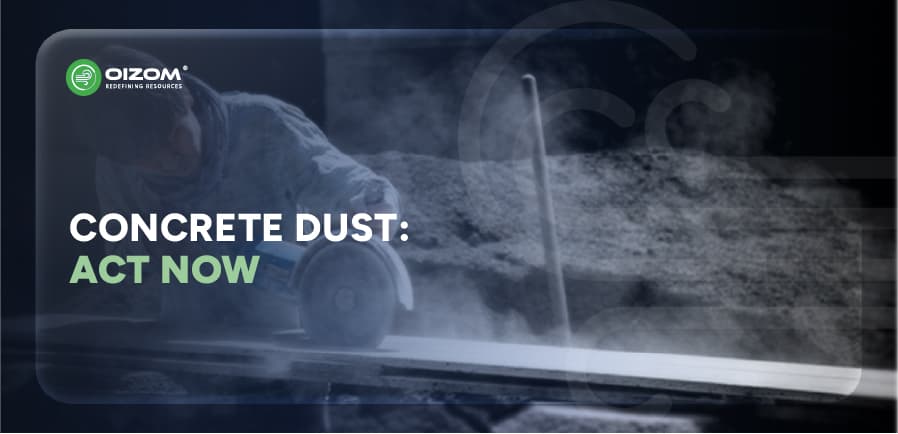
Silica, primarily known as silicon dioxide (SiO2), is a natural mineral abundantly found in the Earth's crust. It is a major component of many rocks, sand, and clays. When silica-containing materials undergo processes such as drilling, cutting, or grinding, they release fine particles, forming 'silica dust.'
Where Does Exposure Occur?
While many associate silica dust exposure with traditional industries such as construction (where workers deal with concrete and masonry) and mining, the threat extends across many sectors. The tech industry, especially sectors focused on manufacturing semiconductors, microchips, and even solar panels, often requires contaminant-free environments. Here, even trace amounts of silica dust can be detrimental, causing disruptions and costly defects.
A Deep Dive into the Health Consequences of Silica Dust

The health ramifications of inhaling silica dust stretch beyond momentary discomfort. Long-term exposure can lead to chronic conditions, some of which are irreversible and fatal.
Silicosis: One of the primary diseases caused by silica dust inhalation, silicosis occurs when dust particles embed in lung tissue. This embedding results in inflammation and subsequent scarring. Symptoms might range from shortness of breath to a persistent cough and can manifest in various forms - acute, accelerated, or chronic.
Lung Cancer: The International Agency for Research on Cancer (IARC) has underlined Silica dust's carcinogenic properties. Workers exposed over prolonged periods face a heightened risk. As of recent studies, individuals with substantial exposure showed a 25% increased likelihood of developing lung cancer compared to those with minimal or no exposure.
Other Health Implications: Silica dust can also worsen other respiratory ailments. These include chronic bronchitis, tuberculosis, and Chronic Obstructive Pulmonary Disease (COPD). Furthermore, studies are exploring links between silica dust and autoimmune diseases, kidney damage, and other inflammatory conditions.
Prevalence of Silicosis: According to 2023 reports, global health assessments suggest that thousands, if not millions, have been affected by silicosis. Countries with substantial mining and construction activities, such as China and India, report thousands of new cases annually. According to OSHA, about two million construction workers are exposed to respirable crystalline silica in over 600,000 workplaces.
Economic Impact: These health repercussions carry economic costs, with billions spent on treatment, compensation, and lost workdays. For instance, in the U.S. alone, millions are allocated annually for compensation claims related to silica dust exposure.
Safety Compliance: Despite the evident risks, many industries worldwide still have not adopted stringent safety protocols. Recent surveys indicate that less than 50% of companies in high-risk sectors have comprehensive protective measures in place.

Statistical Overview: The Global Impact of Silica Dust
To fathom the enormity of the issue, one must acquaint themselves with the recent statistics surrounding silica dust and its health implications:
Prevalence of Silicosis: According to 2023 reports, global health assessments suggest that thousands, if not millions, have been affected by silicosis. Countries with substantial mining and construction activities, such as China and India, report thousands of new cases annually. According to OSHA, about two million construction workers are exposed to respirable crystalline silica in over 600,000 workplaces.
Economic Impact: These health repercussions carry economic costs, with billions spent on treatment, compensation, and lost workdays. For instance, in the U.S. alone, millions are allocated annually for compensation claims related to silica dust exposure.
Safety Compliance: Despite the evident risks, many industries worldwide still have not adopted stringent safety protocols. Recent surveys indicate that less than 50% of companies in high-risk sectors have comprehensive protective measures in place.
.jpg)
Bracing for the Threat: Current and Emerging Protective Measures
The mantra 'prevention is better than cure' is particularly apt concerning silica dust. Since the damage is often irreversible, industries and health bodies are putting a premium on protective strategies.
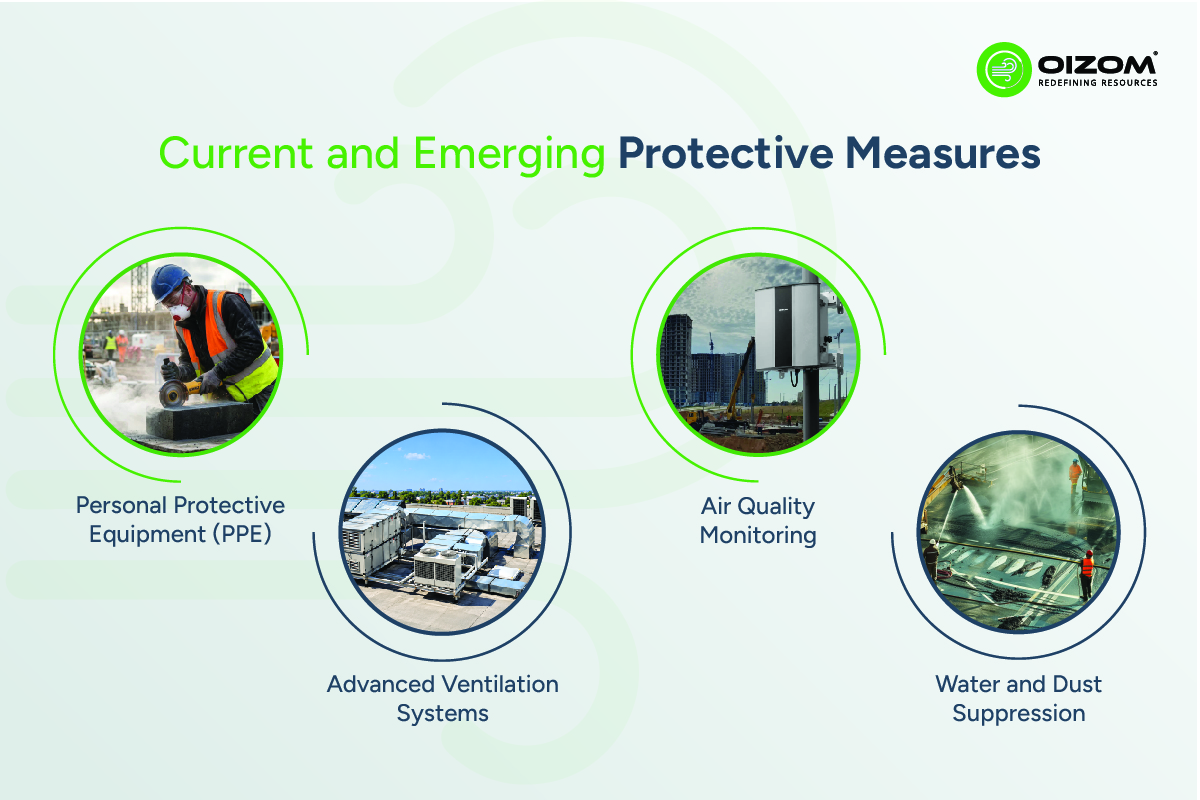
Personal Protective Equipment (PPE): Face masks, especially N95 and P100 respirators, have proven effective in minimising silica dust inhalation. Ensuring workers have these and are trained to use them properly is pivotal.
Advanced Ventilation Systems: Modern industrial setups are moving beyond rudimentary ventilation. They now incorporate HEPA filters and extraction systems that capture and contain airborne silica particles, significantly reducing exposure.
Air Quality Monitoring: With technology's aid, industries can now track air quality in real-time. Oizom is at the forefront, offering devices that can detect particulate levels instantaneously. These tools not only monitor but also alert facilities when threshold levels are breached, enabling immediate intervention.
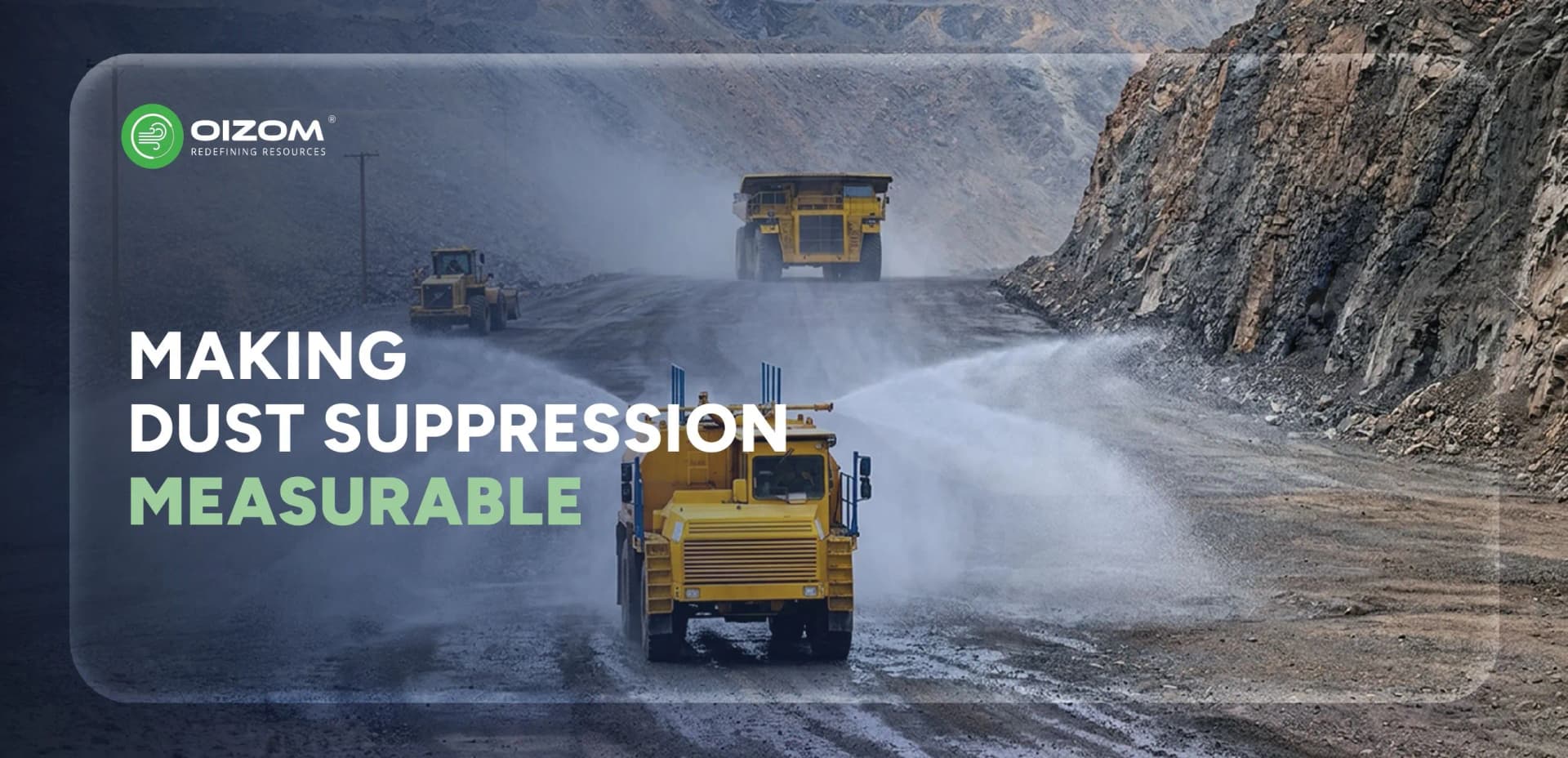
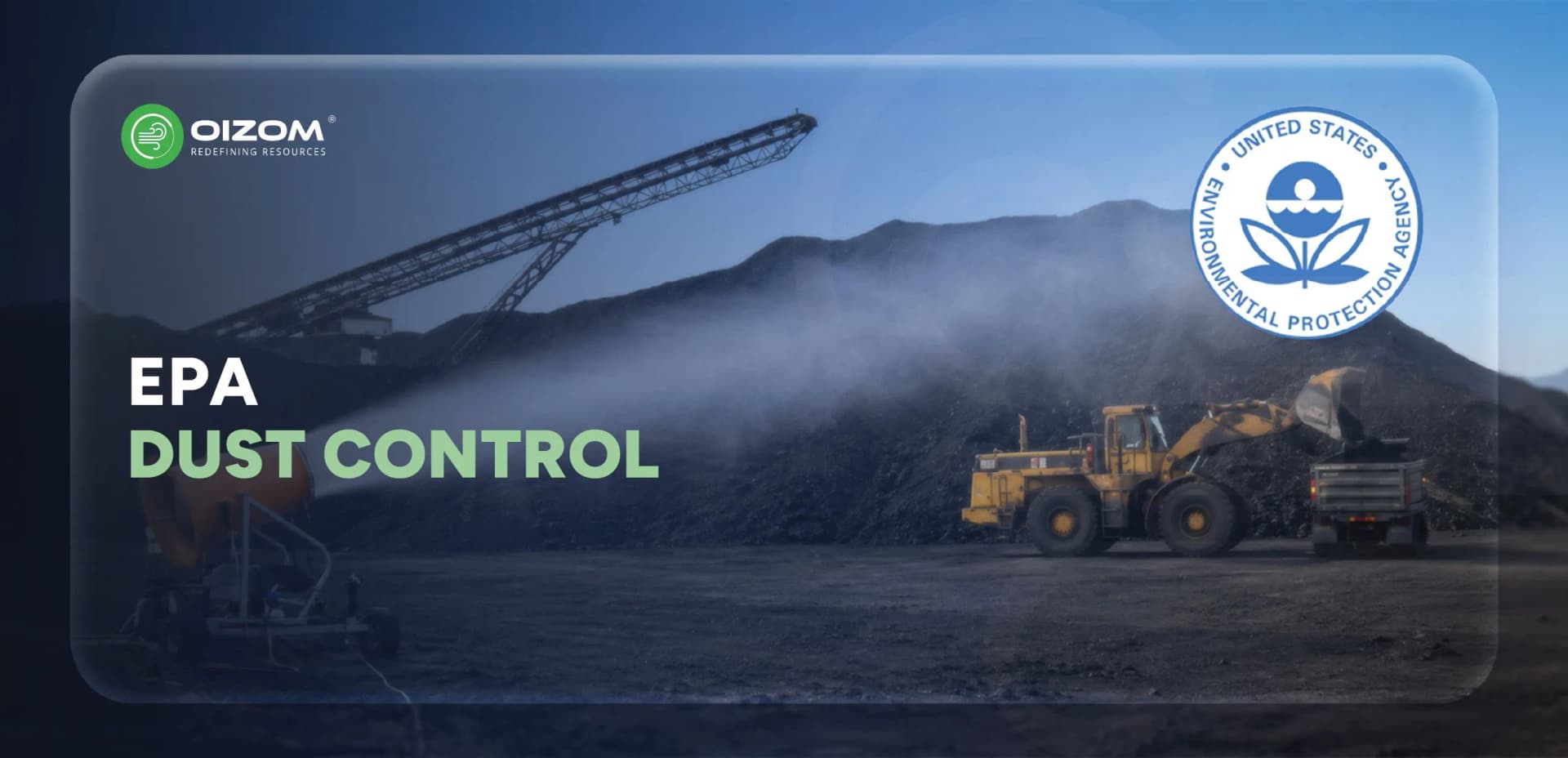
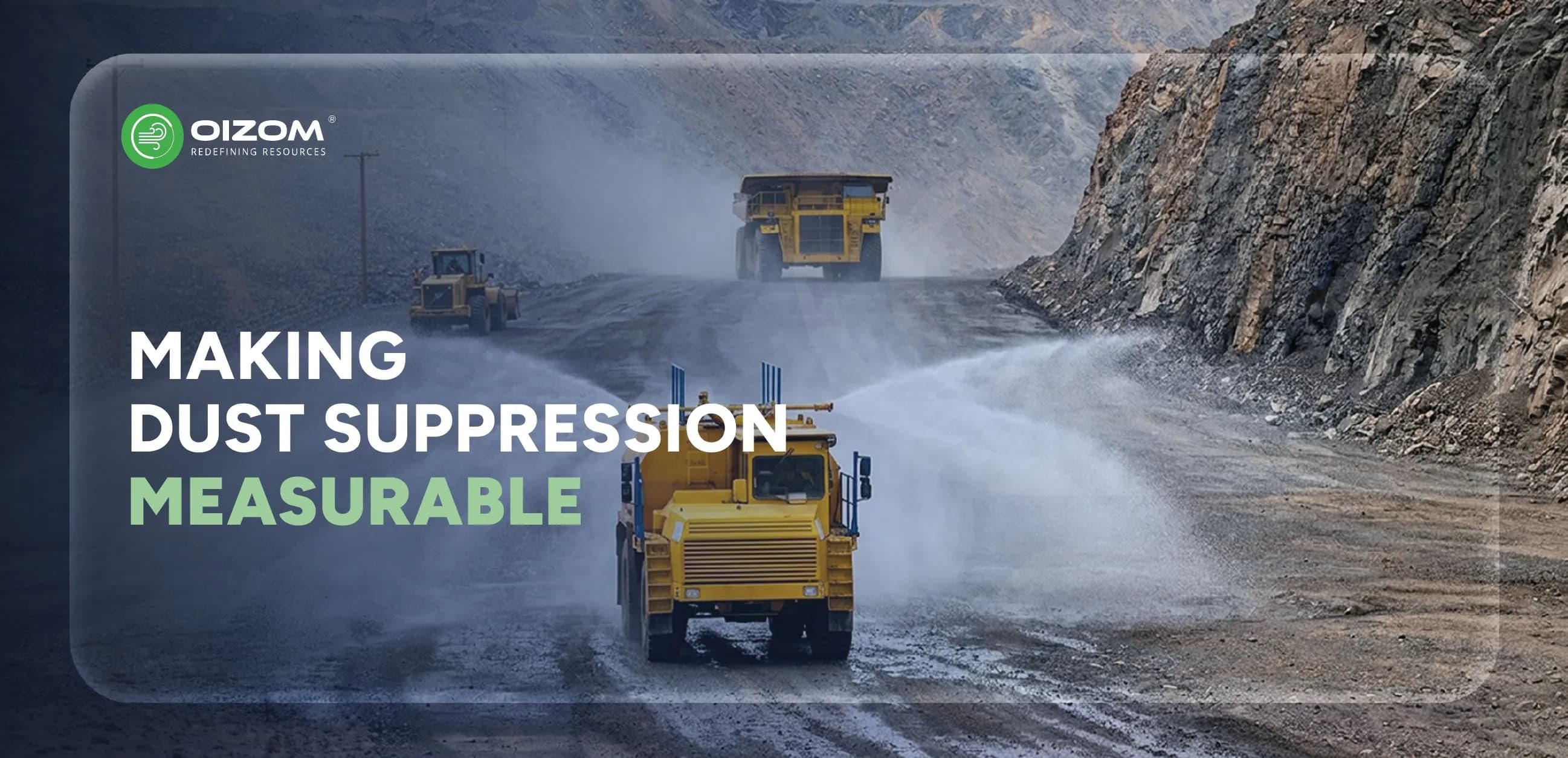
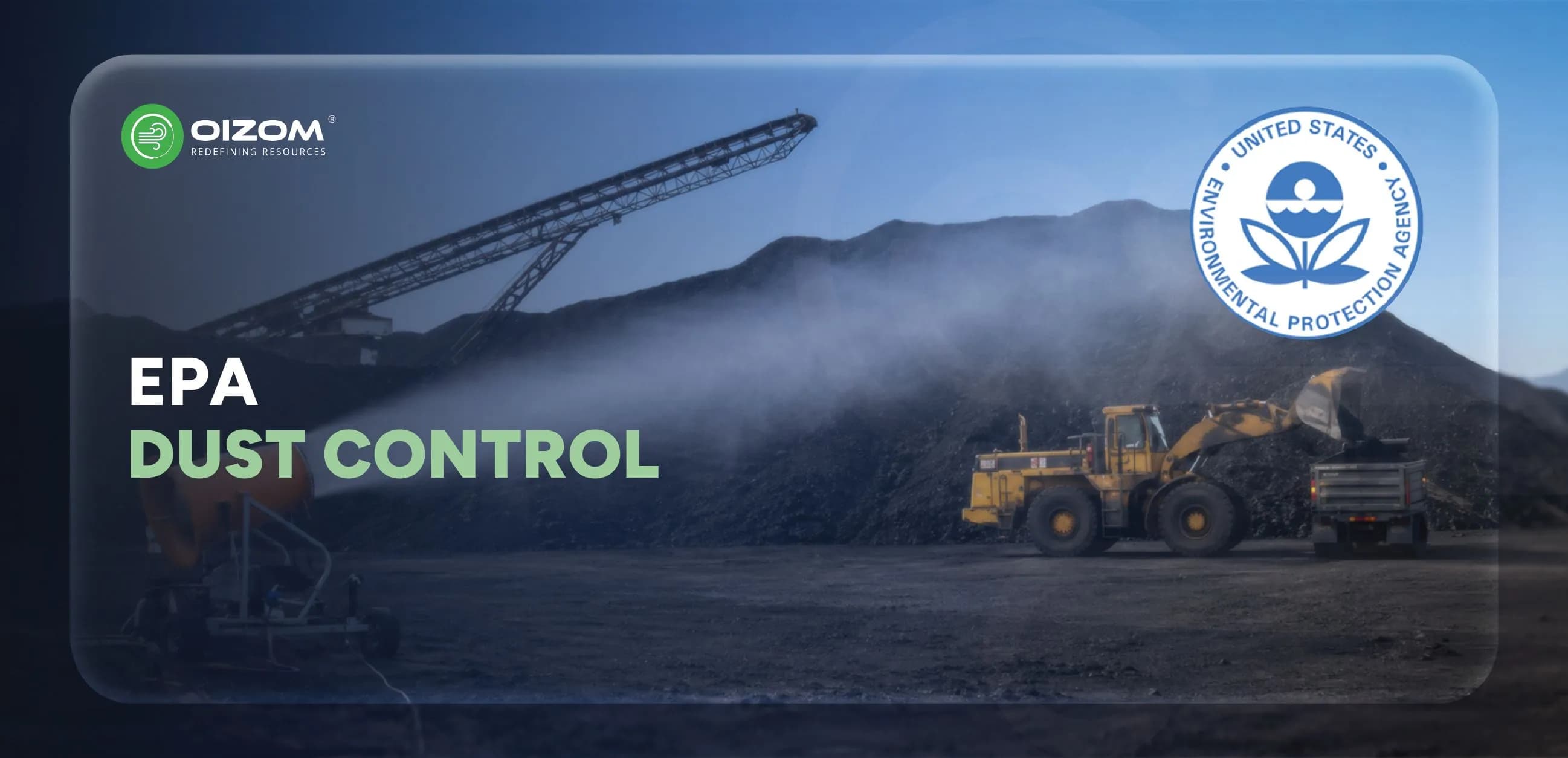
Water and Dust Suppression: According to recent studies, water sprays and dust suppressants can reduce airborne dust by up to 70%, especially relevant to sectors like construction and mining. With Oizom’s 360-degree air quality monitoring solution, companies can automate dust suppression methods. So, when pollution crosses the set limit, dust suppression methods start working automatically. This will reduce the potential hazards of excessive dust.
Seeking Treatment: Current Therapies and Research Frontiers
While prevention remains paramount, for many already affected, the focus shifts to treatment and symptom management:
Pharmacological Interventions: Current treatment modalities include bronchodilators, which help in easing breathing, and corticosteroids to manage inflammation.
Oxygen Therapy: For those with advanced silicosis, supplemental oxygen becomes crucial, aiding in breathing and maintaining oxygen saturation.
Lung Transplants: In extreme cases, when lungs are significantly compromised, a transplant emerges as a viable option. Research is underway to streamline transplantation processes and improve post-transplant outcomes.
Conclusion
Silica dust, a seemingly innocuous byproduct of many industrial processes, has become a formidable health hazard. As we continue our technological and infrastructural advancements, pausing to consider the environmental and health toll is imperative. Through awareness, technological innovation, and global collaboration, we can forge a path where progress does not come at the cost of well-being.
Oizom empowers you to monitor 30+ environmental parameters and take quick mitigation actions. Choose Oizom, choose sustainability.


.be0dea41.svg)