
Summary
Hazardous dust falls into four main categories, each with distinct health risks: silica dust (linked to silicosis), coal dust (linked to pneumoconiosis, or "black lung"), asbestos dust (linked to mesothelioma), and metal dust from heavy metals like lead and arsenic (linked to cancer and neurological damage). A fifth category, combustible dust, poses a fire and explosion risk rather than a purely health-based one, even from otherwise low-toxicity materials like wood or grain. Beyond classification, exposure risk depends heavily on duration and concentration, which is why engineering controls, PPE, and regular air quality monitoring are the standard lines of defence across all five types. This guide breaks down each category, its specific health effects, and the safety measures used to manage it.
Introduction
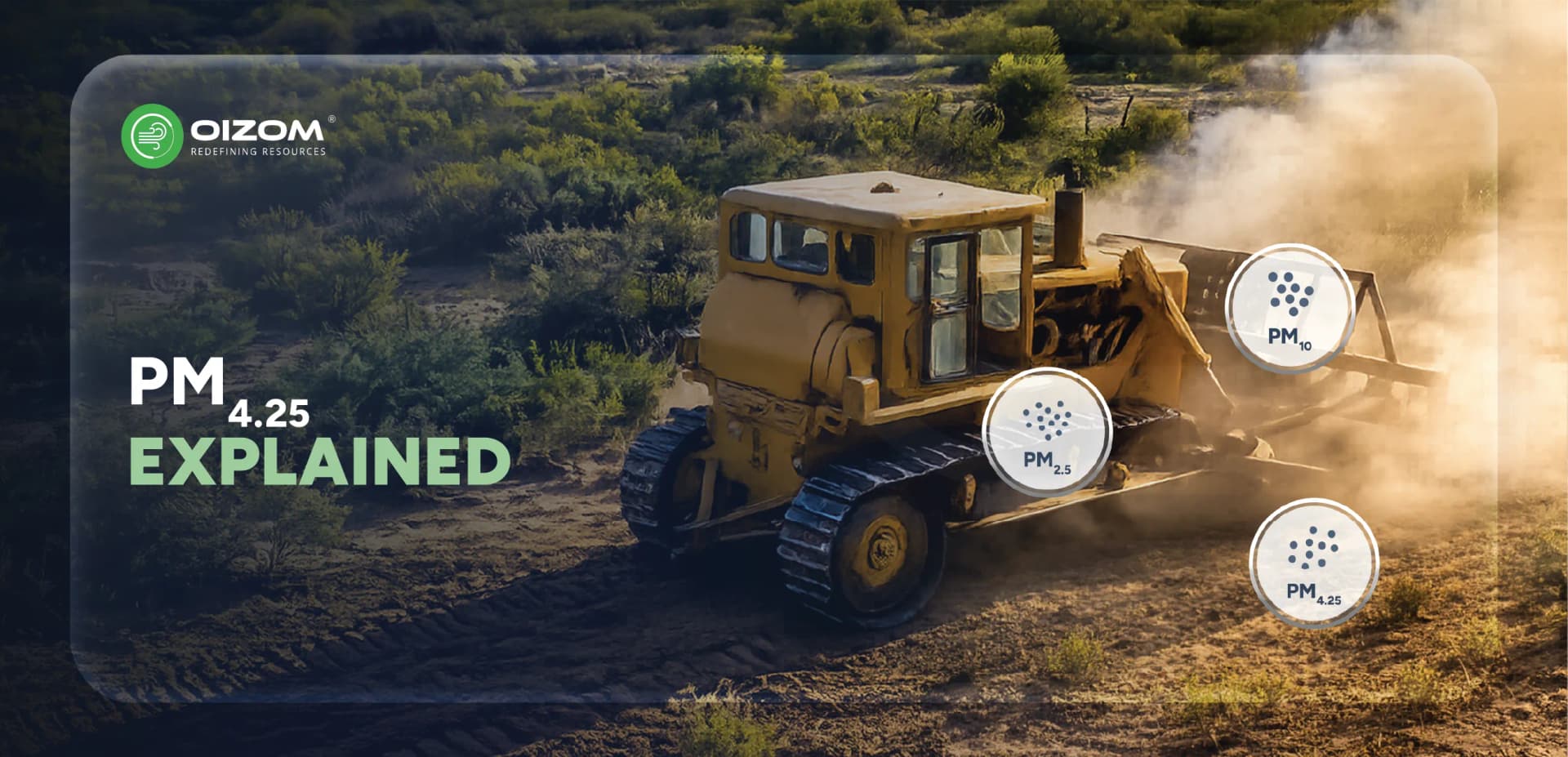
Hazardous dust, which arises from many sources, from industrial activities to natural events and human endeavours, represents a varied spectrum of airborne particulates. Dust comprises microscopic solid particles suspended or distributed in the air. Different types of dust vary in particle size, chemistry, and reactivity. Each has a unique impact on our health and the environment. These minuscule particles, usually invisible to the naked eye, carry harmful substances, including silica, coal dust, asbestos fibres, and various metallic compounds.
As stewards of the environment, we must highlight the often-neglected issue of hazardous dust. Understanding its various forms, pinpointing its sources, and recognising its potential impacts on health and the environment are crucial steps in raising awareness. This knowledge is not just academic; it empowers individuals and communities to take precautionary actions to protect themselves and their environment.
This comprehensive guide explores hazardous dust, including its classification, types, and the safety measures and compliance strategies essential to protecting health and preserving the environment.
Classification of Hazardous Dust
Hazardous dust is not a single entity but a diverse category of particles, each with unique properties and health implications. In this section, we explore the primary types of hazardous dust - silica, coal, asbestos, and metal dust - and the health risks associated with each.
.jpg)
Silica Dust
Silica dust, the most prevalent form of hazardous dust, is derived from materials like rocks, sand, and human-made products such as glass and ceramics. Its omnipresence in construction and manufacturing makes it a common occupational hazard. When inhaled, silica particles can penetrate deep into the lungs, leading to silicosis. Silicosis not only impairs lung function but can also be fatal. The microscopic size of silica particles makes them particularly dangerous, as they can evade the body's natural respiratory defences.
Coal Dust
Coal dust, another prominent hazardous dust, originates from the mining and combustion of coal. It consists of fine coal particles that, when inhaled, can accumulate in the lungs, causing pneumoconiosis, colloquially known as "black lung disease." This condition is characterised by coughing, shortness of breath, and significant lung damage, impacting the quality of life and leading to severe respiratory distress. Coal industry workers are most vulnerable to this dust type, so stringent safety measures are needed to reduce exposure.
Asbestos Dust
Asbestos dust comprises tiny fibres previously used in various products, including building materials and insulation. Its use has declined significantly since its carcinogenic nature was discovered. Inhalation of asbestos fibres can lead to mesothelioma, a rare and aggressive form of cancer primarily affecting the lining of the lungs. Asbestos dust is particularly insidious because of its long latency period; symptoms may appear decades after exposure, making early detection challenging.
The three main types of asbestos are brown asbestos (amosite), blue asbestos (crocidolite), and white asbestos (chrysotile). Asbestos dust doesn't show any of these colours once airborne; read our guide on what asbestos dust actually looks like to learn how to identify it.
Dust from Metals
Metal dust, especially from heavy metals like lead, arsenic, and chromium, poses a grave health risk. When inhaled, these metallic particles can cause an array of health issues, including cancer, neurological disorders, and respiratory problems. Workers in metal processing and manufacturing industries are most at risk. Metal dust toxicity varies by metal type, with some metals having cumulative effects that can develop over prolonged exposure.
Combustible dust
Beyond the toxicological risks above, some dust types carry a distinct hazard: fire and explosion. Fine combustible particles, including certain wood, grain, sugar, and metal dusts, can ignite explosively when suspended in air at the right concentration, a risk classified separately under OSHA's hazard-communication standards for combustible dust. This is a fire-safety and facility-design concern as much as a health one, and it applies even to dusts that aren't otherwise toxic.
Health Risks of Hazardous Dust
Exposure to hazardous dust can result in a spectrum of health problems, including severe lung diseases (silicosis, pneumoconiosis, mesothelioma), various forms of cancer, neurological issues, and general respiratory complications. The severity of these conditions often depends on the duration and intensity of exposure.
Understanding hazardous dust classification and its health implications is essential for effective risk management. Awareness and adherence to safety protocols are vital in protecting individuals from these insidious environmental hazards.
As per the HSE (Health and Safety Executive UK), Silica dust is the second most significant cause of lung disease in workers after asbestos, killing over 500 construction workers in the UK every year. Despite these high fatalities, many construction workers are unaware of when harmful silica particles are released.
As per the study, the outlook for mesothelioma is poor. Unfortunately, only 50% live beyond a year, and only one in 10 people live beyond 5 years after diagnosis.
Metalliferous ores such as silver, uranium and nickel contain toxic dust that adversely impacts the respiratory system. Compounds can also be absorbed into the bloodstream via the alveolar walls. These compounds are poisonous to body tissue and several organs and can cause severe lung inflammation. These elements are mainly released through mining activities; copper and zinc also have a significant impact.
Safety Measures and Compliance
When dealing with hazardous dust, safety measures and compliance are not just best practices; they are essential to protect human health and the environment. This comprehensive approach includes engineering controls, personal protective equipment (PPE), respiratory protection, and adherence to regulatory standards.
Engineering Controls:
Engineering controls form the backbone of hazardous dust management. These methods focus on either removing the hazard at the source or isolating it to prevent widespread exposure. In industrial settings, these controls are implemented through various techniques:
- Local Exhaust Ventilation: This system captures dust particles at the source through exhaust hoods and ducts, effectively preventing their spread into the workplace. It’s particularly effective when dust generation is high in sanding, grinding, or cutting operations.
- Enclosure and Isolation: Enclosing processes that generate dust or isolate them in dedicated areas can significantly reduce the spread of dust into more expansive working spaces.
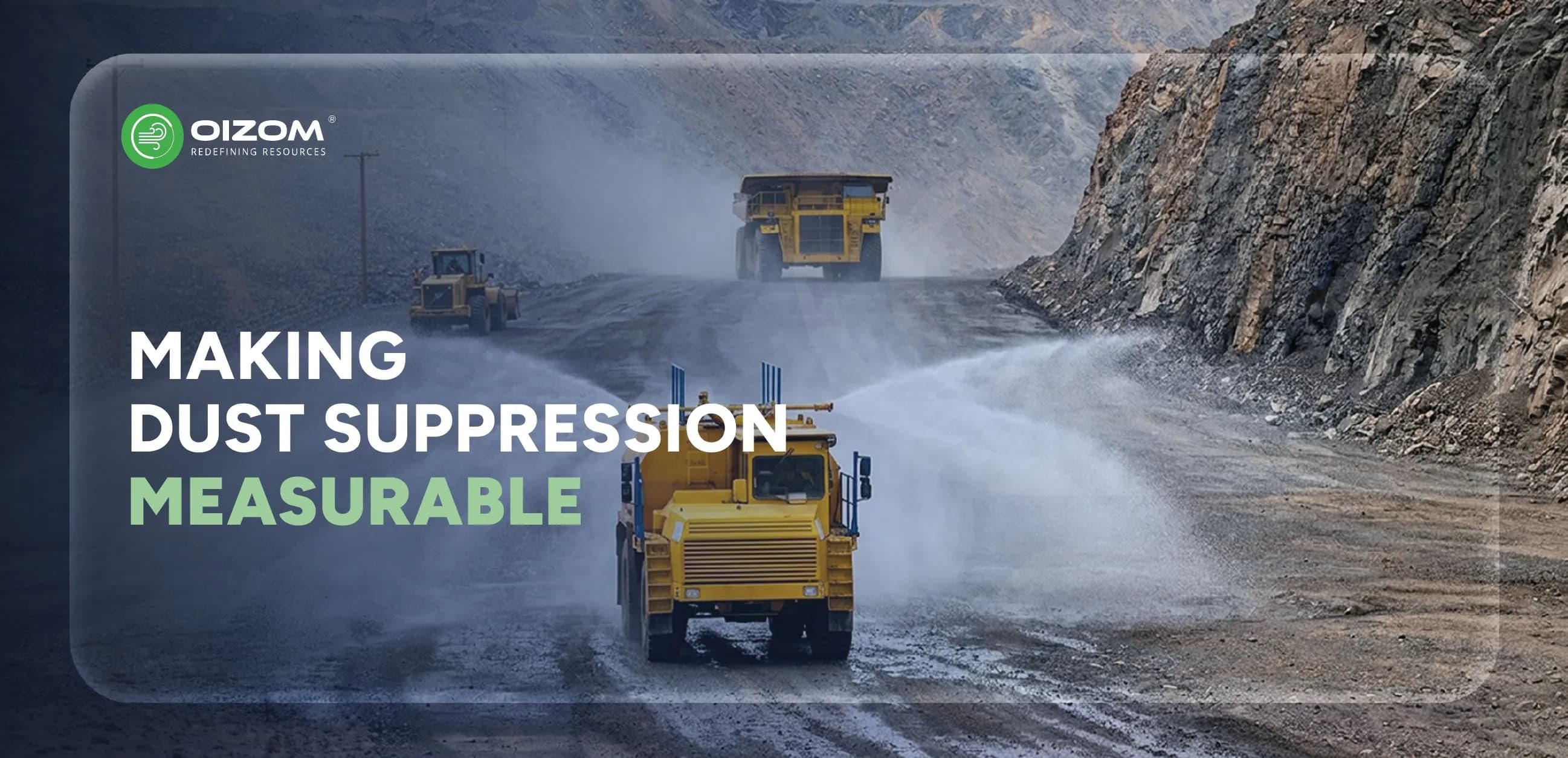
- Wet Methods: Applying water or other liquids during operations like drilling or demolition suppresses dust generation. This method effectively reduces the airborne dust concentration, thereby minimising inhalation risks.
Personal Protective Equipment (PPE):
When engineering controls alone are insufficient, PPE acts as a critical line of defence against hazardous dust:
- Respirators: These are crucial in environments with high dust concentrations. Different filters or cartridges target specific dust types, ensuring adequate protection.
- Eye Protection: Safety goggles or glasses shield the eyes from dust particles, preventing irritation or damage.
- Skin Protection: Protective clothing like gloves and coveralls prevent direct skin contact with dust, reducing the risk of irritation or allergic reactions.
Respiratory Protection:
In environments where dust levels are exceptionally high and other controls are not fully adequate, respiratory protection becomes vital:
- Respirator Selection: Choosing a suitable respirator is critical. Per occupational safety and health guidelines, it should match the specific dust hazard and its concentration.
- Fit Testing and Training: Proper fit testing and training in respirator use are essential to ensure that they provide the intended level of protection.
Compliance:
Compliance with safety regulations is not optional but a legal and ethical necessity. This involves:
- Regular Monitoring and Risk Assessments: Regularly assessing the workplace for dust hazards and monitoring dust levels helps maintain compliance with occupational safety standards.
- Training and Education: Employees should be trained on the risks associated with hazardous dust, proper use of PPE, and emergency procedures.
- Documentation and Reporting: Maintaining records of safety measures, incidents, and compliance efforts is crucial for regulatory purposes.
- Continuous Improvement: Safety protocols should be regularly reviewed and updated based on new research, technology, and regulatory changes.
Conclusion
As we conclude this comprehensive guide on hazardous dust, it's clear that the silent threat posed by these minute particles is complex and far-reaching, significantly impacting human health and the environment. This pervasive danger, often overshadowed by more visible environmental challenges, calls for our collective awareness and proactive action.
With solutions like Oizom's Dustroid, you don't have to worry about classifying different types of particulate matter yourself. The advanced dust monitor provides data on all types of dust in the air, prompting smart mitigation actions.


.be0dea41.svg)