
We use cookies to ensure that we provide you with the best experience on our website. By clicking “Accept” you agree to our use of cookies and continue browsing on this site.

London, United Kingdom

June 2025

Airport

Heathrow Airport

Oizom Air Quality Monitors

Airport Environmental Monitoring
Heathrow Airport, one of the world's busiest international airports, handles continuous aircraft, ground support, and landside vehicle activity, all of which contribute to the local air quality footprint of the airport and its surroundings.
As part of its environmental and sustainability goals, the airport launched a long-term ambient air quality monitoring project covering particulate matter (PM), nitrogen dioxide (NO₂), and total volatile organic compounds (TVOCs).
A sudden spike in NO2 concentration underscored the need for a dedicated monitoring network to trace pollutant sources and provide a continuous, long-term baseline.
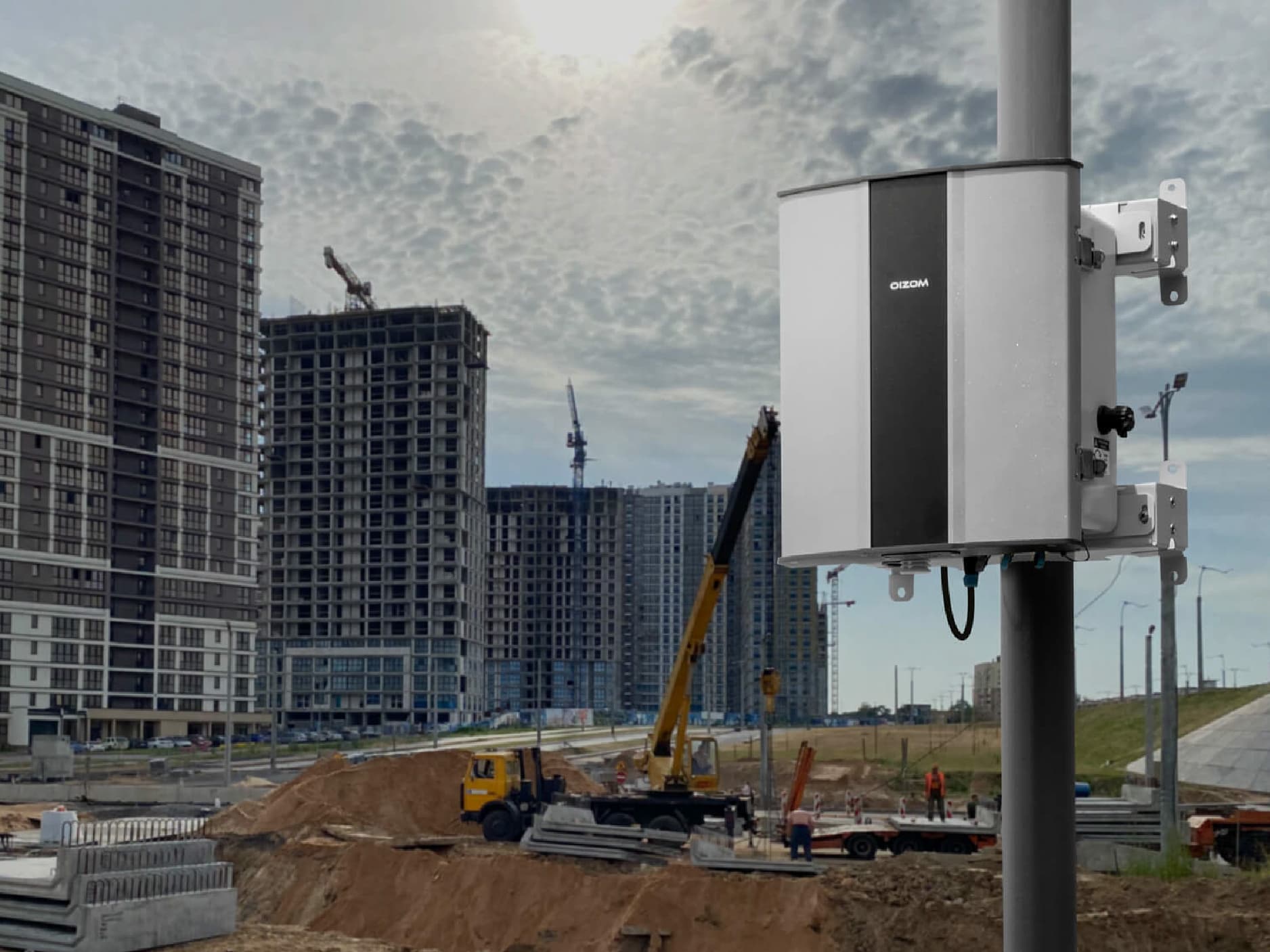
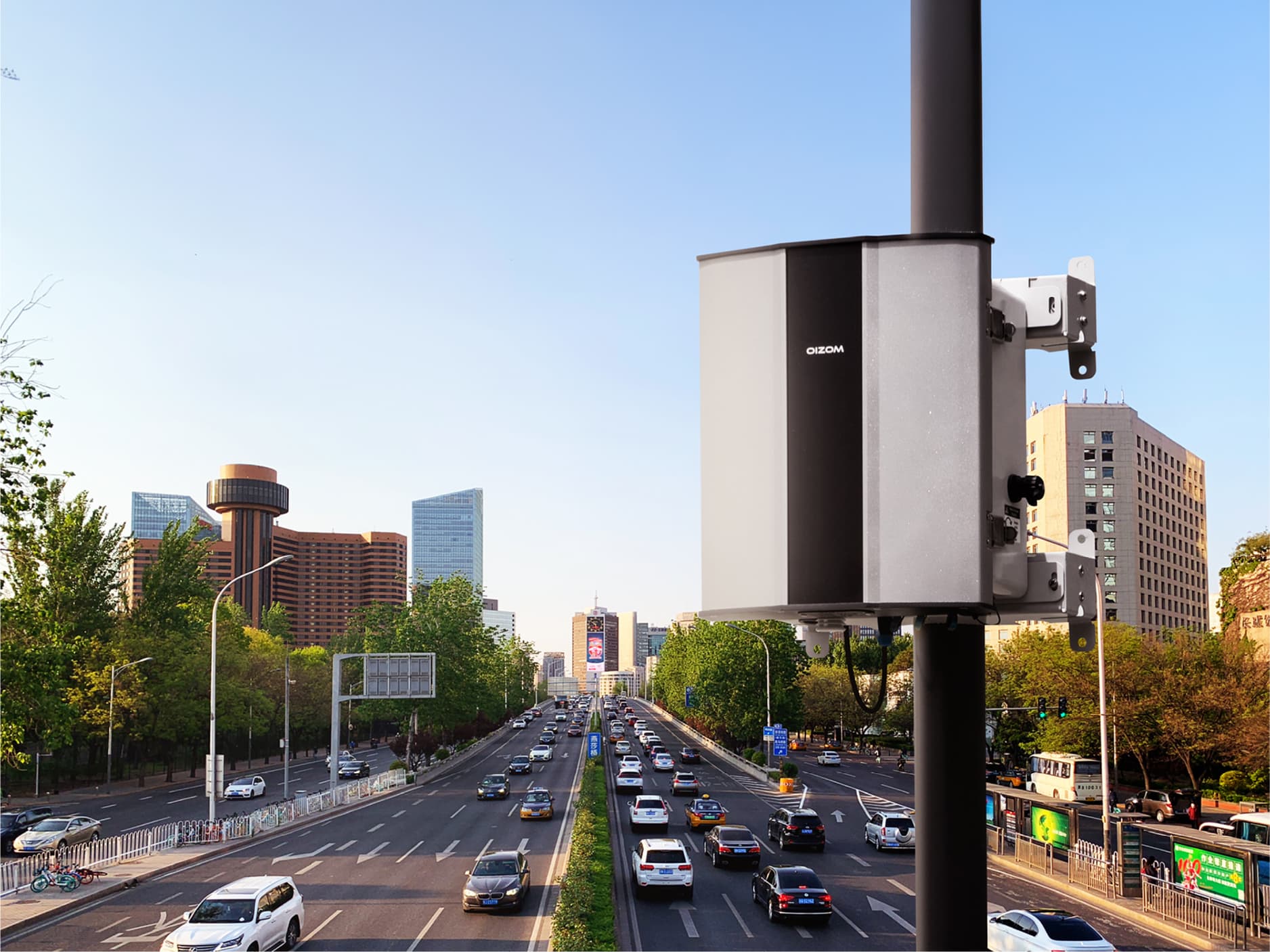
To meet this need, two customized Oizom ambient air quality monitors were deployed across the airport, operating entirely on solar power and streaming data to the Envizom platform, where custom alert thresholds notify the team in real time when pollutant concentrations exceed predefined limits.
02 | 05 | 24/7 |
Airports are among the most complex air quality environments to characterize. Pollutant concentrations can vary sharply between locations only a few hundred meters apart and can rise and fall within a single operational peak.
Heathrow's situation added two specific dimensions to this general challenge:
The project therefore required a monitoring approach that could:


Oizom’s innovative technology has redefined environmental monitoring by providing highly accurate and actionable data on various atmospheric parameters. Our offerings include weather stations, pollution tracking, and noise monitoring solutions. With seamless integration into smart city infrastructure, Oizom’s tools enhance decision-making, compliance monitoring, and community engagement towards a greener planet.

Heathrow Airport deployed 2 Custom-Configured devices, selected because their configuration matched the airport's target parameters for particulate matter, NO₂, and TVOC, while providing the flexibility and autonomy the site demanded.
The decision was driven by:
Monitoring locations were strategically selected based on key emission sources and the proximity of sensitive receptors. Because airport expansion works were underway at the time of deployment, the network was explicitly designed to assess air quality in the areas most likely to be affected by those works, ensuring compliance with applicable air quality limits and enabling early identification of potential exceedances.
Both customized devices operate entirely on solar power and continuously transmit data to Envizom, where the team monitors current and historical concentrations. Custom thresholds on key parameters generate real-time alerts, and the team conducts weekly checks of the data, alerts, and reports to verify that the network remains accurate and suitable for continuous air quality monitoring.
| Category | Parameters Measured |
| Particulate Matter | PM1 (very fine), PM2.5 (fine respirable), PM10 (inhalable), and PM100 |
| Gases | NO₂ (Nitrogen Dioxide) |
| Volatile Organics | TVOC |
The monitors have demonstrated reliable and consistent performance since deployment. Weekly data, alert, and report reviews have confirmed that measurements remain accurate and dependable for continuous, long-term air quality monitoring.
Beyond validating what was already suspected about NO₂ levels, the network has begun producing operationally actionable findings. The monitoring identified short-term increases in particulate matter and gaseous pollutants during peak operational periods, patterns that would not have been visible in averaged or off-site data, and these have since been addressed.
A Continuous, Site-Specific Air Quality Baseline
From Data to Mitigation
Real-Time Exceedance Awareness
Autonomous, Sustainable Operation
For a team that previously had little direct visibility into its own air quality, the deployment has changed the fundamentals: unexplained emission spikes are no longer unanswerable events, but something the network can localise, time-stamp, and place in context alongside PM and TVOC behaviour across the site.
By combining source-oriented siting, multi-parameter solar-powered monitors, and real-time alerting through Envizom, Heathrow Airport has established a long-term monitoring capability that supports compliance during expansion, informs targeted mitigation, and turns air quality from an external unknown into a continuously measured input for decision-making at one of the world's most important airports.




.svg)