
We use cookies to ensure that we provide you with the best experience on our website. By clicking “Accept” you agree to our use of cookies and continue browsing on this site.

Croatia

April 2026

Seaport

Zadar Port Authority

Polludrone Smart

Port Air Quality Monitoring
The Port of Zadar, one of Croatia's most economically significant Adriatic gateways, deployed a hybrid air-quality monitoring network that combines its two reference stations with five Oizom Polludrone sensor stations, all unified on the data visualization platform, Envizom. Through third-party data integration, the reference stations were brought into Envizom alongside the sensors, giving the port a single screen for every data source across the entire port area.
The result is a monitoring architecture rarely seen in real-world deployments: reference instruments and sensor nodes, visualised together, with sensors calibrated against reference stations, generating defensible, research-grade air quality data across one of the Adriatic's busiest maritime gateways.
05 | 02 | 24/7 |
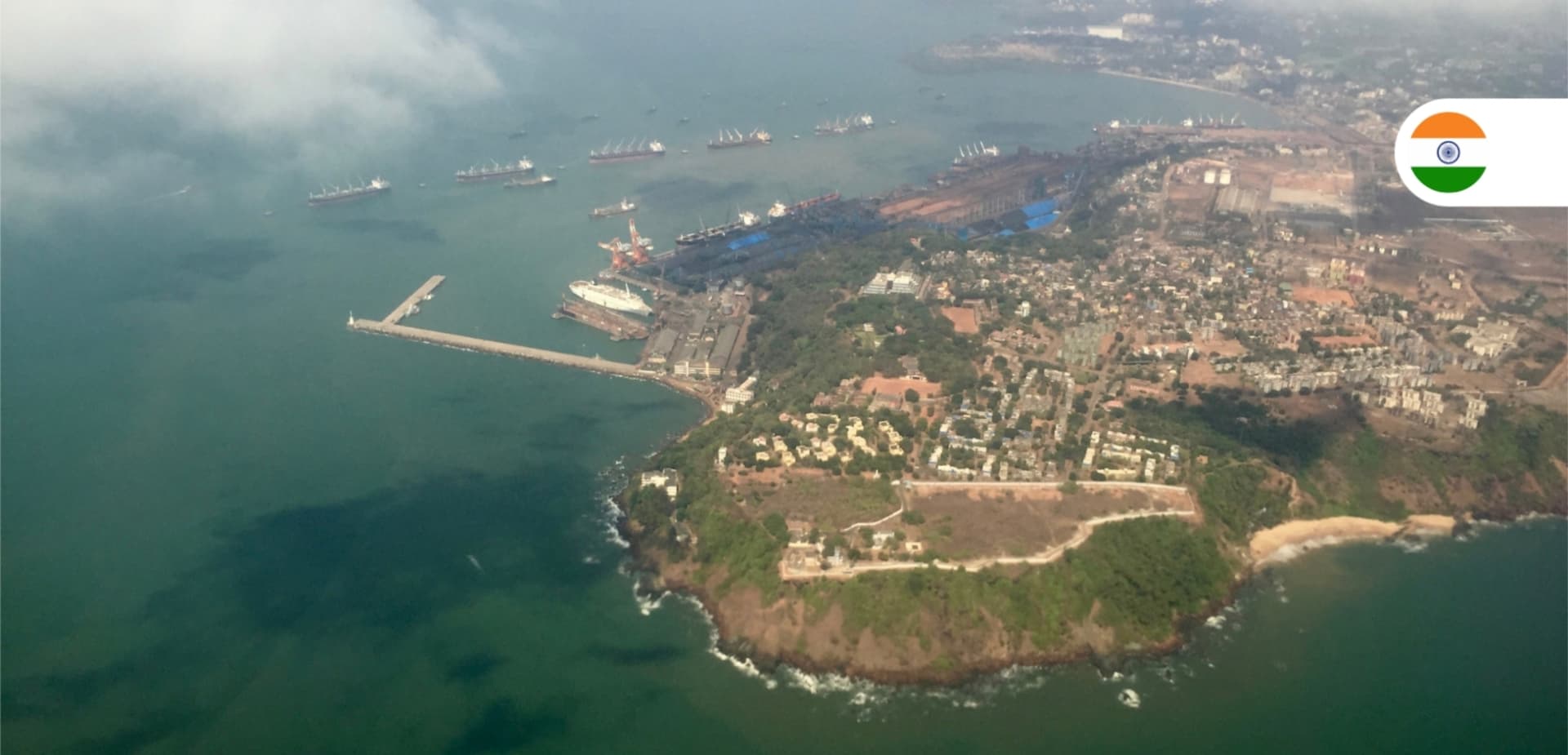
Zadar is one of six Croatian ports classified as being of special international economic importance, and it ranks among the three most-visited cruise destinations in the country. The port handles roughly 2.5 million passengers a year, making it one of the busiest points on the entire Adriatic coast.
Zadar is a tourism, transport, and trade hub, with activity spiking sharply in summer, when ferry, cruise, cargo movement, and road traffic around the port peak.
The port is also embedded within urban infrastructure; hence emissions generated at the waterfront directly reach the people living and working around the port. For a site of this economic significance within a densely populated coastal city, understanding air quality is a prerequisite for responsible operation.
The Port of Zadar lacked an air quality monitoring network to assess pollution levels during the peak tourist season. With multiple emission zones across the port, a single monitoring point could not capture air-quality variation. Fishing areas, cruise berths, industrial zones, and ferry terminals each have distinct activity patterns and emission profiles, so monitoring multiple locations is needed to capture a complete picture of port-wide air quality.
The port needed answers to questions that a basic monitoring setup could not resolve:
Operating in Europe also entails a stricter calendar of environmental inspections and regulatory checkpoints throughout the year, raising the bar for data defensibility. Answering these questions required more deliberately placed data points and a way to trust each of them.
Oizom’s innovative technology has redefined environmental monitoring by providing highly accurate and actionable data on various atmospheric parameters. Our offerings include weather stations, pollution tracking, and noise monitoring solutions. With seamless integration into smart city infrastructure, Oizom’s tools enhance decision-making, compliance monitoring, and community engagement towards a greener planet.

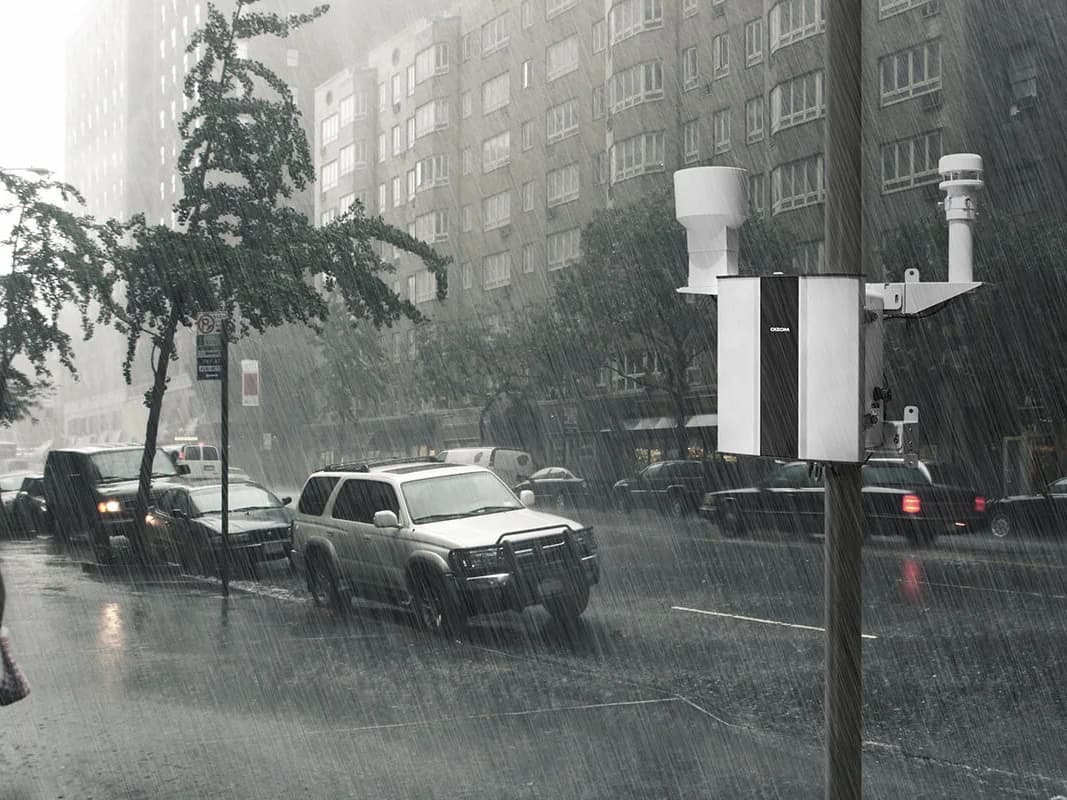
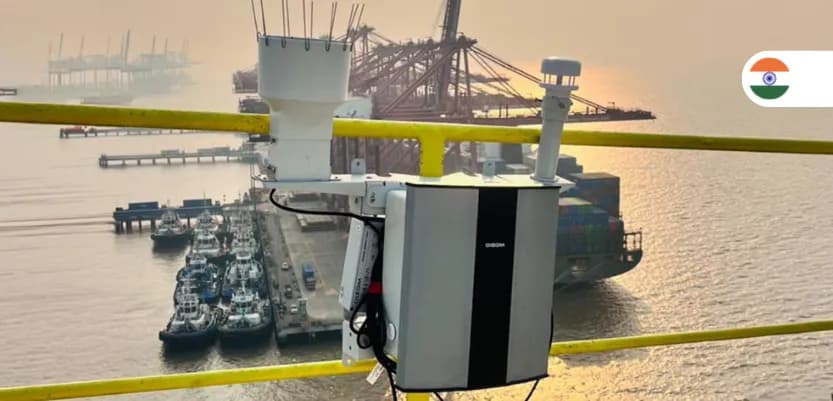
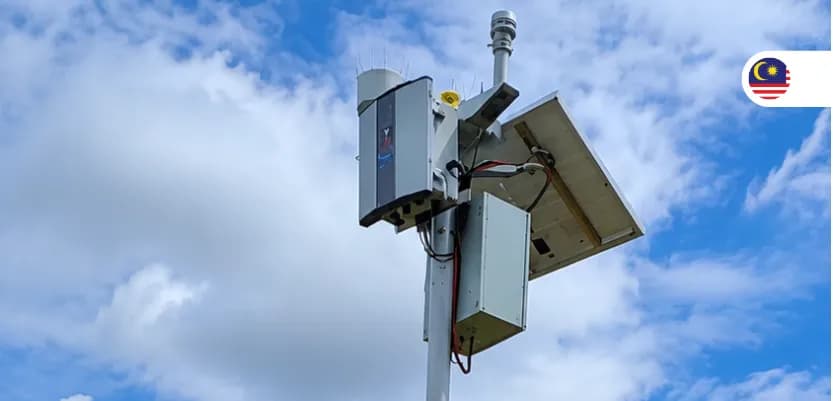
The Zadar Port Authority adopted a hybrid model along with Ekonerg & Oizom, installing two reference stations and five Polludrone Smart sensor stations at the same time.
One sensor is co-located with a reference station as the control sensor, and the other four are strategically placed across the port, each capturing a distinct emission profile. The sensor locations were selected based on Ekonerg’s air quality study, which identified the parts of the port most affected by emissions from ships at berth.
| Station | Location | What It Captures |
1 | Fisheries area | Emissions tied to fishing operations and adjacent activity |
2 | Ferry terminal area | High-frequency ferry and vehicle traffic emissions |
3 | Cruise berth | Emissions where cruise ships dock and idle |
4 | Industrial site | Cargo handling and industrial-source pollution |
5 | Co-located with a reference station | Direct sensor-vs-reference comparison for calibration and data-quality validation |
One Polludrone is co-located with a reference station, enabling both systems to collect data from the same location and allowing their measurements to be evaluated alongside the reference data. The insights from this co-location support sensor calibration and data alignment across the other four Polludrone units deployed throughout the port. This approach combines the established reference infrastructure with distributed sensor monitoring, extending high-resolution environmental visibility across multiple areas of the port.
| Category | Parameters Measured |
| Particulate matter | PM1 (very fine), PM2.5 (fine respirable), PM10 (inhalable), and PM100 |
| Gases | SO₂ (sulfur dioxide), NO (nitrogen oxide), and NO₂ (nitrogen dioxide) |
| Meteorology | Atmospheric pressure, temperature, relative humidity, wind speed, wind direction |
Oizom was chosen for a combination of reasons that mattered specifically to a research-grade, regulation-aware port deployment:
Oizom's Polludrone is continuous ambient air quality monitoring system, engineered to deliver reliable, high-resolution data closely aligned with reference measurements. It uses Oizom's patented e-breathing sampling technology, which mimics human breathing to ensure the air reaching each sensor is consistent and improves measurement reliability in challenging environments such as a working port. The system is designed for continuous operation, capturing changes in pollution levels as activities and conditions across the port evolve.
Because the port's interest is deep pollution analysis and research, the five Polludrone Smart units were configured around a specific set of parameters chosen for this study rather than a generic default. The selection was designed to support detailed source analysis and the academic research underway, while also keeping the regulatory landscape and the port's operational environment in view.
.png)
.png)
The hybrid network has given the port a denser, more trustworthy picture of air quality than reference stations alone could provide.
The single most important outcome of this project is integration.
Envizom, Oizom's cloud-based environmental monitoring platform, doesn't just visualize the five Polludrone sensors. Because Envizom supports third-party data integration via REST APIs, the port's reference stations were also connected to Envizom. Every data source in the port- reference-grade and sensor-based alike- now lives on a single dashboard, comparable in real time, exportable in the same reports, and analyzed with the same tools.
For a port running calibration studies, data-quality assessments, and academic research simultaneously, having reference and sensor data under one roof is transformative.
Envizom adds the analytical layer the project depends on: customizable dashboards, smart threshold alerts by SMS/email/push, automated daily/weekly/monthly compliance reports, heatmaps, historical views, and AI-powered analytics, with AES-encrypted security and flexible cloud or on-premises deployment.
By adopting a hybrid system, reference-plus-sensor architecture unified on the data visualization platform, Envizom, the Port of Zadar has built a monitoring system that is research-grade. The solution strengthens the port's ability to understand emissions at the zone level, supports data-driven environmental decisions, and lays the groundwork for academic research into the relationship between port traffic and air quality, all while protecting the public health of the surrounding coastal city.
It also creates a consistent data framework across different monitoring points, making it easier to compare conditions across operational zones and identify changes over time. This provides the port with a stronger evidence base for environmental planning, operational improvements, and future research initiatives.

.jpg&w=1920&q=75)


.svg)



.webp&w=3840&q=75)