
Summary
Air pollution from agriculture refers to agricultural practices that generate various air pollutants, including gases and particulates. Agricultural activities release harmful gas emissions, such as ammonia (NH₃), methane (CH₄), nitrous oxide (N₂O), particulate matter (PM₂.₅ and PM₁₀), and nitrogen oxides (NOₓ). The emissions from these farming practices lead to deterioration in air quality, increased human health problems due to respiratory and cardiovascular disease, and contribute to global warming. Monitoring air quality in agricultural areas is essential for understanding the sources of air pollution and developing better solutions to reduce it. There are best management practices that can be implemented to reduce air pollution while maintaining a productive farm, such as improving how fertilizers are applied, how manure is managed, and how much is burned, and using farm equipment that produces less pollution.
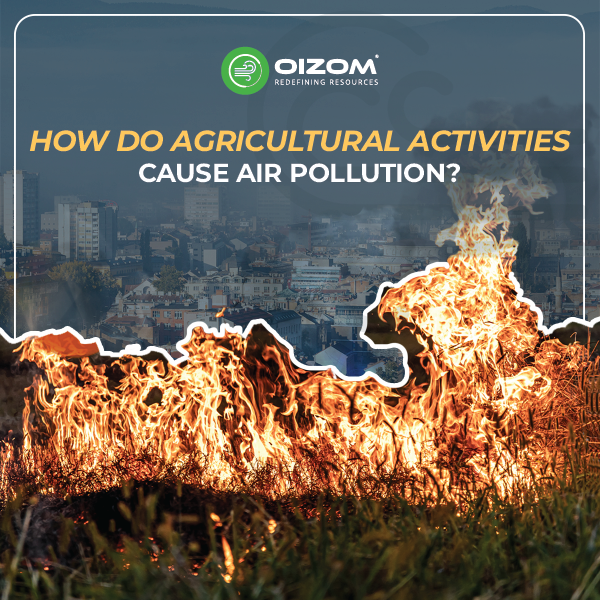
How Do Agricultural Activities Cause Air Pollution?
Agriculture can be considered part of the natural environment, but there is significant concern about the extent of air pollution from agricultural activity. Agricultural activities produce significant emissions into the atmosphere worldwide, contributing to climate change and air quality degradation. Use of fertilizers, livestock, machinery, and crop residues as everyday components contributes to air pollution that affects both rural and non-rural populations. Countries with extensive, intensive agriculture-based economies, such as India, see significant contributions from agriculture to seasonal air pollution. Understanding how agricultural activities contribute to seasonal air pollution is important for finding ways to produce food while preventing further environmental damage.
What Counts as Agricultural Air Pollution?
Agricultural air pollution includes all types of pollution released into the air due to the day-to-day activities of Farming.
There are also small amounts of agricultural air pollution resulting from common farming practices, including gases from fertilizers, gases and dust from livestock waste, dust from plowing, and exhaust from diesel-powered farm equipment.
In countries like India, agriculture contributes significantly to seasonal air pollution. For instance, the post-harvest practice of burning stubble in northern Indian states produces large amounts of fine particulate smoke that can be carried thousands of miles away and cause air pollution in cities well beyond where the crops are grown. Additionally, practices such as using fertilizer or managing animal waste produce gases such as ammonia and nitrous oxide, which contribute to smog and are major contributors to climate change.
Because of their expansive geographic locations, these sources of emissions are often overlooked but have a significant impact on the environment and the air people breathe.
Agricultural Activities That Cause Air Pollution
Many common farming practices emit gases and particulate matter that degrade air quality in rural areas, significantly contributing to air pollution.

Crop Residue Burning
Many farmers clear their land after harvesting crops to plant new ones by burning the stubble of the old crop, such as rice or wheat. When burned, these old crops release large amounts of fine particulate matter (PM₂.₅ and PM₁₀), carbon monoxide, nitrogen oxides, and volatile organic compounds into the air.
Use of Fertilizers and Pesticides
Chemical fertilizers, most notably those containing nitrogen, emit ammonia (NH₃) when applied in the field. When in the atmosphere, ammonia can react with other air pollutants to form fine particulate matter (aerosols) that can adversely affect air quality. Fertilizers can also emit nitrous oxide (N₂O), which is a potent greenhouse gas. Large-scale pesticide applications can introduce VOCs into the atmosphere.
Livestock Farming and Animal Waste
Livestock such as cows release methane (CH₄) into the atmosphere through a process called enteric fermentation. Ammonia and hydrogen sulfide are released into the air when manure is stored or not treated. The emissions from livestock can create strong odors, degrade air quality, and contribute to climate change.
Agricultural Machinery and Diesel Equipment
Diesel is used to power tractors, harvesters, irrigation pumps, and other agricultural machinery. When these machines are in use, they emit exhaust pollutants, including nitrogen oxides (NOₓ), particulate matter (fine particles), and carbon dioxide (CO₂).
Soil Tilling and Field Preparation
The act of plowing, tilling, and preparing land for planting disturbs soil and releases dust into the air. This dust contains PM₁₀ and may also contain fertilizers or pesticides from previous uses of that ground.
Pollutants Released from Agricultural Activities
Farms produce a wide range of gases and particles that can harm air quality and the surrounding environment. They’re emitted through soil management, fertilization, livestock digestion, waste decomposition, equipment exhaust, and crop residue.
Key pollutants from agricultural activities include:
Ammonia (NH₃): Released into the atmosphere from the use of nitrogen fertilizers and animal waste. In the atmosphere, ammonia reacts with pollutants to create microscopic particles (PM₂.₅).
Methane (CH₄): Primarily released during the digestion of livestock (particularly cattle and buffalo) and as a result of breaking down manure in landfills.
Nitrous Oxide (N₂O): Nitrous oxide is a potent greenhouse gas produced when nitrogen-fertilized soil is broken down.
Particulate Matter (PM₁₀ and PM₂.₅): Generated from burning crop waste, dust created from plowing fields, and ammonia reacting with pollutants to create secondary particles in the atmosphere. These microscopic particles can easily enter our lungs.
Nitrogen Oxides (NOₓ): Produced by diesel engines used in farm equipment and by burning crop waste. These gases contribute to smog formation.
Carbon monoxide (CO): Farm equipment that runs on diesel and the burning of crop material create carbon monoxide (CO) when there is not enough oxygen for all gases to burn fully.
Carbon dioxide (CO₂): It’s emitted by the combustion of diesel fuel in farm equipment and by the burning of agricultural waste. These emissions contribute to climate change.
The use of pesticides, diesel fuel, and the burning of biomass (i.e., leaving behind residual products to decay) releases volatile organic compounds (VOCs). In the presence of nitrogen oxides (NOₓ) and light, the VOCs contribute to the formation of ground-level ozone.
How Agricultural Air Pollution Affects Human Health
The negative impacts of air pollution from agricultural activity extend to human health, especially for people who live and work near farms. Respiratory irritants include pollutants such as particulate matter (both fine and coarse), particulate nitrogen ammonium ions, and nitrogen oxides, which can harm air quality. Fine particles can travel deep into your lungs and eventually enter your bloodstream, making breathing difficult.
Also, people who expose themselves to high levels of particulate matter and certain gases over long periods of time have a higher chance of developing heart disease and having a stroke.
Some people are more susceptible than others. Most children have developing lungs and are at risk from polluted air. Older individuals and individuals with existing cardiovascular or respiratory diseases are also at increased risk for developing complications related to their pre-existing condition when exposed to air pollution.
Farmers and farm workers are at a higher risk from exposure to air pollution than those individuals who do not work on farms, because they come in contact with contaminated dust, pesticides, animal waste emissions, and exhaust emissions from machinery; therefore, the effects of air pollution from agricultural activity will remain a major concern in both rural and occupationally-related health.
Environmental Impact Beyond Human Health
Greenhouse gases like methane (CH₄) from animal waste and nitrous oxide (N₂O) from fertilized soils are particularly significant contributors to climate change because they trap heat in the atmosphere, contributing to global warming.
Airborne ammonia and nitrogen oxides can land back on Earth via a process called deposition that changes soil chemistry, contributes to nutrient imbalances, and may result in overgrowth of plants (and lower oxygen levels) in water systems, harming aquatic species. Some of these pollutants also help form ground-level ozone, which damages crops, trees, and other plants from reaching their maximum size and productivity.
Also, smoke and other particulate matter produced when burning crop residue reduce visibility and block sunlight from reaching the surface, changing local weather patterns and affecting photosynthesis in plants.
Why Monitoring Agricultural Air Pollution is Crucial
Reliable emissions data is crucial; without it, we underestimate the contribution of rural areas to regional air quality and climate change. To identify where the highest levels of air pollution occur, when they occur, and what specific activities cause these emissions, it is essential to monitor both space and time.
Many agricultural areas (particularly rural areas) have a significant gap in the availability of air quality monitoring. The denser the networks in an urban area, the easier it is to assess the exposure risk experienced by individuals living in the vicinity. Using additional monitoring in these same areas will provide a better understanding of how ammonia, particulate matter, and greenhouse gases move through the air.
Policymakers can create appropriate regulations and support programs, while farmers and local communities can develop methods for reducing emissions from agricultural sources. As a result, monitoring serves as the basis for establishing sound solutions to improving air quality without decreasing agricultural productivity.
How Air Quality Monitoring Helps in Agricultural Areas
Air quality monitoring in agricultural areas relies on ground-based sensors that measure pollutants such as particulate matter (PM), ammonia (NH₃), nitrogen oxides (NOₓ), and ozone (O₃). These measurements show how pollution levels change over time and across seasons, helping identify emission sources such as crop residue burning, soil tillage, and fertilizer or manure application. Monitoring data also supports better planning and farm management by turning previously invisible emissions into measurable information that can guide policy decisions and improve agricultural practices.
Practical Ways to Reduce Air Pollution from Agriculture
However, there are a variety of possible methods that can lead to lower emissions of air pollutants, while maintaining or improving the efficiency of farms through:
Adopt alternatives to crop residue burning, like mulching, composting, or using the crop residue for bioenergy production or as livestock feed
Use fertilisers more efficiently through precise application, appropriate soil testing, and slow-release fertilisers, which can limit the release of ammonia and nitrous oxide.
Improve manure management through covering storage areas, using biogas digesters, and properly timing and applying manure to the field.s
Upgrade or maintain farm machinery to operate more efficiently and reduce exhaust emissions.
Reduce excessive tilling with conservation tillage or no-till methods to reduce air pollution (dust emissions) and improve soil health.
Integrate better farm planning, such as timing operations to minimize wind-caused dust emissions or pollutants.
In combination, these efforts can help farmers and policymakers reduce air pollution, improve air quality in local communities, and establish/maintain more sustainable farming systems without reducing crop production.
Conclusion
Farmers create both visible and invisible pollutants through their use of chemical fertilizers and livestock. Reducing these emissions is not impossible; with better monitoring and awareness, farmers can change how they manage their farms to reduce pollution. A healthier planet can be created by providing food to all and ensuring clean, pollutant-free air; it requires a collective effort to address this issue through informed, balanced approaches.
FAQs
Farming releases air pollutants through activities like crop residue burning, fertilizer use, livestock waste, soil tilling, and diesel-powered machinery.
Fertilizers mainly release ammonia (NH₃) and nitrous oxide (N₂O), both of which contribute to air pollution and climate change.
Yes, livestock produce methane (CH₄) from digestion and release ammonia and other gases from manure, which degrade air quality.
Yes, ground-based air quality monitors and sensors can track pollutants like particulate matter, ammonia, and nitrogen oxides in agricultural areas.
Farmers can cut emissions by using fertilizers efficiently, managing manure properly, avoiding residue burning, and maintaining cleaner machinery.