Seaport Air Quality and Weather Monitoring
Improve Environmental Visibility Across Seaport Operations
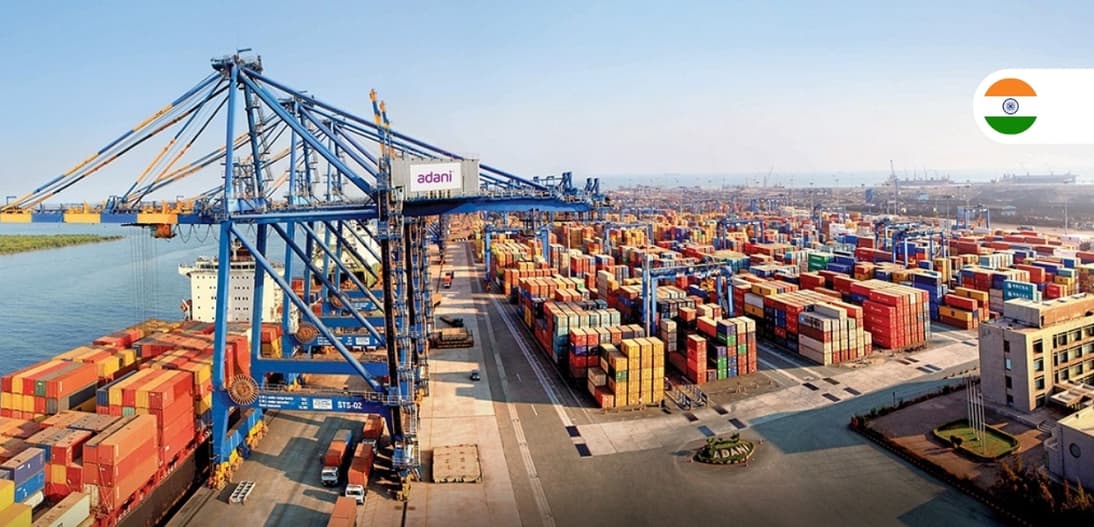
Seaports operate around the clock, making them continuous sources of dust and air emissions from vessel movements, cargo transfer, heavy machinery, and logistics activities. In addition, ships at berth continue running auxiliary engines, releasing pollutants such as particulate matter (PM), nitrogen dioxide (NO₂), sulfur dioxide (SO₂), and carbon dioxide (CO₂) into the surrounding environment. Continuous environmental monitoring provides port authorities with real-time visibility into air quality and changing weather conditions, helping them understand how emissions behave across the site. By correlating pollutant levels with meteorological data, operators can identify emission hotspots, improve operational planning, protect workers and nearby communities, and support environmental compliance with confidence.

Vessel Emissions at Berth
Even while berthed, ships continue operating auxiliary engines that release particulate matter, nitrogen oxides, sulfur dioxide, and other pollutants. Monitoring air quality alongside wind speed, wind direction, temperature, and humidity helps port operators understand how emissions disperse across the port, assess their impact on nearby operations, and respond to changing environmental conditions.
Track Emissions from Docked Vessels
Correlate Air Quality with Weather
Support Emission Impact Assessments
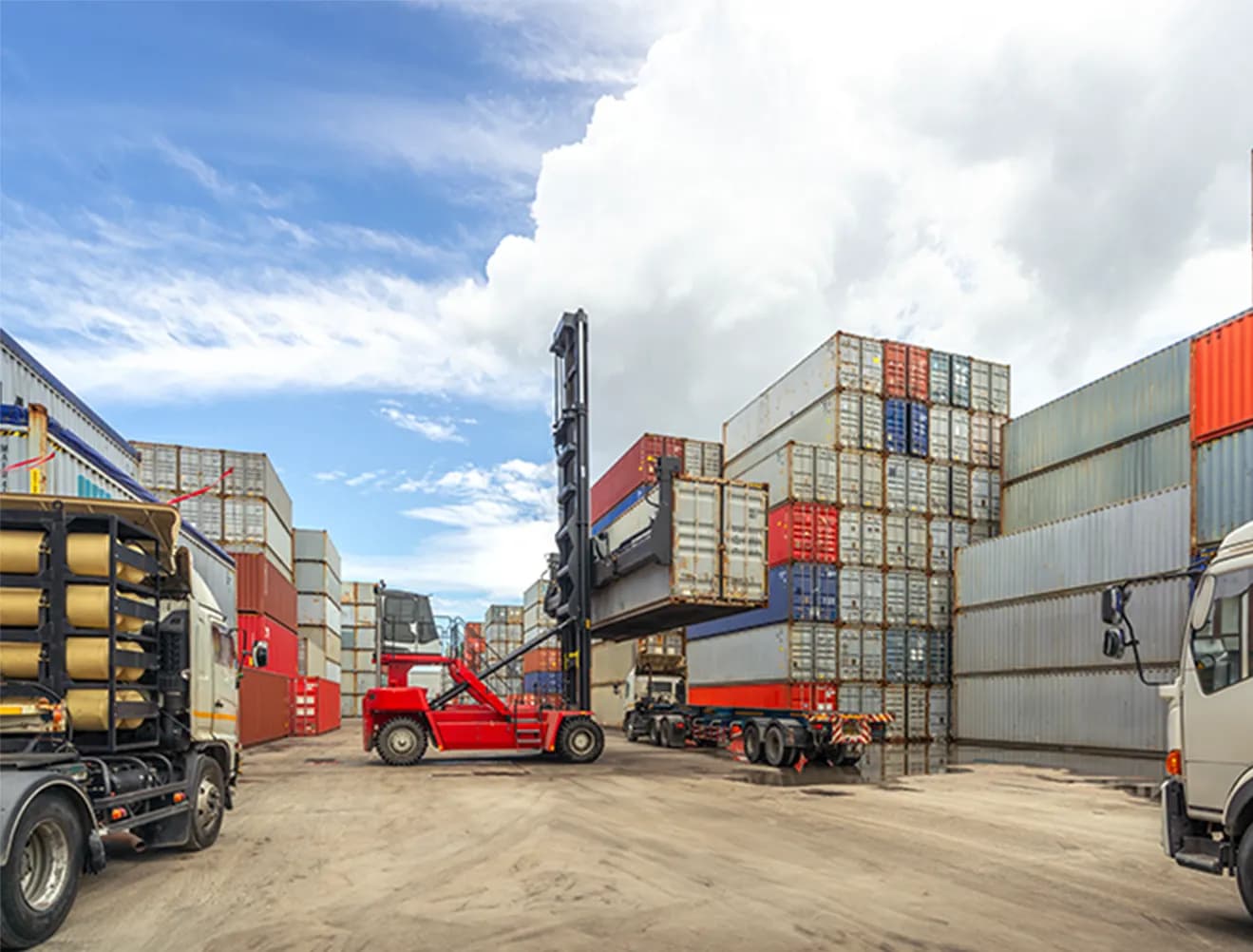
Environmental Monitoring for Storage Areas
Many goods stored at seaports are sensitive to fluctuations in temperature, humidity, and surrounding environmental conditions. Continuous environmental monitoring helps operators maintain suitable storage conditions, identify changing weather patterns early, and take timely action to reduce the risk of product deterioration and unnecessary losses.
Protect Sensitive Cargo from Changing Conditions
Continuously Monitor Temperature and Humidity
Respond Before Environmental Conditions Impact Storage
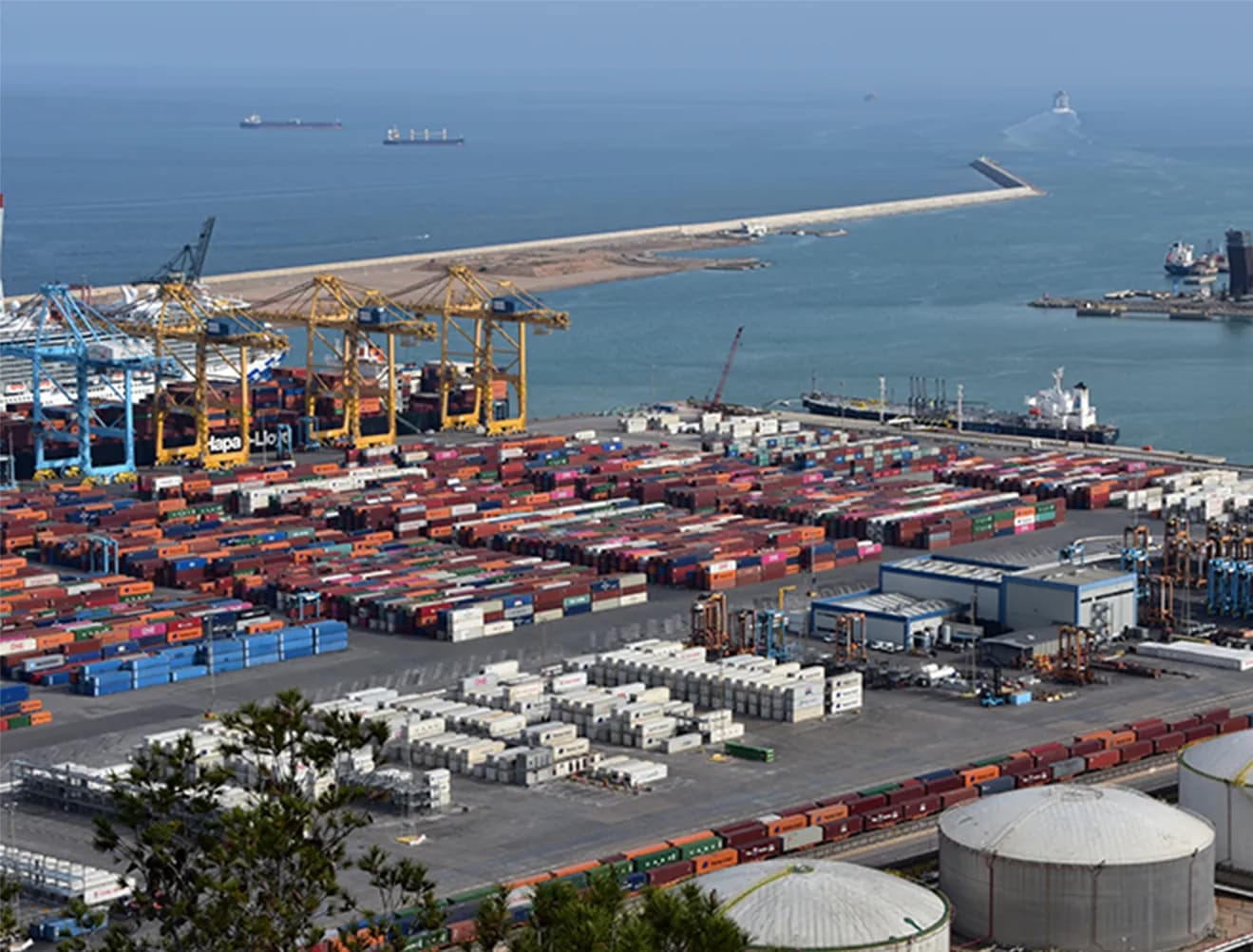
Weather Intelligence for Safer Port Operations
Changing weather conditions can affect vessel movements, cargo handling, worker safety, and overall port efficiency. Continuous monitoring of meteorological parameters enables port authorities to anticipate adverse conditions, improve operational planning, and respond proactively to storms, strong winds, or other weather-related disruptions through automated alerts and historical trend analysis.
Monitor Changing Weather Conditions
Receive Timely Environmental Alerts
Improve Operational Preparedness
Why Seaport Operators Choose Oizom?
.webp&w=3840&q=75)
.svg)
Reliable Performance in Coastal Weather
Engineered for long-term deployment in demanding marine environments.
(1).svg)
Uninterrupted Environmental Records
Built-in data storage prevents information loss during temporary network failures.
.svg)
Accurate Measurements in High Humidity
Heated inlet technology improves particulate monitoring accuracy in moisture-rich conditions.
Product Range
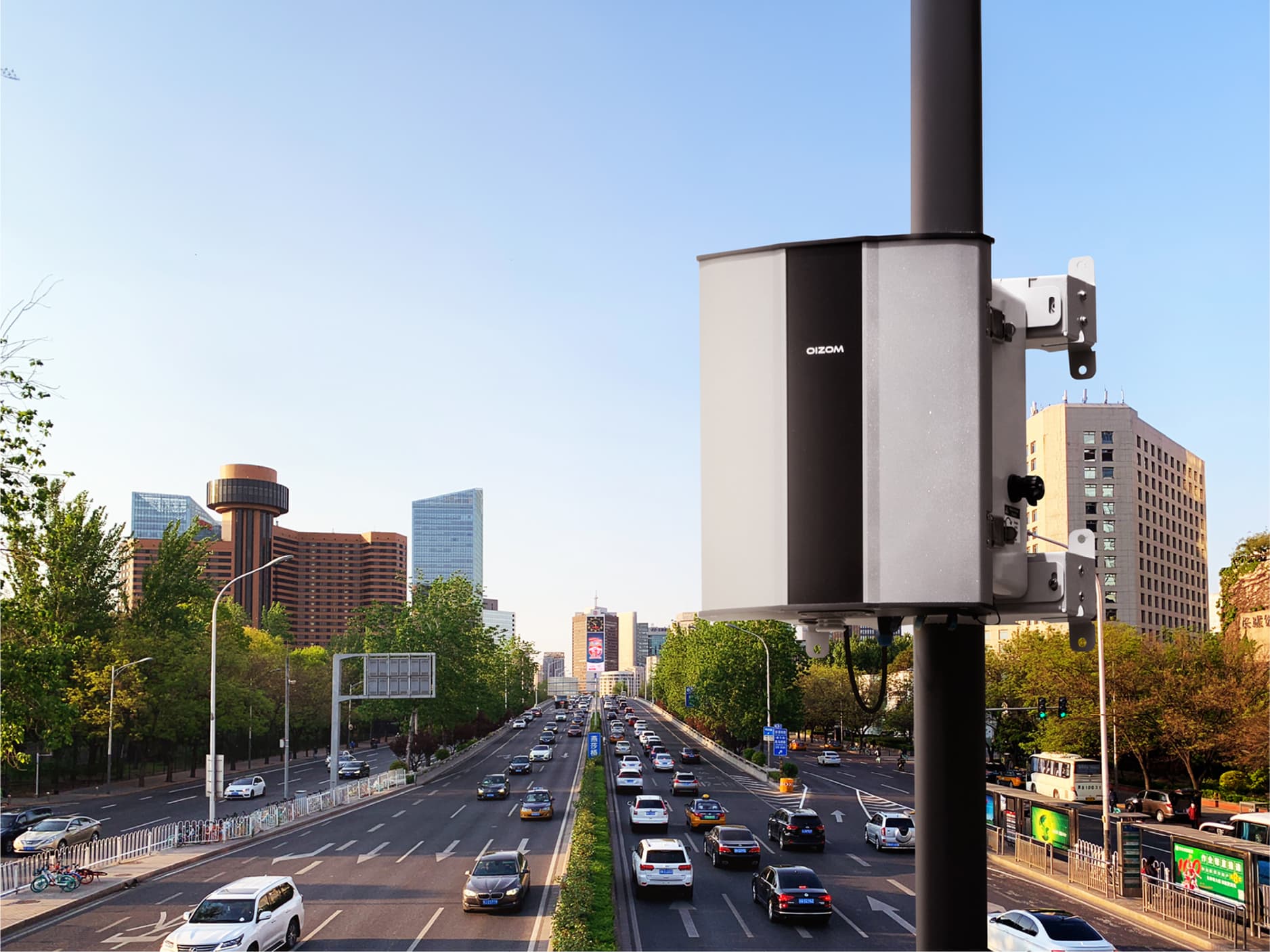


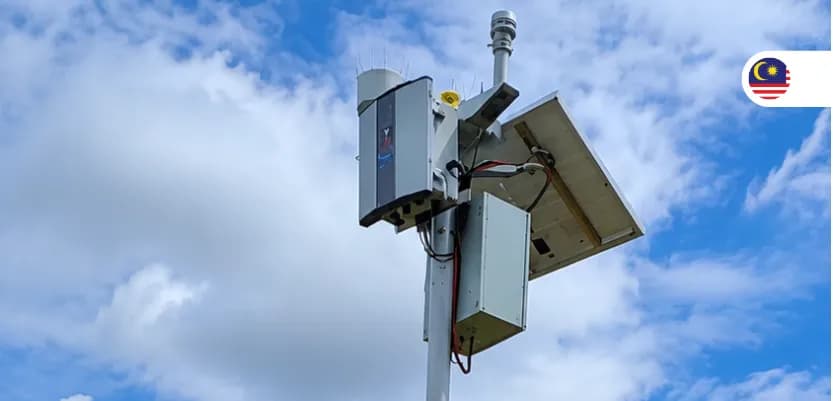

.jpg&w=1920&q=75)
Think We Can Help You?