Air quality is a complex, multi-faceted topic with many nuances. Air is dynamic. That means it moves continuously. And it carries its pollutants wherever it goes. So, it becomes quite difficult when it comes to monitoring the air quality of a particular region.
“Air pollution can travel long distances across national borders over time scales of 4-6 days, thereby affecting people far away from its original source.” – As per a report by the WHO.
EPA defines three broad objectives for ambient air monitoring:
- To provide air pollution data to the general public in a timely manner
- To determine compliance with National Ambient Air Quality Standards (NAAQS) and emissions strategy development
- To support air pollution research
All these objectives can be achieved if data acquired from the Air Quality Monitor Systems (AQMS) is complete and adequate. To achieve this, one of the main factors to count in is location selection for these monitors.
Seems irrelevant, right?
Actually no. Turns out selecting the perfect locations for AQMS is crucial for enhancing the air quality sensor’s accuracy. The purpose of the AQMS site selection process is to gather data that would help in making informed decisions for deploying air quality monitors. For instance, wind introduces irregular distribution in air quality data which hinders the useful data observation for air quality mapping. Hence, monitoring the air pollution is a strongly location-dependent activity. This data disparity arises two critical questions:
- Where should you install the AQMS?
- How many units should be deployed?
Answering the first question requires thorough research of the location before initiating the air quality sensor installation process which can have a great significance to the overall process of air pollution monitoring campaign.
The second question demands a more in-depth study of the location. It will involve exploring various parameters like local land-use type, emission source, electricity connections, installation requirements of the equipment, and aim of the study. The air quality monitoring network can be established based on these factors. Through this network of AQMS, it is possible to extract precise and detailed spatial variability information of air pollution in the city.
We can not bridge the environmental data gap simply by installing an increasing number of sensors. The number of AAQMS also has an impact on the overall cost and data volume to process.
Now coming to the bigger question,
What Impact does the Location Selection have on Air Quality Monitoring System’s Accuracy?
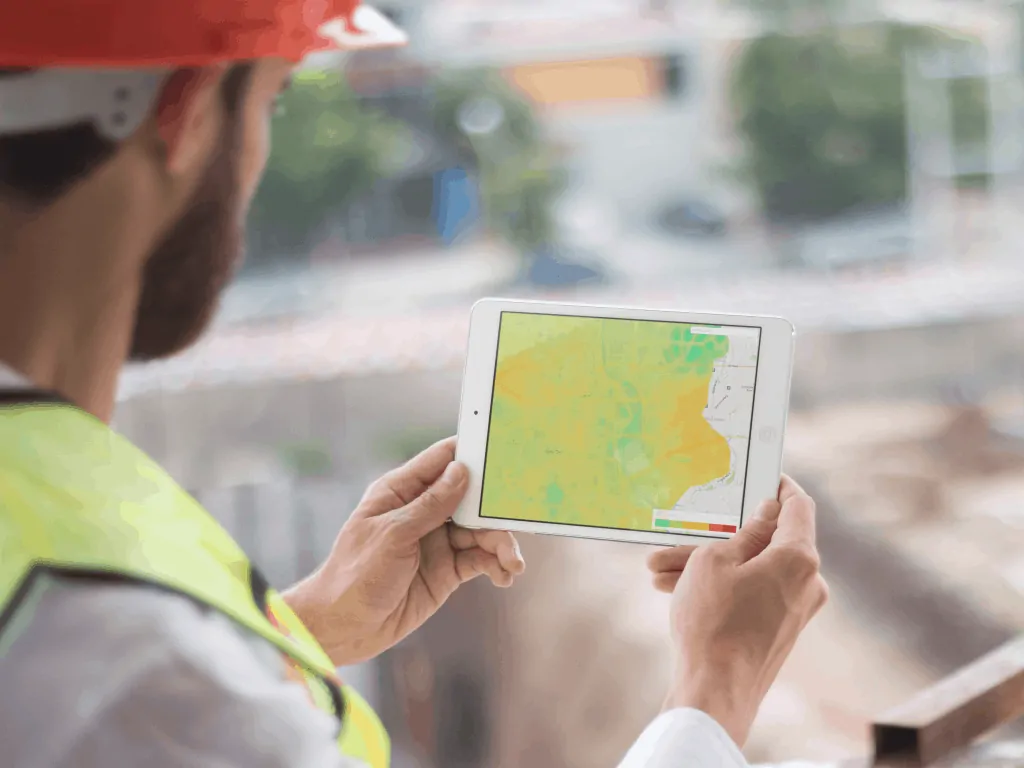
Let’s have a look at some of the sensor-related factors and how the sensor location affects them:
Data Relevance
One of the most important criteria while choosing any AQMS is its data relevance and accuracy. But no AQMS can ensure 100% accurate data until they are not located where they need to be to capture correct data. As discussed, many pollutants have high spatial variability; that is, their concentration varies over long and even shorter distances. Pollutant concentration is highest near the source and fades as the distance increases.
Wind plays a significant role in dispersing the pollutant concentration over a wide area from its source, making it difficult to monitor the air pollution precisely. See how Oizom tackles this problem with its in-built Weather Station to account for wind speed and direction. Vicinity temperature and humidity affect the functioning of electrochemical sensors.
In the case of multiple pollution sources, the concentration pattern may be similar but still changes from location to location. Hence, optimizing the air quality sensor location contributes to obtaining relevant data and reduce redundancy.
Data Completeness
Any air quality monitoring campaign is futile if it cannot produce complete data. Incomplete data can obstruct analysis and drawing a conclusion out of it for its corresponding application. EPA’s guidance for regulatory data mandates at least 75% data completeness over the defined period.
If the AQMS units are deployed without location study, it may be possible that the air quality monitoring sensors are situated far from the emission source, so that the data generated makes no sense for analyzing the pollution level of that region. Monitoring can also be hindered by tall buildings and other such obstacles, local sources, etc. AQMS, thus, demands to be installed at a position facing minimum obstructions for data collection.
Data Averaging
Data averaging is the process of getting an average or aggregate of AQMS data. It helps in data comparison with other equipment, setting environmental standards, and health-related benchmarks. Accuracy of the AAQMS is crucial because only then the gathered environmental data can be applied to multiple such applications. It mandates collecting environment data from suitable locations; otherwise, the whole data set would be flawed and will present an incorrect picture of the pollution scenario.
Air quality Sensor Durability
The sensor location also depends on the equipment’s durability or vice-versa. If the AQMS is not durable enough to withstand extreme weather conditions (like high winds, high dust concentration, heavy rains, extreme heat or cold), then it cannot be installed at such locations even if it has high data accuracy. The AQMS team must, in such cases, examine the conditions properly before committing to the users.
Sensor Calibration
Sensor base air quality monitoring devices need periodic calibration to reset the measurement parameters which have deviated from their actual performance. These deviations may be due to sensor drift or cross-sensitivity. Usually, there’s a standard calibration frequency for air quality monitors.
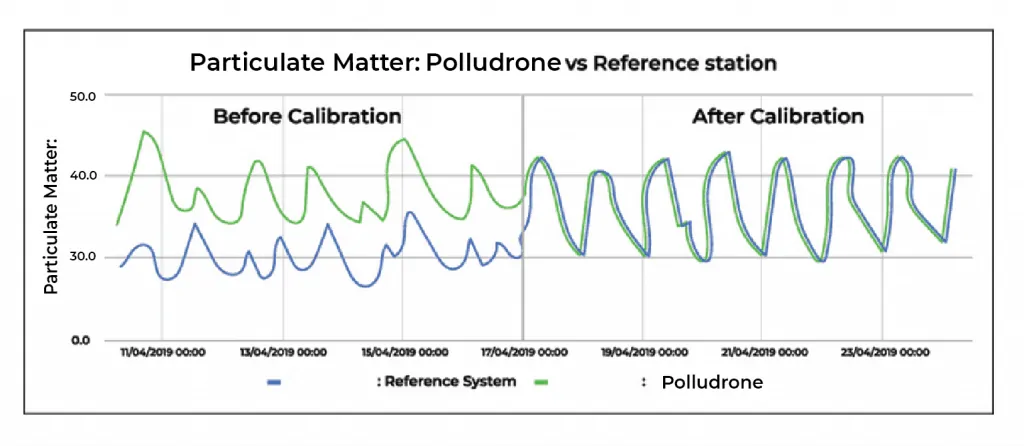
But in a highly polluted area, particularly in a high particulate concentration area, frequent dust deposition may force to increase the calibration frequency or calibrate the sensors before the defined calibration period. Also, the sensors come with an established lifetime but it may vary with the pollution concentration of the area. For a high pollution zone, the sensors tend to degrade rapidly, and consequently, the accuracy degrades with time, irrespective of the calibration frequency.
Know more about air quality monitoring for residential areas and ensures a healthier environment for communities alike.
How to Choose the Perfect Location for AQMS?
There are multiple criteria to consider before choosing an optimum monitoring location for ambient air quality monitors. It demands detailed attention to various factors like:
Location which yields relevant data
This, as we have already discussed, is the most important criterion while choosing an air monitoring site. This aspect will cover all the technical requirements like
- Monitoring Scale – Evaluating the monitoring scale requires a few questions to be asked like – What is the area covered? How many sensors are required? What type of sensors will be needed? This will give a clear idea of the actual campaign logistics and cost.
- Sensor Distribution – For city-wide environmental monitoring, it is important that the sensors are deployed strategically to cover all the geographic locations like green parks, industrial areas, major traffic routes, residential areas, etc.
- Sensor Height – Sensor height plays a crucial role in collecting relevant data. If it is installed at ground level (breathing zone), then it may give data on the impact on human health. However, actual air quality information is at a higher level. So, sensors need to be installed at least at a height of 12-15 ft for capturing correct environment data.
- Target Pollutants – Choosing a precise sensor location will heavily depend on the target pollutants, the primary sources, and the area with the highest concentration. Based on that, the sensor locations in that area can be decided.
- Communication Protocols – Prior to sensor installation, it’s important to look at the communication facilities available at the site for data transfer or that can be implemented given the site condition.
- Geographic Obstructions – Nearby structures and terrains like tall buildings, towers, hills, etc. may obstruct the monitoring and give falsified data. So, the sensor has to be installed away from these obstructions, in an open area.
Security
The overall security of the monitoring site, including equipment is essential to keep data intact.
- Proper fencing of the site to prevent device theft or vandalism
- Limited access to the site and the device to avoid data intervention
Cost
The most cost-effective option(s) that meet the monitoring objective(s) should be identified.
- Power Availability – Operators should consider the cost and time frame associated with installing power in locations where not already available.
- Logistics should be taken into consideration while calculating cost.
There is no perfect air monitoring site. Some compromises have to be made for any environmental study within any region. It’s the question of prioritizing one factor over the other and balancing benefits with risks and costs. For environmental or pollution mapping of the entire city, few carefully chosen locations with a defined number of sensors in the network can fit the purpose of the study.
For understanding general air quality conditions in support of public health, monitoring stations should be located in highly populated areas. Monitors situated in residential areas may be more representative of average exposure across a geographic area, compared to monitors located next to industry or traffic. To manage air quality, additional monitoring sites in strategic locations can help to understand the local or regional nature of air pollution sources.
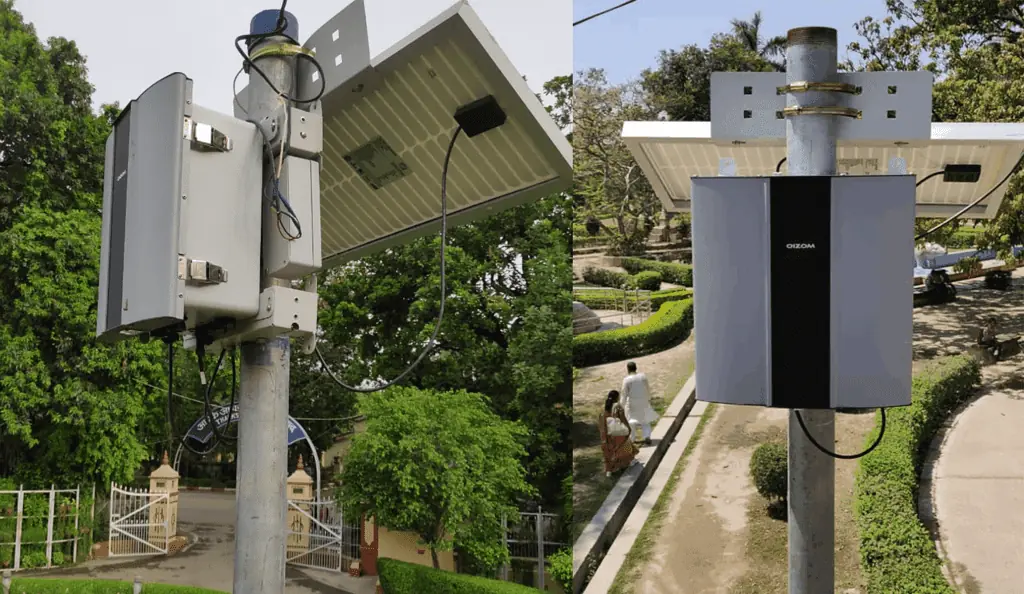
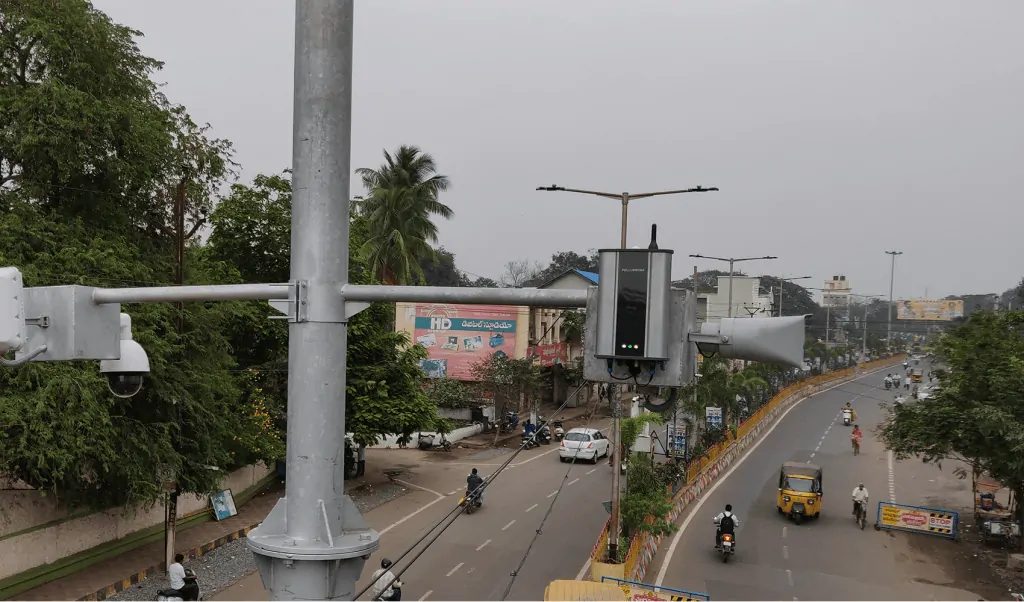
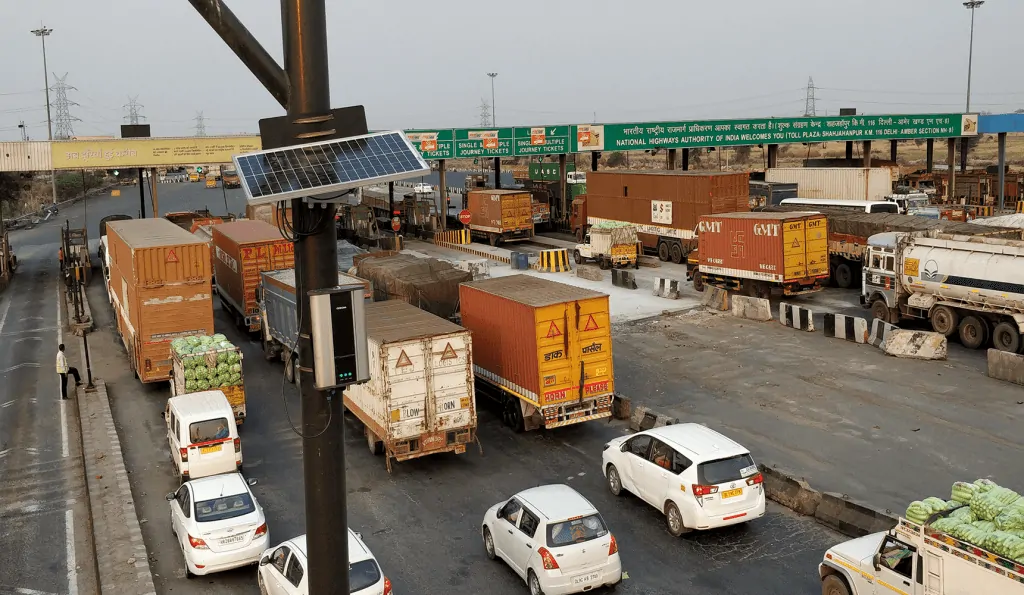 Polludrone installed at different geographic areas and strategic locations for better understanding of local or regional pollution source
Hence, the systematic and strategic deployment of low-cost air quality sensors for air quality monitoring can be useful for air quality data collection.
Get in touch with an Oizom representative here.
.be0dea41.svg)




.webp&w=1920&q=75)
.webp&w=1920&q=75)