Lab Calibration
Definition
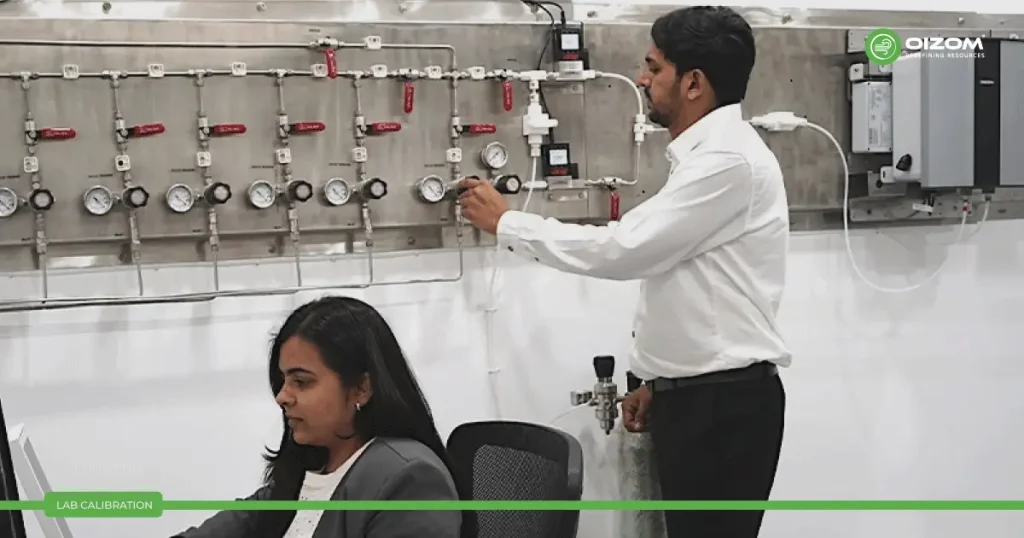
Laboratory calibration is a process in which air quality monitoring sensors are tested and adjusted in a controlled and well-characterized laboratory environment to ensure their accuracy and reliability in measuring specific air quality parameters. This procedure typically involves exposing the sensors to known concentrations of target pollutants, varying environmental conditions (such as temperature and humidity), and potential interferents to assess their response and performance. Any discrepancies between the sensor’s measurements and the known values are used to make necessary corrections or calibrations, thus ensuring that the sensors provide accurate and trustworthy data when deployed for real-world air quality monitoring.
Definition and Description
Laboratory calibration is a process in which air quality monitoring sensors are tested and adjusted in a controlled and well-characterized laboratory environment to ensure their accuracy and reliability in measuring specific air quality parameters. This procedure typically involves exposing the sensors to known concentrations of target pollutants, varying environmental conditions (such as temperature and humidity), and potential interferents to assess their response and performance. Any discrepancies between the sensor’s measurements and the known values are used to make necessary corrections or calibrations, thus ensuring that the sensors provide accurate and trustworthy data when deployed for real-world air quality monitoring.



.webp&w=1920&q=75)